NFL’s Kickoff Rule Change Creates Chaos — And We’re All Here For It

Remember when NFL kickoffs were about as exciting as watching paint dry in overtime? Well, buckle up, buttercup, because Week 1 just proved the league’s latest rule tweak has more juice than a Patriots scandal.
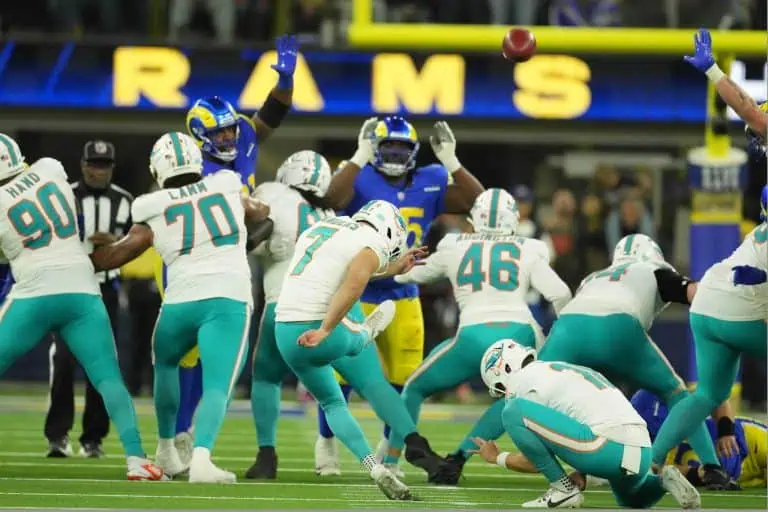
The numbers don’t lie, and they’re telling one heck of a story. Teams returned a whopping 75.6% of kickoffs in the season opener — the highest rate we’ve seen since 2010, when gas was under three bucks and everyone thought the Saints were clean. That’s not just a statistical bump; that’s a full-blown resurrection of one of football’s most maligned plays.
The Great Kickoff Revival Nobody Saw Coming
Let’s paint the picture here. For years, NFL kickoffs had become the equivalent of a commercial break with shoulder pads. Teams would boot the ball into the end zone, returners would take a knee, and fans would grab another beer while nothing happened. The return rate had plummeted to a pathetic 21.8% in 2023 — basically making the play as relevant as a backup quarterback’s opinion on starter drama.
But this year’s rule change moved touchbacks from the 30-yard line to the 35, creating what NFL executives hoped would be a sweet spot. They projected return rates would climb somewhere between 60% and 70%. Well, Week 1 just made those projections look as conservative as a punt on third down.
Why Teams Are Actually Kicking It Back
The beauty of this rule change isn’t just in the numbers — it’s in the psychology. Kickers now face a genuine dilemma that would make even Bill Belichick’s hoodie wrinkle with concern. Boot it deep for a touchback, and you’re handing the opposing offense the ball at the 35-yard line, which is prime real estate in today’s NFL. Kick it short, and you’re inviting chaos with a capital C.
Tennessee’s Chimere Dike provided the perfect example of why this matters. His 71-yard return against Denver didn’t just flip field position; it set up three points that could’ve been the difference in a tight game. That is the kind of momentum swing that makes coaches lose sleep and fans spill nachos.
The Human Drama Behind the Stats
What makes this transformation even more compelling is the human element. These aren’t just numbers on a spreadsheet — they’re real moments that can change games, seasons, and careers. Seven returns went for at least 40 yards in Week 1 alone. That’s more long returns than we typically see in an entire month of regular season action.
The average field position after a kickoff return landed at the 29.5-yard line, compared to 29 yards for all of last season. Sure, it’s just half a yard, but in a league where games are decided by inches and coaching careers hang on fourth-down decisions, every yard matters more than a rookie’s first paycheck.
The Safety Dance Nobody’s Talking About
Here is where things get interesting from a league perspective. The NFL didn’t just stumble into this rule change — they orchestrated it with the precision of a Tom Brady two-minute drill. The dynamic kickoff format, which places coverage players and blockers closer together, has already proven its worth in the safety department. Concussion rates on returns dropped 43% last season, with significant reductions in lower-body injuries as well.
This isn’t just about entertainment value; it’s about protecting players while maintaining the excitement that makes the NFL America’s favorite obsession. The NFL managed to thread the needle between safety and spectacle, creating a scenario where everyone wins — except maybe the kickers who now have to actually think about their strategy.
What This Means For Your Sunday Viewing
For fans settling in for their weekly football marathon, this rule change represents something special: genuine unpredictability in a sport that had been trending toward predictable outcomes. Every kickoff now carries the potential for explosive plays, momentum shifts, and highlight-reel moments that’ll have you jumping off your couch.
The strategic implications are equally fascinating. Special teams coordinators, long relegated to the background, suddenly find themselves in the spotlight. Coverage units that were essentially going through the motions now need to prepare for legitimate return attempts. It is like the chess match within the chess match just got a whole lot more interesting.
The Numbers Game That Changed Everything
Let’s break down what really happened in Week 1. Only 18.6% of kickoffs resulted in touchbacks, a massive drop from the 64.5% we saw in the same week last season. Teams aren’t just returning more kicks; they’re actively choosing to return kicks they might have kneelt on in previous years.
This shift represents more than statistical noise — it’s a fundamental change in how teams approach one of football’s most basic plays. When Dike housed that 71-yarder, he wasn’t just making a play; he was proving that the NFL’s gamble on making kickoffs matter again has paid off in spectacular fashion.
The NFL’s prediction that return rates would hit 60-70% wasn’t just conservative — it was downright pessimistic. Week 1’s 75.6% return rate suggests we might be looking at a sustained change that could redefine how teams approach special teams strategy for years to come.