
Is the Rooney Rule Broken? The NFL’s Latest Coaching Cycle Sparks Major Review

The final whistle has blown on the NFL’s latest coaching carousel, and the stat sheet is turning heads for all the wrong reasons. Out of ten head-coaching vacancies filled this offseason, only one went to a minority candidate. Zero went to Black candidates.
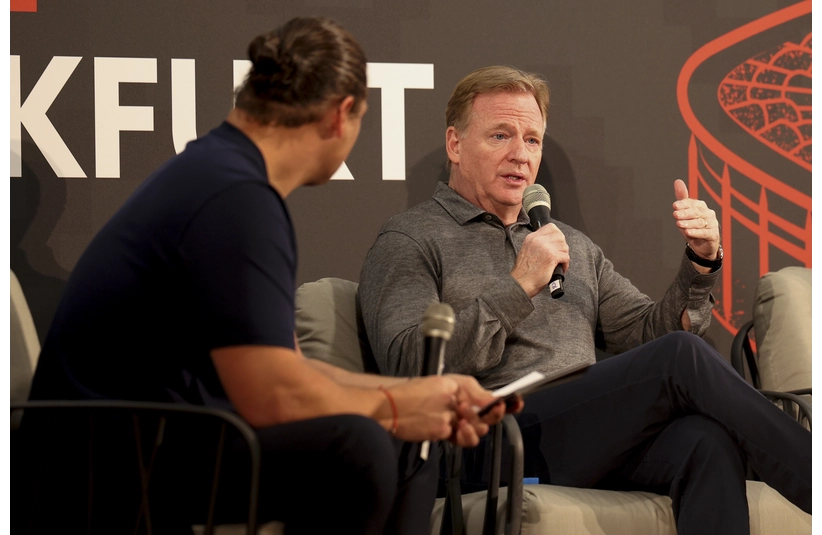
It’s a stark reality check that played out right in the middle of Super Bowl week in San Jose. During his annual “State of the League” address on February 2, 2026, Commissioner Roger Goodell didn’t dodge the numbers. Instead, he signaled a potential overhaul, announcing that the league will “reevaluate everything we’re doing,” including the landmark Rooney Rule and the accelerator program designed to boost minority hiring.
For fans, players, and analysts alike, this raises a massive question: Is the current playbook for diversity in the NFL failing? Let’s break down the game tape on what happened, why the league is scrambling for answers, and what this means for the future of the sidelines.
The Scoreboard: One out of Ten
Numbers don’t lie, and this year’s hiring stats are tough to ignore. Ten teams were in the market for a new skipper to lead their franchise. When the dust settled, nine of those jobs went to white candidates.
This result stands in sharp contrast to the league’s stated goals over the last two decades. The NFL has implemented various initiatives—mentorships, data reporting, networking events aimed at widening the pipeline for diverse talent. Yet, despite these efforts, the conversion rate from “candidate” to “head coach” remains stubbornly low for minority coaches.
Goodell’s public acknowledgement of the issue wasn’t just a casual comment; it was a recognition that the current system isn’t producing the intended results. “We have to ask ourselves why this year looks the way it does,” Goodell noted, framing the upcoming review not as a defensive maneuver, but as a necessary audit of a struggling strategy.
A Quick History of the Rooney Rule
To understand the current frustration, you have to look at the rulebook. Adopted in 2003, the Rooney Rule was a game-changer. Named after the late Pittsburgh Steelers owner Dan Rooney, the policy originally required teams to interview at least one minority candidate for head coaching vacancies.
Over time, the rule expanded. It now covers general manager jobs and front-office positions. The league even layered on the “accelerator program,” designed to give up-and-coming minority coaches face time with team owners outside of the high-pressure interview process.
The intent was clear: force decision-makers to look beyond their usual networks and consider a broader talent pool. And to be fair, it has opened doors. Minority candidates are getting into the room. They are getting the interviews. But getting the headset? That’s where the play seems to break down. Critics have long argued that without stronger enforcement or tangible incentives, some interviews have become “check-the-box” exercises rather than genuine opportunities.
What’s Under the Microscope?
So, what exactly is the league going to look at? Based on Goodell’s comments, nothing is off the table.
The Accelerator Program
The accelerator program was supposed to be the bridge between talent and ownership. The idea was simple: if owners (who make the final hiring calls) actually know the candidates personally, they’ll be more comfortable hiring them. The league will likely investigate whether these networking sessions are actually building relationships or just serving as PR photo ops.
Policy Enforcement
Are the penalties for non-compliance tough enough? Are teams finding loopholes? The review could look at whether the current carrots and sticks are effectively motivating teams to prioritize diversity, or if they need to be adjusted to impact the bottom line or draft capital more directly.
The Interview Process
The league may also re-examine the mechanics of the interview process itself. This could involve standardizing interview questions, requiring blind resume reviews initially, or changing the timeline of hiring to ensure candidates on playoff teams aren’t disadvantaged.
The Impact on the Field
This isn’t just a front-office issue; it ripples down to the locker room and the fanbase. The NFL is a league where the majority of players are Black. When the leadership on the sidelines doesn’t reflect the makeup of the team, it creates a disconnect that players and the NFLPA (the players’ union) have frequently pointed out.
Short-term, expect the heat to stay on. Every hiring cycle from here on out will be scrutinized under a microscope. Media attention will focus heavily on which teams are interviewing whom, and more importantly, who actually lands the job.
Long-term, we could see a fundamental shift in how NFL franchises operate. If the league decides to tighten the screws, we might see radical changes—perhaps involving draft pick compensation for hiring diverse candidates (which has been tried in limited forms) or stricter penalties for teams that show a pattern of ignoring diverse talent.
What’s Next for the League?
The ball is now in the NFL’s court. The “reevaluation” Goodell promised needs to turn into a concrete game plan. The league office, team owners, and the players’ union will likely be in intense discussions over the coming months.
The 2026 hiring cycle may go down as a wake-up call—a statistically disappointing season for diversity that forced the league to scrap its current game plan and draw up something new. Whether that new strategy leads to touchdowns or another fumble remains to be seen.
One thing is certain: the world is watching. The NFL has acknowledged the problem on its biggest stage. Now, they have to fix it.
