
Thunder Carry Momentum and Questions Into a Pivotal Western Conference Finals

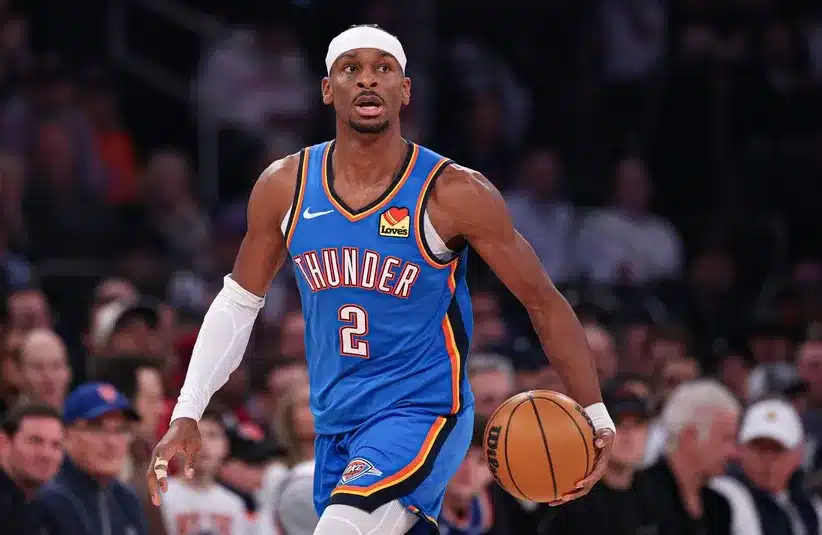
Oklahoma City’s Thunder arrived at this moment the hard way — not as a headline-grabbing favorite from Day 1, but as a team that earned every inch of respect it now commands. The narrative has shifted from “project” to “problem” for opponents, yet the stakes of the Western Conference Finals have exposed the thin line between confidence and complacency. For a franchise that has been favored in playoff games for 33 straight contests, the sudden wobble in the betting market feels less like a collapse and more like a reminder: the postseason is a different animal.
Thunder’s Season of Quiet Acceleration
This Thunder group never relied on flash to make its case. It built credibility through defense, smart roster construction, and the steady ascension of its leader. Shai Gilgeous‑Alexander has been the steadying force, but the team’s identity is collective — rotations that rotate, role players who accept small sacrifices, and a front office that prioritized fit over headline talent.

That approach translated into a remarkable run of being favored in playoff games, a streak that stretched to 33 games and put Oklahoma City in rare company historically. The streak’s end — being listed as underdogs entering a key game — is less a judgment on the team’s quality and more a reflection of matchup dynamics and the razor‑thin margins of playoff betting lines.
Matchup Realities: Why Lines Tightened Against the Spurs
The Spurs present a unique challenge. Victor Wembanyama’s presence changes spacing, rim protection, and the way possessions are contested. San Antonio’s size and length force the Thunder to pick their spots and rely on discipline rather than pure athleticism. Oddsmakers reacted to those matchup frictions, nudging lines and reminding bettors that even the most consistent teams can be vulnerable when styles collide.
But the Thunder’s response has been pragmatic. They’ve leaned into switching schemes, used Gilgeous‑Alexander’s craft to probe defenses, and relied on Chet Holmgren’s rim deterrence to counter Wembanyama’s interior gravity. The series is a chess match where small adjustments matter more than big proclamations.
Leadership Under Pressure
What separates contenders from pretenders in May is how they handle pressure. The Thunder’s leadership — on and off the court — has shown a calm that feels earned rather than rehearsed. Gilgeous‑Alexander’s game is not about highlight reels; it’s about control. He manages tempo, draws help, and makes the right pass when the moment demands it. That steadiness has a ripple effect: teammates play looser, coaches can be bolder, and the bench believes it can change the tone of a quarter.
There’s also a human element here. These players are young enough to still feel the thrill of the moment and old enough to understand its consequences. That blend produces a kind of competitive hunger that’s visible in the way they close out possessions and in the quiet intensity of their timeouts.
Depth and Adaptability Are the Thunder’s Currency
Beyond the stars, the Thunder’s depth has been a decisive factor. Role players who once felt like placeholders have become matchup answers. The bench has supplied scoring bursts and defensive energy at critical junctures. That adaptability — the ability to switch lineups without losing identity — is what turns a good regular‑season team into a dangerous playoff one.
When injuries or foul trouble hit, Oklahoma City has shown it can absorb the shock. That resilience is not accidental; it’s the product of a roster built to withstand attrition and a coaching staff that trusts its pieces.
The Emotional Undercurrent
There’s an emotional texture to this run that’s easy to miss if you only watch box scores. These players grew up watching the Thunder’s past glories and the franchise’s recent rebuild. For many, this postseason is personal — a chance to validate years of work and to stake a claim on the franchise’s future. That hunger shows up in late‑game plays, in the way teammates celebrate small victories, and in the quiet focus before tipoff. Being underdogs for the first time in 33 playoff games might sting on paper, but in the locker room, it reads like motivation. The Thunder know how to use doubt as fuel.
What Comes Next
The series is far from decided. Lines will continue to move, narratives will shift, and every possession will feel magnified. For Oklahoma City, the task is simple in theory and brutal in practice: keep doing the things that got them here. If the Thunder can sustain their collective identity under the brightest lights, they won’t just be a story about a streak ending. They’ll be a team that turned skepticism into momentum and expectation into opportunity.
