
Jayson Tatum Practiced For Boston Celtics On Monday

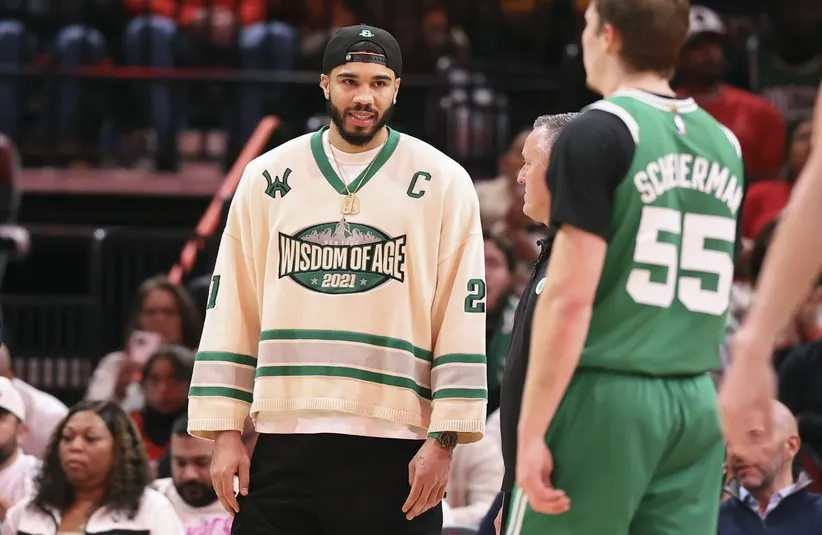
Jayson Tatum spent Monday doing something the Celtics have been waiting nearly a year to witness again: he practiced. Not a light shooting session, not a controlled workout with trainers, but a real, structured practice with the Maine Celtics that marked one of the clearest signs yet that Boston’s franchise star is inching toward a return. For a team built around his two‑way brilliance, Monday carried weight far beyond a routine rehab update.
Tatum’s Practice Marks a Real Turning Point
The Celtics assigned Tatum to their G League affiliate so he could participate in a full team practice at the Auerbach Center. Afterward, he was immediately recalled to the NBA roster. This move underscored how carefully the organization is managing every step of his recovery from the torn Achilles tendon he suffered during last year’s Eastern Conference semifinals.
This wasn’t a cameo. This was Tatum moving, cutting, absorbing contact, and testing his body in a competitive environment for the first time in months. Boston has kept him on a deliberate progression—individual work, controlled scrimmages with coaches, and now a structured practice with real pace and real defensive pressure. Monday represented the most demanding stage of that progression so far.
The Celtics have been adamant that they won’t rush Tatum, but they’ve also made it clear that if he hits the benchmarks the medical staff sets, they won’t hold him back. Monday’s session checked one of those boxes.
Why Monday Mattered For Tatum and the Celtics
Achilles injuries are unpredictable, and the Celtics know it. But getting Tatum into a team practice is the kind of milestone that typically comes only when a player is nearing the final phase of rehab. It’s the moment when the conversation shifts from “if” to “when.”
Boston has stayed near the top of the Eastern Conference without him, but the ceiling changes the moment Tatum steps back on the floor. His scoring, his playmaking, and his ability to tilt defenses are the traits that turn a contender into a favorite. Monday didn’t guarantee a return date, but it did confirm that the Celtics’ long‑term plan is working.
Before the injury, Tatum was coming off one of the best seasons of his career, averaging over 26 points per game and anchoring one of the league’s most efficient offenses. Losing him in the playoffs derailed Boston’s title hopes. Getting him back, even late in the season, would reshape the Eastern Conference landscape.
What Comes Next For Tatum
The Celtics haven’t offered a timetable, and they’re not expected to. Achilles recoveries demand patience, and Boston has the depth to avoid forcing anything. But Monday’s practice wasn’t symbolic. It was a checkpoint.
Tatum has said throughout the season that he wouldn’t rule out returning, but he’s also emphasized the importance of getting the rehab right. Monday fit that mindset perfectly: competitive enough to test his progress, controlled enough to avoid unnecessary risk.
If he continues to trend upward, the next steps would likely include more full practices, an increased workload, and eventually clearance for full five-on-five action. The Celtics won’t rush it, but they also won’t ignore the momentum he’s building.
