
Pistons Season Ends in a Gut‑Punch, but Bickerstaff Refuses to Call It a Failure

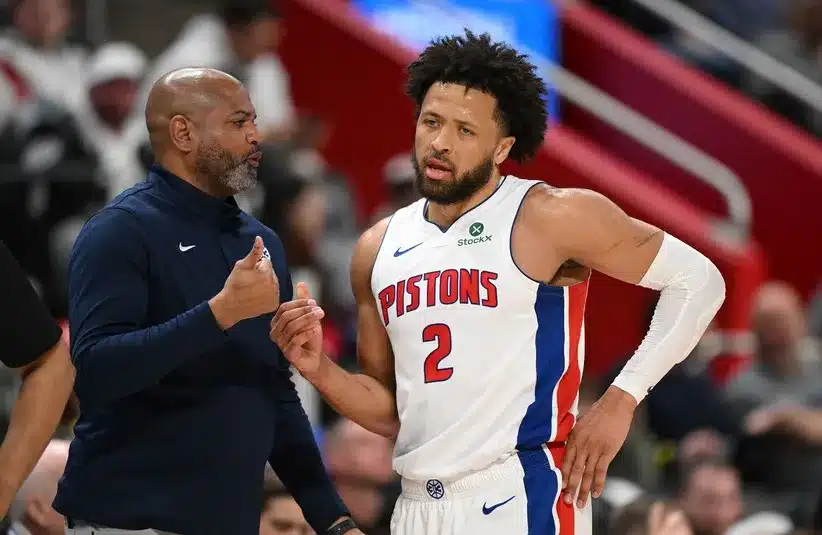
The Pistons walked into Little Caesars Arena on Sunday; believing their season still had one more chapter left to write. Instead, they were handed a 31‑point loss that felt like a door slamming shut. The Cavaliers didn’t just win Game 7—they ripped it away early, building a double‑digit lead in the first quarter and never letting Detroit breathe again.
By the time Cade Cunningham was subbed out with nearly six minutes left, fans were already filing toward the exits. Cunningham hugged J.B. Bickerstaff, teammates patted him on the back, and the building felt heavy—like everyone knew this wasn’t how a 60‑win team was supposed to go out.
Cunningham’s Frustration Mirrors the City’s
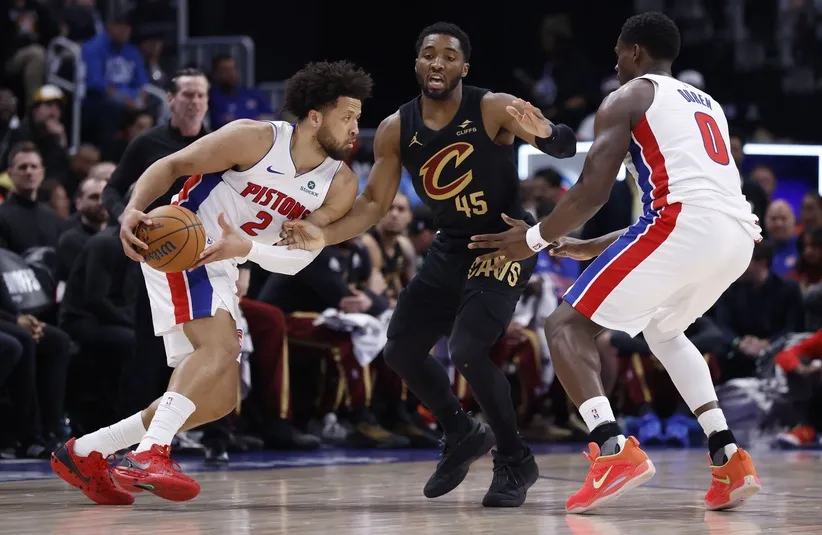
Cunningham didn’t sugarcoat it afterward. He called the performance what it was: awful. A night that “sucked.” A night that reminded him of last year’s home‑court heartbreak. He shot 5‑for‑16, missed all seven of his threes, and never found the rhythm that carried Detroit through the regular season. But what stood out wasn’t the stat line—it was the emotion. Cunningham looked like a player who felt he let a city down. Detroit has waited years for a team worth believing in again, and this group finally gave them that. That’s why this loss stung deeper than most.
Bickerstaff’s Message: Pain Doesn’t Equal Failure
If anyone expected Bickerstaff to bury his team after a blowout elimination, they don’t know him. He didn’t flinch. He didn’t waver. He didn’t even entertain the idea that this season was a disappointment. “It’s not a disappointment at all,” he said. “These guys gave us everything they had.”
That wasn’t coach‑speak. It was conviction. And it echoed what he told Bleacher Report earlier in the postseason—that this group had already exceeded expectations, already built something real, already proven they belonged in the league’s top tier. Detroit wasn’t supposed to be a No. 1 seed this soon. They weren’t supposed to win four straight elimination games. They weren’t supposed to push a veteran Cavaliers team to the brink. But they did all of it.
A Team That Grew Up Fast
The Pistons didn’t lose because they quit. They lost because they ran into a Cleveland team that played its best basketball at the worst possible time for Detroit. The Cavs were sharper, more physical, and more poised. Sometimes Game 7s are about talent. Sometimes they’re about experience. This one was about both.
Detroit’s offense sputtered, scoring just 34 points in the paint—tied for their lowest total all season. Their defense couldn’t slow Cleveland’s ball movement. And once the Cavs built a 17‑point halftime lead, the Pistons were stuck chasing shadows. Ausar Thompson, who struggled offensively, said the loss felt “personal.” He repeated it twice. He wants to remember this feeling because he never wants to feel it again. That’s the kind of quote that sticks with a young team heading into an offseason.
Why This Still Feels Like the Beginning, Not the End
The Pistons didn’t collapse this season—they arrived. They established an identity built on toughness, defense, and unselfish basketball. They won 60 games. They earned the No. 1 seed. They made Detroit care again. And that matters. This team didn’t stumble into success. They built it. Brick by brick. Possession by possession. And while Game 7 will leave a scar, scars are part of growth.
What Comes Next
But the foundation is solid. The locker room is united. And Bickerstaff’s belief in his players is unwavering. The Pistons didn’t get the ending they wanted. But they got something just as important: a beginning worth believing in. Detroit basketball is back. And this time, it feels real.
