
NBA Conference Finals Off To a Historic Start As Both Games 1’s Go To Overtime

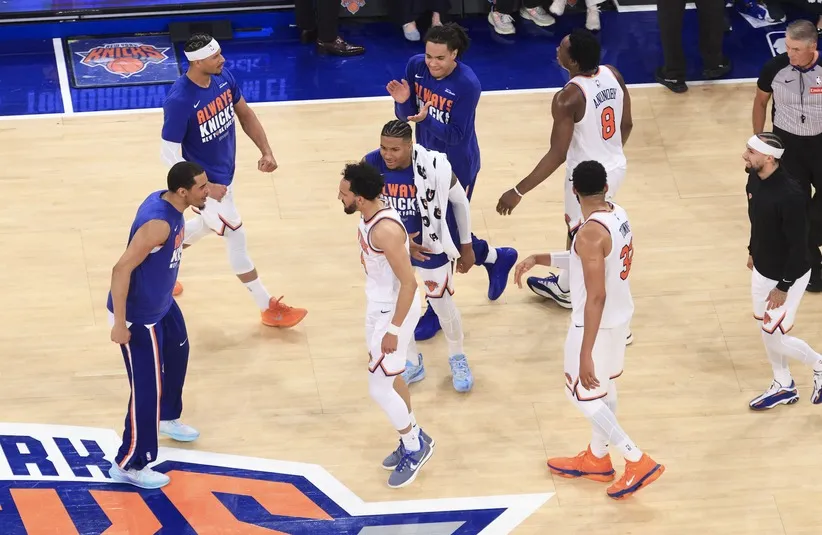
There is something cruel about overtime in the NBA Playoffs. One fan base spends 48 minutes thinking it has life figured out, then five extra minutes arrive like a tax audit with sneakers on.
That is the story of the 2026 conference finals so far. Overtime hasn’t just decided games; it has hijacked entire series narratives before Game 2 could even tip off. The Knicks erased a 22-point hole against Cleveland like somebody hit fast-forward on a sports movie montage, while Victor Wembanyama turned Oklahoma City’s roaring crowd into a library with one of the wildest playoff performances we’ve seen in years.
Overtime Turned Madison Square Garden Into Basketball Chaos
For three quarters, the Cleveland Cavaliers looked composed, deeper, sharper, and fully in control of Game 1. Then overtime happened, and the Knicks transformed into a basketball team that could do no wrong.
Jalen Brunson was magnificent again, pouring in 38 points while dragging New York back possession by possession. The comeback wasn’t elegant. It was sweaty, frantic, and occasionally looked like five guys trying to stop a subway door from closing.
The Cavaliers suddenly got tight late in the fourth quarter, and once the game reached overtime, the energy completely flipped. Madison Square Garden smelled blood. Every missed Cleveland jumper felt louder than the last. That is the nasty thing about overtime in the playoffs. Momentum becomes real. You can practically watch confidence leave one bench and sprint to the other side of the floor.
New York outscored Cleveland 18-7 after regulation. By the end, the Cavaliers looked stunned, while Knicks fans were treating Seventh Avenue like the city had just won another title. It was only Game 1, but emotionally? It felt like three games packed into one.
Victor Wembanyama Made Overtime Feel Unfair
Meanwhile, out West, Victor Wembanyama decided normal playoff basketball wasn’t entertaining enough. He dropped 41 points, grabbed 24 rebounds, hit clutch shots in overtime, and casually joined Wilt Chamberlain territory statistically. That sentence alone sounds fake.
The Thunder had multiple opportunities to steal Game 1. Oklahoma City controlled stretches of the game and looked ready to protect home court. Then overtime arrived, and Wembanyama started moving around the floor like somebody created a MyPlayer build without consulting reality.
One possession he blocks a shot. Next possession he buries a three. Then he dunks everything within reach like the rim insulted his family. That is what makes overtime terrifying against stars this good. Fatigue removes structure from games, and greatness starts improvising.
The Spurs also played with a looseness Oklahoma City couldn’t match late. Rookie Dylan Harper added huge moments defensively, and San Antonio kept surviving every Thunder punch until OKC finally ran out of answers. The scary part for the Thunder? Wembanyama still looks like he’s discovering new powers in real time.
Overtime Is Exposing Which Teams Trust Themselves
That’s the hidden story of these playoffs. Overtime isn’t just testing conditioning. It is exposing belief. The Knicks looked dead Tuesday night. Completely cooked. Yet they kept attacking. The Spurs walked into one of the loudest arenas in basketball and looked calmer once the pressure increased. Meanwhile, Cleveland and Oklahoma City tightened up exactly when freedom mattered most.
That is why overtime becomes psychological warfare in the postseason. Coaches stop coaching as much. Stars stop thinking. Role players either panic or become legends for a night. That is why fans love this stuff even when it nearly destroys their blood pressure. Deep down, everybody knows the truth: regulation tells you who played better. Overtime tells you who is fearless.
For More Great Content
Find Justin on X: https://x.com/jrimp803 and LinkedIn: https://www.linkedin.com/in/justin-rimpi-11502014a/
