
NBA Expansion Update: Is the 32-Team League Finally Happening


For basketball fans, the rumor mill regarding NBA expansion has been churning for what feels like a decade. It’s been a constant topic of sports radio debates, barbershop conversations, and Twitter threads. But this week, the noise turned into signal. Reports indicate that the NBA is finally ready to make a move, potentially changing the landscape of professional basketball forever.
The speculation is shifting toward a concrete timeline. The NBA Board of Governors is reportedly preparing to vote this summer on expanding the league to 32 teams. For two cities in particular—Seattle and Las Vegas—the long wait for a franchise might be nearing its buzzer-beater finish.
From Speculation to Action
This development follows years of public discussion about league growth. While NBA Commissioner Adam Silver has frequently fielded questions about adding teams, his answers often felt like a “wait and see” approach. However, recent months have seen a dramatic shift in tone regarding expansion.
Introductory conversations between league representatives and local officials in both target markets have reportedly graduated from exploratory talks to formal considerations. The momentum has accelerated significantly since December, when Silver publicly acknowledged the league’s interest in these specific markets. Now, insiders suggest the Board of Governors could formalize a vote as soon as their upcoming summer meetings.
This isn’t just about adding new jerseys to the rack; it’s a move that would reshape league economics, alter broadcast schedules, and expand the NBA‘s footprint in the Western United States.
The Frontrunners: Why Seattle and Vegas?
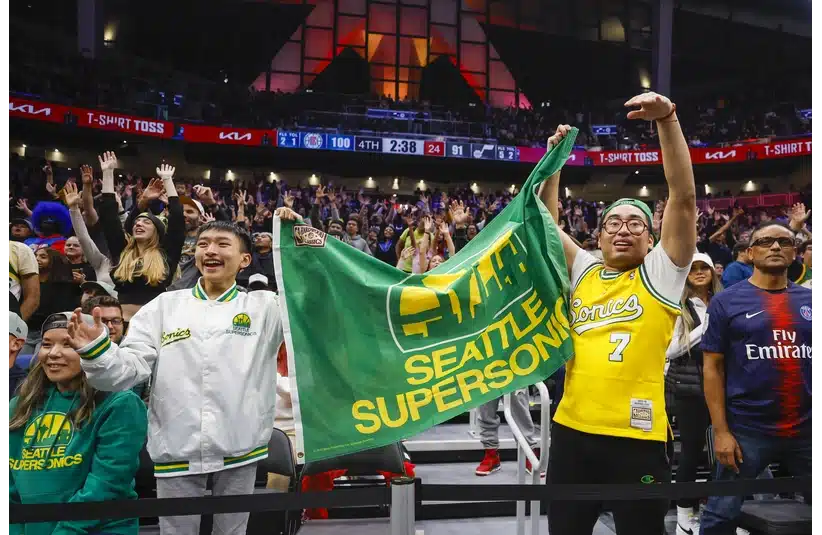
While other cities like Mexico City or Louisville occasionally pop up in expansion chatter, Seattle and Las Vegas have emerged as the clear heavyweights in this fight.
The Return of the SuperSonics?
For Seattle, this is personal. Since the SuperSonics departed for Oklahoma City in 2008, the Emerald City has been clamoring for a return to the hardwood. The push for a new franchise has been fueled by intense civic outreach and renewed political interest.
The narrative here is one of restoration.
Seattle is a market with a rich basketball history, and bringing a team back would heal a massive wound in the sport’s geography. The jubilant reaction from fans on social media following the news proves that the passion hasn’t faded; longtime supporters are ready to dust off the green and gold.
Las Vegas: The New Sports Capital
Las Vegas presents a different, but equally compelling, case. Once considered off-limits for major league sports due to gambling concerns, the city has rapidly transformed into a sports mecca. With the success of the NFL’s Raiders and the NHL’s Golden Knights, Vegas has proven it has the commercial and entertainment infrastructure to support a permanent franchise, as many sporting events have been taking place there lately.
Stakeholders in Las Vegas have been aggressively presenting the city as “NBA-ready.” A team here wouldn’t just be a local draw; it would be a global tourism destination, fitting perfectly with the NBA’s entertainment-first brand.
The Business of Basketball
Why is this happening now? Beyond the romanticism of bringing basketball back to Seattle or planting a flag in Vegas, the financials are a massive driver.
Analysts have noted that expansion fees, the price new ownership groups pay to join the exclusive club, probably would be astronomical, potentially reaching billions of dollars per team. This revenue would be shared among the existing 30 NBA owners, providing a significant financial injection.
However, adding teams isn’t without logistical headaches. A move to 32 teams would force the league to address the following concerns that many would have:
- Conference Realignment: Adding two Western teams likely means moving one or two current Western Conference teams (like Memphis or New Orleans) to the East to balance the brackets.
- Scheduling: The 82-game season is already a grind. Fitting in two more franchises requires a complex rework of the calendar.
- Talent Dilution: Skeptics argue that spreading talent across two more rosters could lower the overall quality of play, though supporters argue the global talent pool is deeper than ever.
What’s Next on the Timeline?
The clock is ticking toward the summer. Before the vote takes place, the league office is expected to present a formal expansion plan to the Board of Governors. This will trigger a period of intense due diligence, during which ownership groups and city officials will undergo financial and logistical vetting to ensure they are the right choice for the expansion.
If the vote passes, the focus will immediately shift to the practical steps: confirming ownership groups, finalizing arena plans, and setting a launch date. While the 2027–28 season has been floated as a potential start date, the exact timeline will depend on how quickly the logistics can be sorted.
For now, every basketball fan in the Seattle and Las Vegas areas is filled with a lot of anticipation. The “what if” is quickly becoming “what’s next,” and this summer could mark the beginning of a new era for the NBA.
