
First Openly Gay NBA Player, Jason Collins, Dead At 47 Following Battle With Glioblastoma

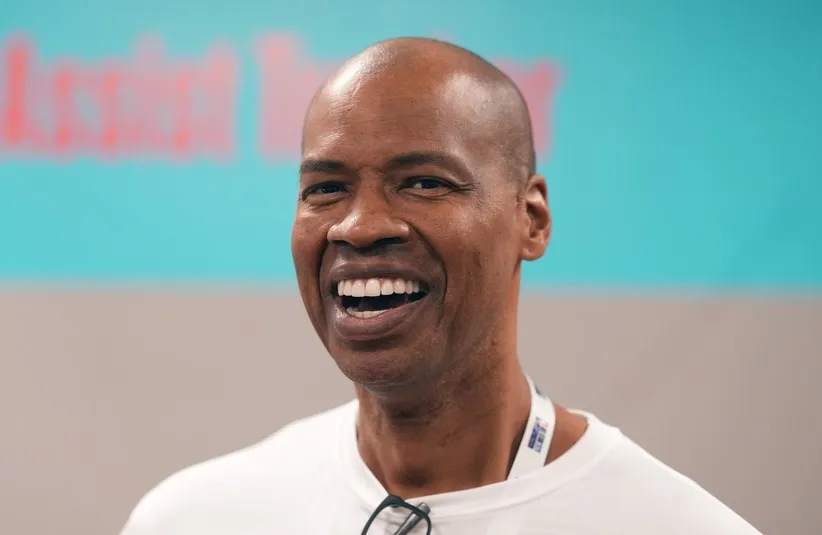
The basketball world lost more than a former NBA center this week. It lost a barrier-breaker, a locker-room glue guy, and one of the rare athletes whose impact stretched far beyond a box score. Jason Collins died at 47 after a battle with brain cancer, according to multiple reports on Tuesday. The reason the sports world will remember Jason Collins forever has nothing to do with rebounds or playoff rotations.
Jason Collins Changed American Sports Forever
Back in 2013, the sports landscape looked very different. Athletes were still expected to stay “safe,” stay quiet, and definitely avoid conversations that made executives nervous during sponsorship meetings. Then Jason Collins stepped into the spotlight and changed the script.
When he publicly came out as gay, Collins became the first active male athlete in one of America’s four major professional sports leagues to do so. That wasn’t just headline news. That was seismic.
You could almost hear every old-school sports radio host clutching their coffee mug. Yet Collins handled the moment with the calm demeanor he always carried on the floor. No dramatic chest-thumping. No “look at me” tour. Just honesty. Simple honesty. In pro sports, that can be revolutionary.
The ripple effect mattered. Younger athletes suddenly saw possibilities where fear used to live. Locker rooms slowly evolved. Conversations changed. The culture moved forward, even if sports sometimes moves at the speed of a backup center running suicides in August.
Jason Collins Was the Ultimate Teammate
Ask around the league, and you’ll hear the same thing repeated over and over: Jason Collins made teams better without demanding attention. That is a rare skill in modern sports.
Collins spent 13 NBA seasons with teams including the New Jersey Nets, Atlanta Hawks, Boston Celtics, Washington Wizards, and Brooklyn Nets. He averaged modest numbers during his career, but coaches consistently valued the things fans don’t always notice immediately: communication, defense, positioning, and leadership.
Former teammates often described him as intelligent, funny, and deeply respected inside NBA circles. Those qualities don’t show up on trading cards, but they matter when a season starts unraveling in January, and somebody has to hold a locker room together.
Jason Collins Leaves a Legacy Bigger Than Basketball
There’s a temptation after moments like this to turn someone into a superhero. Collins probably would’ve hated that. He always came across as grounded, self-aware, and refreshingly human. That is why his story connected.
He showed that courage doesn’t always look loud. Sometimes courage looks like telling the truth when you know the world might react badly. Sometimes it looks like walking into an NBA arena carrying pressure most people can’t imagine and still doing your job professionally.
Maybe that’s the lasting image here. Not the headlines. Not the history-making announcement. Not even the milestones. Just Jason Collins being the kind of teammate people trusted. In a sports world obsessed with individual greatness, that may be the most meaningful legacy of all.
For More Great Content
Find Justin on X: https://x.com/jrimp803 and LinkedIn: https://www.linkedin.com/in/justin-rimpi-11502014a/
