
JJ Redick’s Roadmap: How the Lakers Plan to Survive A “Brutal” January 2026 Stretch

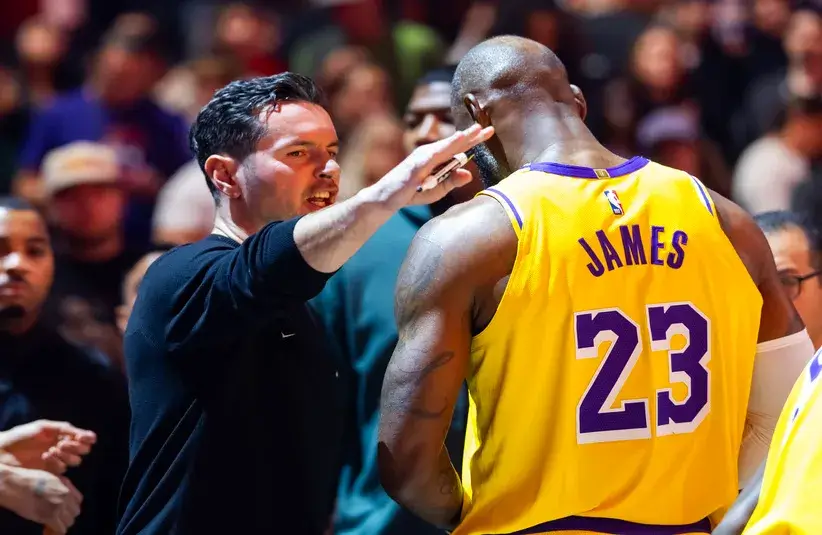
Every NBA season hits that inevitable mid-winter grind. For the Los Angeles Lakers, that grind is here, and it’s looking particularly punishing this January. Faced with a condensed schedule that would test even the freshest legs, head coach JJ Redick is making a pivotal adjustment.
His strategy? Less time on the practice court, more strategic recovery, and a clear message: managing the mileage on veteran legs isn’t just a luxury—it’s a necessity. Here is everything you need to know about the Lakers’ new approach to navigating the winter slog.
The Strategy: “Surgical” Work Over Sweat Equity
The headline news coming out of the Lakers’ facility this week wasn’t a trade rumor or a lineup change, but a shift in philosophy. JJ Redick told reporters bluntly that the team is scrapping morning shootarounds and shortening practices throughout January’s heavy stretch.
Redick’s rationale was simple and pragmatic. He emphasized that players—specifically referencing a certain 41-year-old superstar—”shouldn’t be on his feet twice a day.”.
Really, then why pay LeBron that gigantic salary if he shouldn’t be on his feet twice a day? So the entire team is going to suffer for lack of practice, just because of one player. Like that is ridiculous. Remind me why JJ Redick is still employed, again? Oh right, he’s buddies with LeBron James, its a player-driven league, and coaching doesn’t matter in the NBA.
Why This Matters Now
Context is key here. The Lakers currently have a solid 23-13 record, but they are also navigating a minefield of high expectations.
Redick’s comments reveal a deliberate shift toward load management that happens behind the scenes. Rather than simply announcing that stars will sit out games (though that may still happen), the coaching staff is trying to buy back rest minutes in practice.
The Impact on the Roster
So, what does this actually look like for the squad?
1. LeBron’s Preservation
For LeBron James this is a welcome reprieve. By eliminating the “double days” of shootaround plus a game, the Lakers are reducing the cumulative stress on soft tissue and joints. The hope is that this keeps the injury bug at bay during a month where travel and game frequency peak.
2. Role Players Step Up
If the stars are preserving energy, the bench unit has to carry the torch. Expect to see increased minutes for the supporting cast. Redick’s plan implicitly trusts role players to absorb minutes and maintain intensity. This is their audition time—a chance to prove they can contribute to winning basketball when the rotation tightens up later in the season.
3. Coaching Adjustments
For Redick and his staff, this requires a delicate balancing act. How do you prepare a team for elite opponents without going full speed in practice? The coaching staff will need to rely heavily on film study and mental reps. If the defense looks sloppy or the offense looks disjointed, critics will be quick to point to the lack of practice time.
League-Wide Trends
The Lakers aren’t reinventing the wheel here; they are just leaning into a league-wide trend. Across the NBA, teams are using biometric data and medical input to guide practice intensity. The days of grueling, Pat Riley-style three-hour practices in the middle of the season are largely gone.
The proof, as always, will be in the performance. Watch the rotations carefully in early January. Are the Lakers looking sluggish out of the gate, or do they have an extra gear in crunch time? Medical staff reports and player availability will be the ultimate scorecard.
FAQ
Will LeBron sit out games?
No formal game-by-game sit-outs were announced as part of this specific plan. The primary focus is on reducing the workload outside of games (practices and shootarounds) to keep him available for the actual contests.
Will this change the Lakers’ identity?
The core style of play remains the same. However, you can expect more bench usage and perhaps more situational substitutions to protect the starters from unnecessary fatigue.
The Bottom Line
JJ Redick’s plan to navigate a grueling January blends practical rest measures with a necessary trust in his team’s depth. It’s a modern solution to an age-old NBA problem: how do you survive the marathon to sprint the final mile? The next few weeks will tell us if the Lakers have found the answer through LeBron or a problem with LeBron.
