
Why Foul Calls Are Surging in the Playoffs And Why the NBA Isn’t Backing Down

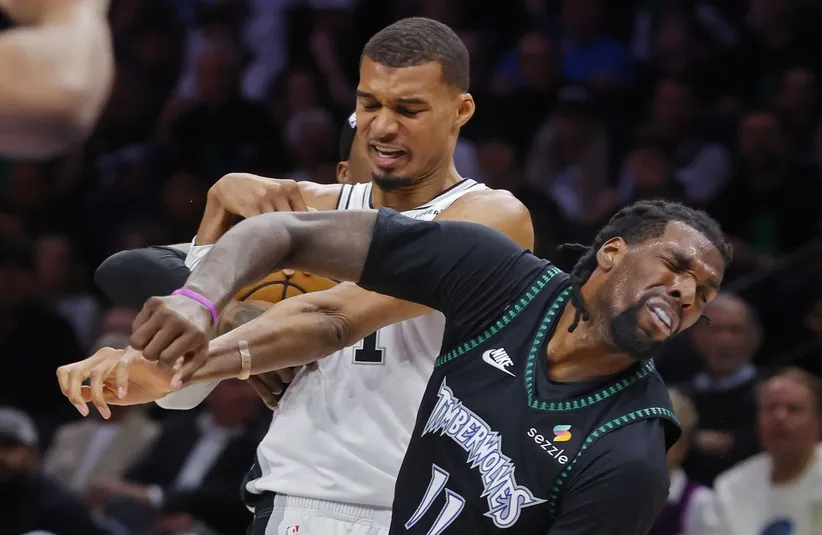
The playoffs are supposed to be the purest form of basketball — intensity cranked to eleven, stars battling through contact, and referees letting the best players decide the moment. But this year, the whistle has been louder than usual, and fans haven’t been shy about letting the league know they hear it.
According to league officials, personal fouls are up roughly 11% compared to the regular season. That spike isn’t just noticeable — it’s one of the largest jumps in modern NBA history. And while social media has turned every borderline call into a slow‑motion referendum, the league insists this isn’t a crisis. It’s the natural rhythm of postseason basketball.
Why the NBA Says This Is Normal
Monty McCutchen, the NBA’s senior vice president overseeing referee development, has been the league’s most vocal defender of the trend. The pace slows. The physicality rises. Every possession feels like a chapter in a seven‑game novel. And with that comes more contact — and more calls.
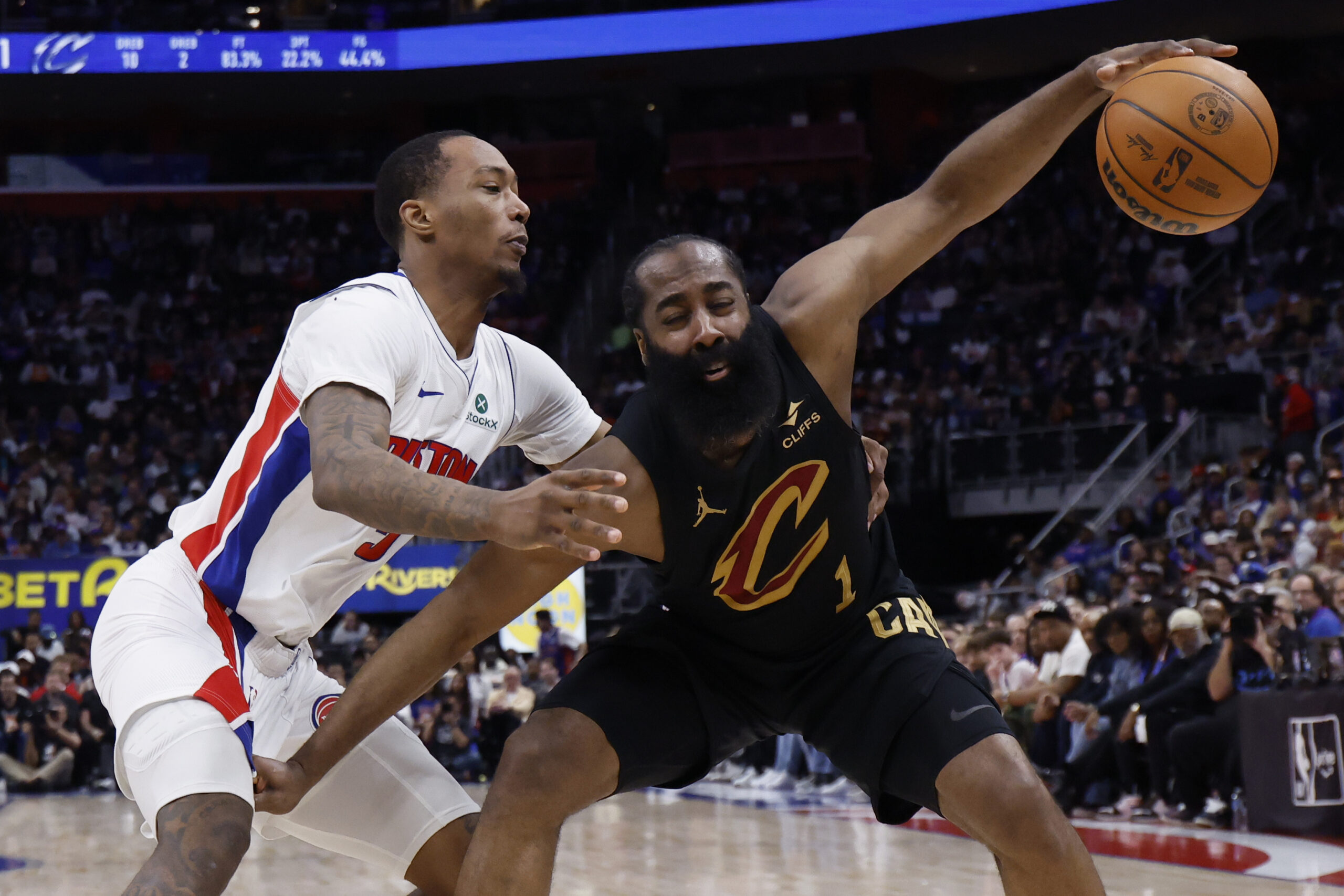
McCutchen has emphasized that referees aren’t changing their standards; the environment is. The postseason’s emotional weight, he argues, forces officials to adjudicate plays that simply don’t happen with the same frequency in January. When bodies collide in tighter spaces and stars fight for inches, whistles follow. And historically, he’s right. The NBA has seen foul calls rise in 66 of the last 80 postseasons, according to league data. This year’s jump is big, but not unprecedented.
Players Aren’t Exactly Buying It
Of course, try telling that to the guys on the floor. This postseason has already produced several flashpoints:
- Victor Wembanyama’s ejection after a physical exchange that left Spurs fans furious
- Austin Reaves and the Lakers holding a midcourt conversation with officials after a tough loss
- Cleveland’s Donovan Mitchell is seeing a dramatic swing in free‑throw attempts from game to game
These aren’t isolated incidents — they’re symptoms of a postseason where emotions are boiling. Coaches are lobbying. Players are venting. And fan bases are convinced the whistle is out to get them. That’s the playoffs. But this year, the volume feels louder.
The League Walks a Tightrope
The NBA knows it’s being watched — every call, every replay, every two‑minute report. The league wants aggression, not chaos. They want physicality, not danger. They want passion, not recklessness. That’s a razor‑thin line. Officials review tape after every game. Their postseason assignments depend on performance. Every whistle is graded. Every mistake is logged. And yet, perfection is impossible — especially when the stakes are this high.
Fans Want Consistency — Not Explanations
The league can cite history. It can cite data. It can cite the inherent intensity of the playoffs. But fans want something simpler: consistency. They want to know why a bump in the first quarter is a no‑call, but the same bump in the final minute sends someone to the line. They want to know why a superstar gets hammered with no whistle one night and breathes on a defender the next night and gets tagged for it. They want the game to feel fair. And that’s where the league still struggles. Not because referees aren’t trying — but because the postseason amplifies every decision to a deafening level.
The Playoffs Will Always Be Messy
Here’s the truth: the playoffs aren’t supposed to be clean. They’re supposed to be emotional, unpredictable, and occasionally infuriating. That’s what makes them great. The NBA isn’t wrong when it says foul calls rise every postseason. They aren’t wrong when they say the intensity demands tighter officiating. And they aren’t wrong when they defend their referees. But fans aren’t wrong either.
They’re invested. They’re passionate. They’re living and dying with every whistle. That’s the beauty of this time of year. And as long as the playoffs exist, the debate over officiating will exist with them — loud, heated, and impossible to ignore.
