
Dylan Harper’s Injury Sends Shockwaves Through Spurs’ Playoff Push

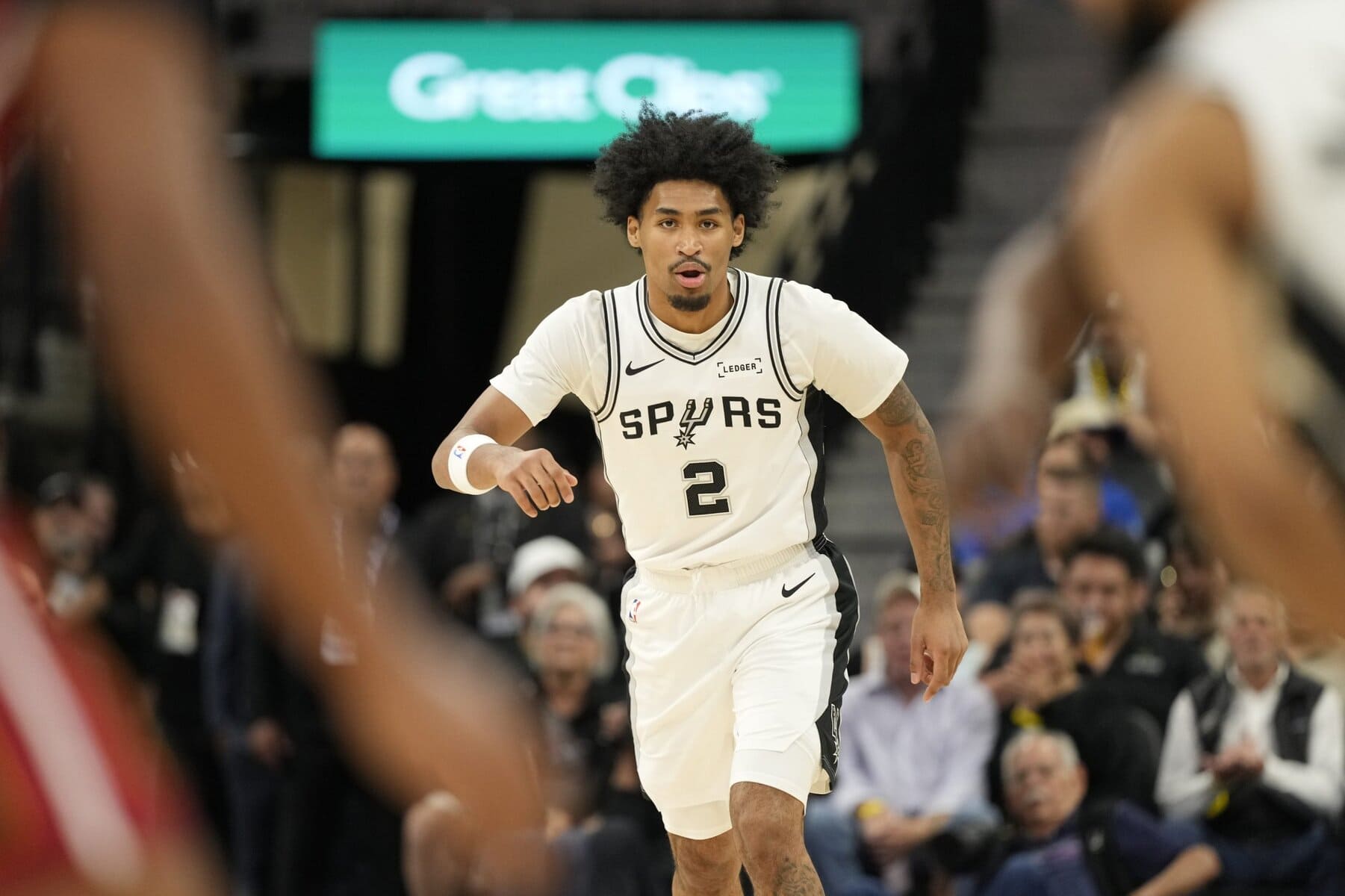
The San Antonio Spurs walked into the Western Conference finals already limping. They might now be staggering. Rookie guard Dylan Harper—the heartbeat of San Antonio’s perimeter attack in De’Aaron Fox’s absence—left Game 2 against the Oklahoma City Thunder with a right hamstring injury that instantly changed the tone of the series. What had been a gritty, back‑and‑forth battle suddenly felt like a crisis unfolding in real time. And inside the organization, there’s no hiding the concern.
Harper’s Exit Leaves a Void the Spurs Weren’t Built to Fill
Harper’s night ended with 5:25 left in the third quarter, when he drove hard to the rim, absorbed contact, and immediately grabbed the back of his leg. He tried to stay loose on the bench, but the pain didn’t subside. Moments later, he disappeared down the tunnel for good.
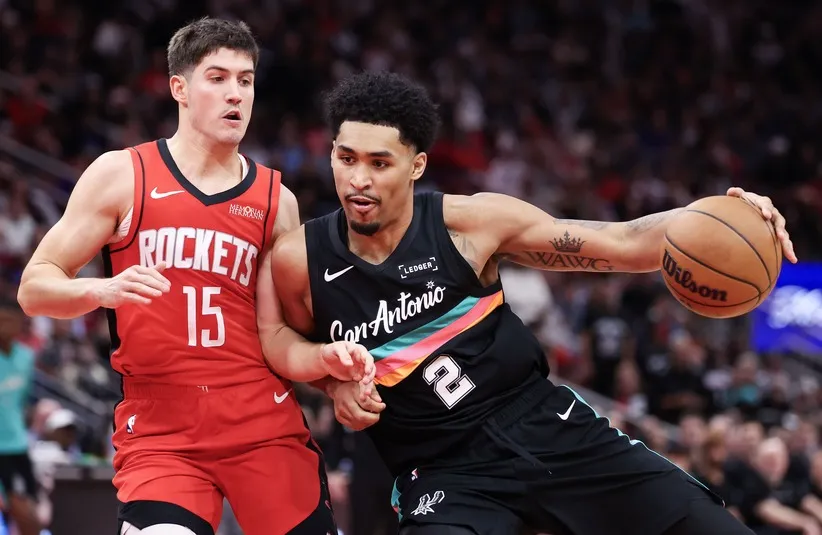
Before the injury, Harper had been one of the few stabilizing forces in a turnover‑plagued Spurs offense. He posted 12 points and three assists in 25 minutes, a modest line compared to his Game 1 explosion—but his presence alone kept San Antonio’s spacing and tempo intact. Now, the Spurs wait for MRI results, hoping the hamstring strain is mild. But hope doesn’t erase the reality: this is a team already stretched thin.
A Backcourt Held Together by Tape and Toughness
Fox’s high ankle sprain had already forced Harper into a larger role than anyone expected this early in his career. And he delivered—fearlessly, consistently, and with a maturity that belied his age.
But as ESPN’s Brian Windhorst bluntly put it, losing Harper on top of Fox “could be gigantic.” That’s not hyperbole. It’s math. San Antonio has turned the ball over 44 times in the first two games. Stephon Castle, the lone healthy lead guard, has committed 20 of them. That’s not a knock on Castle—he’s been brilliant in stretches, even historic—but the load he’s carrying borders on unreasonable.
The Spurs aren’t just missing bodies. They’re missing initiators, organizers, and decision‑makers. Against a Thunder team that thrives on pressure and chaos, that’s a dangerous combination.
Castle’s Burden Grows Heavier
Castle has been thrust into a role that would challenge even seasoned veterans. He’s now the primary ball handler on nearly every possession, tasked with scoring, facilitating, and defending elite perimeter talent—all while trying to keep the Spurs’ offense from unraveling.
He’s responded with toughness and accountability, openly acknowledging that fatigue and pace have contributed to his turnovers. But the Spurs know they’re asking him to do too much. They just don’t have another choice. If Harper misses time, Castle’s workload only intensifies. And the Thunder know it.
Wembanyama Can’t Do It Alone
Victor Wembanyama has been nothing short of spectacular, averaging numbers that evoke Shaquille O’Neal’s early‑2000s dominance. But even generational big men need guards who can get them the ball in the right spots. Without Fox and Harper, the Spurs’ offense becomes predictable. Wembanyama sees more bodies, more digs, more traps. The Thunder can load up on him without fear of being punished by dribble penetration. The ripple effect is unmistakable.
Next Man Up… But Who?
If Harper and Fox are unavailable for Game 3, San Antonio will lean on Jordan McLaughlin and Keldon Johnson to absorb ball‑handling duties. Both are capable, but neither replicates Harper’s blend of pace, strength, and creativity. The Spurs have survived injuries all season, but this is different. This is the conference finals. This is a Thunder team that punishes every mistake. This is a moment where depth isn’t a luxury—it’s a lifeline. And right now, that lifeline is fraying.
A Series Redefined by Health
The Spurs return home with the series tied 1‑1, but the mood feels far from even. Harper’s MRI looms over everything. His availability could swing the trajectory of the series—and perhaps the franchise’s playoff hopes. Harper has already proven he belongs on this stage. Now the Spurs can only hope he gets the chance to step back onto it. Because without him, San Antonio isn’t just shorthanded. They’re vulnerable.
