
The 65-Game Threshold For Awards: Luka Dončić and Cade Cunningham Win Appeals, Anthony Edwards Denied

The NBA’s newly implemented 65-game rule for awards has been the most fiercely debated topic of the season, hanging over the league like a dark cloud. Designed to curb load management and force superstars onto the floor, the mandate has instead created a bureaucratic nightmare. Now, we finally have some clarity on how the league handles the gray areas.
In a massive decision handed down on Thursday, Los Angeles Lakers guard Luka Dončić and Detroit Pistons guard Cade Cunningham won their appeals against the 65-game threshold under the collective bargaining agreement’s “extraordinary circumstances” provision. As a result, both superstars are officially eligible for end-of-season awards. Minnesota Timberwolves guard Anthony Edwards, however, wasn’t so lucky. His appeal was flatly denied by an independent arbitrator, entirely removing him from the awards conversation.
The 65-Game Rule Drama: Who is Eligible for Awards?
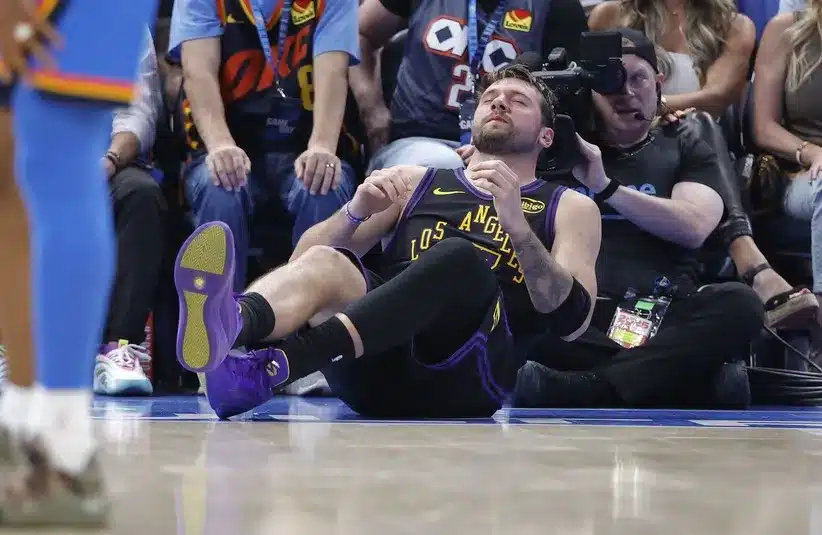
The appeals process brought some much-needed humanity to a rule that otherwise feels incredibly cold and calculated. For Dončić, his absence wasn’t about resting sore knees; it was about fatherhood. Dončić finished the regular season with 64 games played, falling agonizingly short of the 65-game mark because he missed two games in December to travel to his native Slovenia for the birth of his daughter.
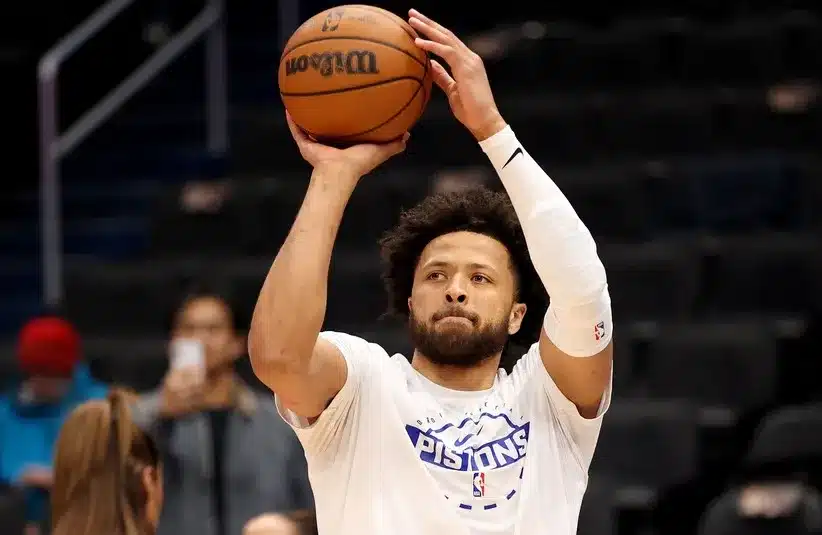
Forcing a player to choose between the birth of his child and eligibility for MVP and All-NBA honors felt inherently wrong. The league and the players’ union agreed. Cunningham’s situation was a terrifying matter of life and death. The Pistons’ cornerstone guard played 64 games this season, but only 63 officially counted because he exited a mid-March matchup after just five minutes with a collapsed lung. Missing 12 games to recover from a severe medical emergency clearly fits the definition of an extraordinary circumstance.
Why Anthony Edwards Was Left Out of the Awards Conversation
While Lakers and Pistons fans are breathing a sigh of relief, the mood in Minnesota is a mixture of confusion and sheer anger. Anthony Edwards, who poured his heart and soul into a 60-game campaign, saw his appeal rejected. Edwards missed significant time dealing with a nasty infection, a situation his camp felt was entirely out of his control. Justin Holland, Edwards’ business manager, didn’t hold back his frustration regarding the inconsistency of the rulings. Though he noted that Edwards himself isn’t sweating the decision.
Timberwolves head coach Chris Finch was equally bewildered. Finch correctly pointed out that Edwards is an absolute warrior who never sits out simply to rest. “I’m not sure why we have a rule if we have an appeal process that is overturned in two-thirds of the cases that were held before,” Finch said, his frustration palpable. “Feels more like a suggestion than a rule.”
The Impact on MVP and All-NBA Awards
With Dončić and Cunningham back on the ballot, the landscape for the league’s major awards shifts dramatically. Dončić, despite missing the final stretch of the season with a hamstring injury, has been nothing short of breathtaking. While he might not take home the MVP trophy, a top-five finish is practically guaranteed. More importantly, he is now firmly in the mix for his sixth All-NBA First Team selection—a massive milestone for his historical legacy.
Cunningham, who miraculously helped lead Detroit to 60 wins and the top seed in the East, has a rock-solid case for an All-NBA spot. Earning this hardware not only validates his incredible comeback from a scary injury but also heavily influences future contract negotiations.
Is the NBA’s Stance on Awards Good for the Game?
Adam Silver and the NBA front office have continuously defended the 65-game mandate, arguing that it has successfully driven up star player participation. To their credit, the rampant load management that plagued previous seasons has noticeably decreased. Fans are actually seeing the players they paid hard-earned money to watch.
But when legitimate injuries and major life events are put on trial just so a player can qualify for postseason awards, the system still feels flawed. Basketball is played by human beings, not machines. While the league made the right call in granting clemency to Dončić and Cunningham, the rejection of Edwards proves that this rule still has a long way to go before it feels truly fair. For now, the ballots are out, the debates are raging, and the race for the NBA’s biggest awards is finally taking shape.
