Wrigley Field Is Not Just Hosting A Game, It Is Hosting History

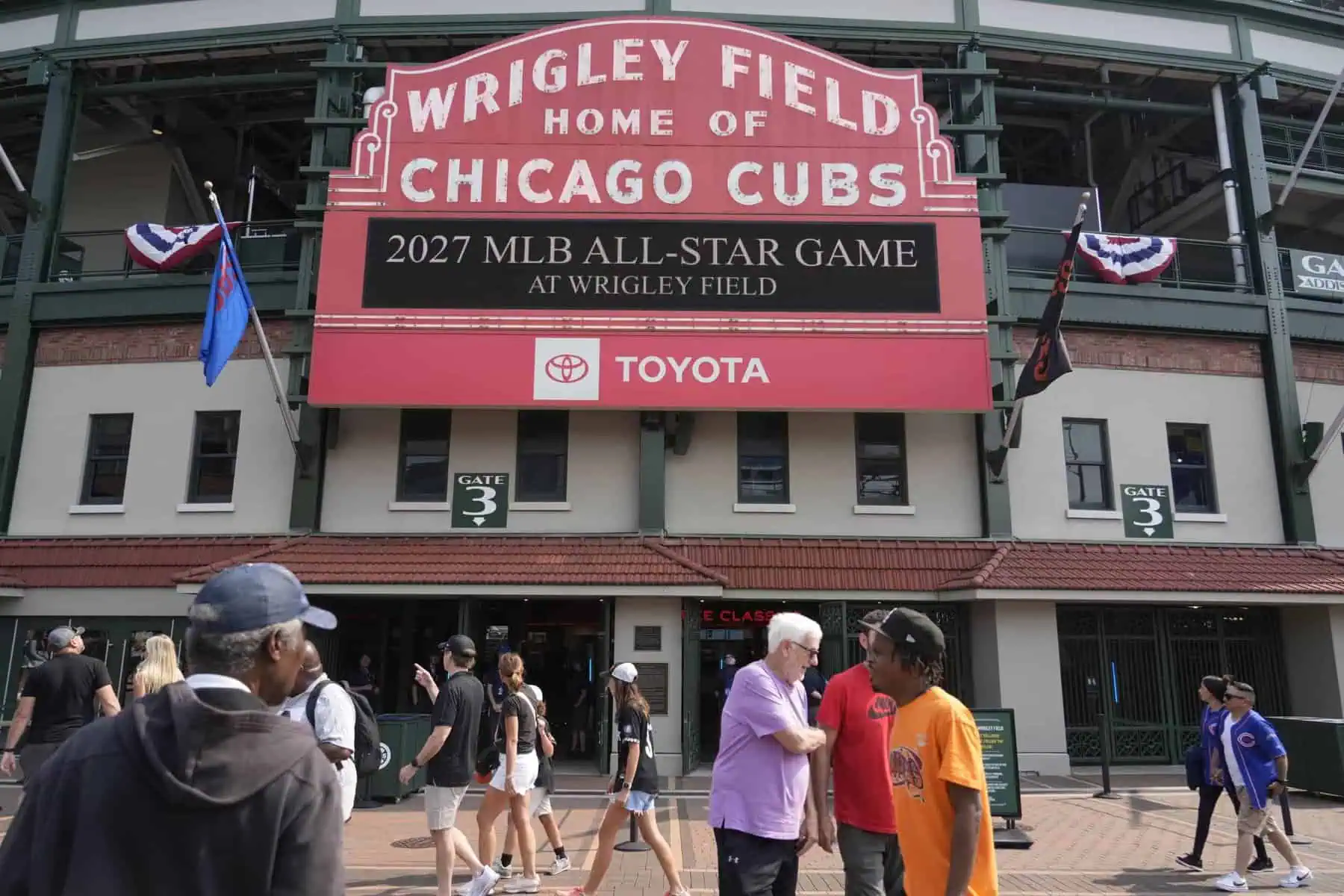
It is official, folks. After almost four decades of waiting, Wrigley Field is finally back in the All-Star Game spotlight. That’s right—come 2027, Major League Baseball’s “Midsummer Classic” returns to the “Windy City.”
Sure, the Cubs haven’t hosted an All-Star Game since 1990 (when Ryne Sandberg casually dominated the Home Run Derby), but this is not just about dusting off nostalgia. This is about celebrating one of baseball’s most iconic ballparks in its full, modernized glory. Wrigley Field is rocking a makeover that cost a cool $550 million. It is all set to show itself off on July 13, 2027.
The Glow-Up Wrigley Deserved
We have to hand it to the Cubs. The 1060 Project, as their multi-year renovation plan was lovingly dubbed, was not just a facelift. We are talking new amenities galore. Those creaky old concourses? Gone. The outdated clubhouses? Enjoying retirement. The bleachers? Rebuilt and now features massive video boards. They even spruced up the neighborhood with Gallagher Way and added Hotel Zachary.
Wrigley Field is now fitted for the 2020s while still holding onto that classic charm that makes it Wrigley Field. It is gone from historic to futuristic, and there’s something for every baseball fan.
All-Star History At Wrigley Field
Considering Wrigley Field has been around since 1914 (making it the oldest ballpark in the National League), it has only hosted the All-Star Game three times. If that feels wrong, that’s because it is.
The 1990 showdown, the last All-Star Game at Wrigley, wasn’t exactly an offensive fireworks display. The National League somehow managed just two hits, and the Home Run Derby lineup hit a not-so-impressive five dingers total. Sandberg snagged the Derby title with three homers.
Now, with baseball fans descending upon Chicago in 2027, there is a chance for Wrigley to reclaim its star power. This time, they’ll have their glammed-up park, a buzzing Wrigleyville, and hopefully a few more National League hits.
Cubs Fans, Rejoice
Cubs fans, grab some Cracker Jack and rejoice. Not only is this a huge win for Wrigley Field’s legacy, but it is also a huge flex for the city of Chicago. Illinois Governor JB Pritzker summed it up best, calling Wrigley “the beating heart of baseball.” While beating heart might be a bit overdramatic, you can’t deny the charm of the stadium nicknamed “Friendly Confines.” MLB Commissioner Rob Manfred even admitted that hosting the game at Wrigley was “overdue.” The league finally said yes after the Cubs cleared logistical hurdles.
Beyond the 2027 Game: What Is Next?
Of course, all this excitement hinges on one important, if ominous, caveat: MLB’s collective bargaining agreement expires at the end of 2026. Will negotiations between the league and players derail the 2027 season? A potential work stoppage looms as a possibility, and no one likes contingency plans that involve “what if the season doesn’t happen?”
For now, though, the Cubs are planning like it’s full steam ahead. Chicago will be hosting the league’s finest with everything from street festivals to deep-dish pizza specials. It is also part of a stretch that features Philadelphia’s Citizens Bank Park hosting the 2026 All-Star Game during the U.S. 250th birthday celebration.
Why Wrigley Hosting the 2027 All-Star Game Matters
Here’s the bottom line. Wrigley Field is not just a stadium; it is a baseball shrine. Hosting the All-Star Game in 2027 is not just another notch in a historic timeline. It is a statement. It says that despite decades of “lovable loser” jokes and debate over whether its charm outweighed its outdatedness, Wrigley Field still matters. Chicago still matters.