
Legendary Atlanta Braves Manager Bobby Cox Dies At 84

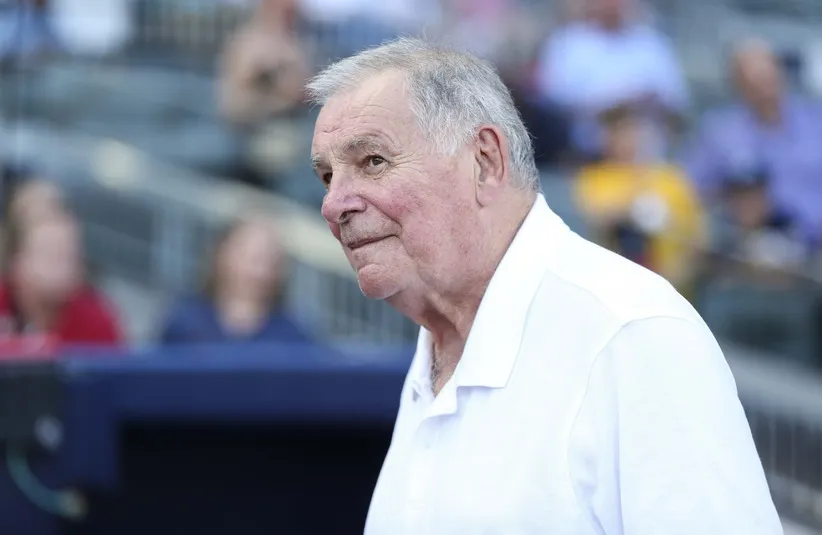
Bobby Cox, the fiery Hall of Fame manager who helped turn the Atlanta Braves into baseball’s gold standard throughout the 1990s, died at 84. And honestly? It feels like losing one of the last true baseball men, the kind who looked more comfortable covered in dirt and arguing with umpires than sitting behind a microphone talking launch angles.
For Braves fans, this one cuts deep. Bobby Cox wasn’t just a manager. He was the soundtrack of summer nights on TBS. He was the guy storming out of the dugout after a borderline strike call while 40,000 people rose to their feet like they already knew what was coming next: another legendary ejection and another unforgettable Braves win.
And somehow, through all the yelling, lineup cards, and October pressure, players absolutely adored the man. That tells you everything.
Bobby Cox Built a Braves Dynasty That Felt Inevitable
There was a stretch in baseball when the Atlanta Braves showing up in the postseason felt less like a possibility and more like a calendar holiday. From 1991 through 2005, the Braves won 14 straight division titles under Bobby Cox, excluding the strike-shortened 1994 season. Fourteen. In modern sports, that almost sounds made up. The Braves weren’t flashy. They were relentless.
Every year, it was Greg Maddux freezing hitters with pitches that looked illegal. Tom Glavine painting corners like a surgeon. John Smoltz staring into a catcher’s mitt like he wanted to throw the baseball through the planet. And there was Bobby Cox at the top step of the dugout, chewing gum and quietly pulling all the strings. Well, quietly until an umpire missed a strike. Then all bets were off.
Cox finished his career with 158 ejections, the most in MLB history. That stat alone deserves its own plaque in Cooperstown. But here’s what made those moments matter: players knew he was fighting for them. Every manager says they “have their guys’ backs.” Bobby Cox actually showed it. Usually while kicking dirt on home plate and getting tossed before the fourth inning.
Bobby Cox Made Atlanta Baseball Matter Nationally
Before the Braves became America’s Team, they were honestly kind of an afterthought nationally. Then came Ted Turner. Then came Bobby Cox. And suddenly, baseball in Atlanta mattered everywhere.
Cox first managed the Braves in the late 1970s, later managed Toronto, then returned to Atlanta in 1990 and changed everything. The Braves became the model franchise. They were stable, smart, and terrifyingly consistent.
And what’s funny is Bobby Cox never really acted like a celebrity manager. He wasn’t chasing attention. He wasn’t trying to become baseball’s philosopher king during postgame interviews. Most nights, he looked like a guy who’d rather be discussing bullpen matchups over sweet tea somewhere in Georgia.
Players trusted him because he treated stars and role players the same way. Chipper Jones has talked for years about Cox creating a clubhouse culture that felt like family instead of business. Around baseball, former players consistently described him less as a boss and more as a protector.
Bobby Cox Leaves Behind More Than Wins and Championships
The numbers are ridiculous on their own. More than 2,500 managerial wins. Five National League pennants. A 1995 World Series title. Four Manager of the Year awards. Hall of Fame induction in 2014. But numbers don’t fully explain why Bobby Cox mattered. What people will remember is the feeling.
The Braves games on summer evenings. The packed playoff crowds at Turner Field. The image of Cox standing in the dugout railing with that familiar calm-before-the-storm expression. The certainty that if one of his players got squeezed by an umpire, the skipper was about seven seconds away from becoming baseball’s angriest dad. And somehow, fans loved him even more for it.
In today’s hyper-polished sports world, Bobby Cox felt refreshingly real. No fake corporate energy. No manufactured sound bites. Just baseball, loyalty, and occasional volcanic rage directed at umpires who probably deserved it. That era is disappearing fast.
Which is why Saturday feels heavier than a normal sports obituary. Baseball didn’t just lose a Hall of Fame manager. It lost one of the last true dugout legends.
For More Great Content
Find Justin on X: https://x.com/jrimp803 and LinkedIn: https://www.linkedin.com/in/justin-rimpi-11502014a/
