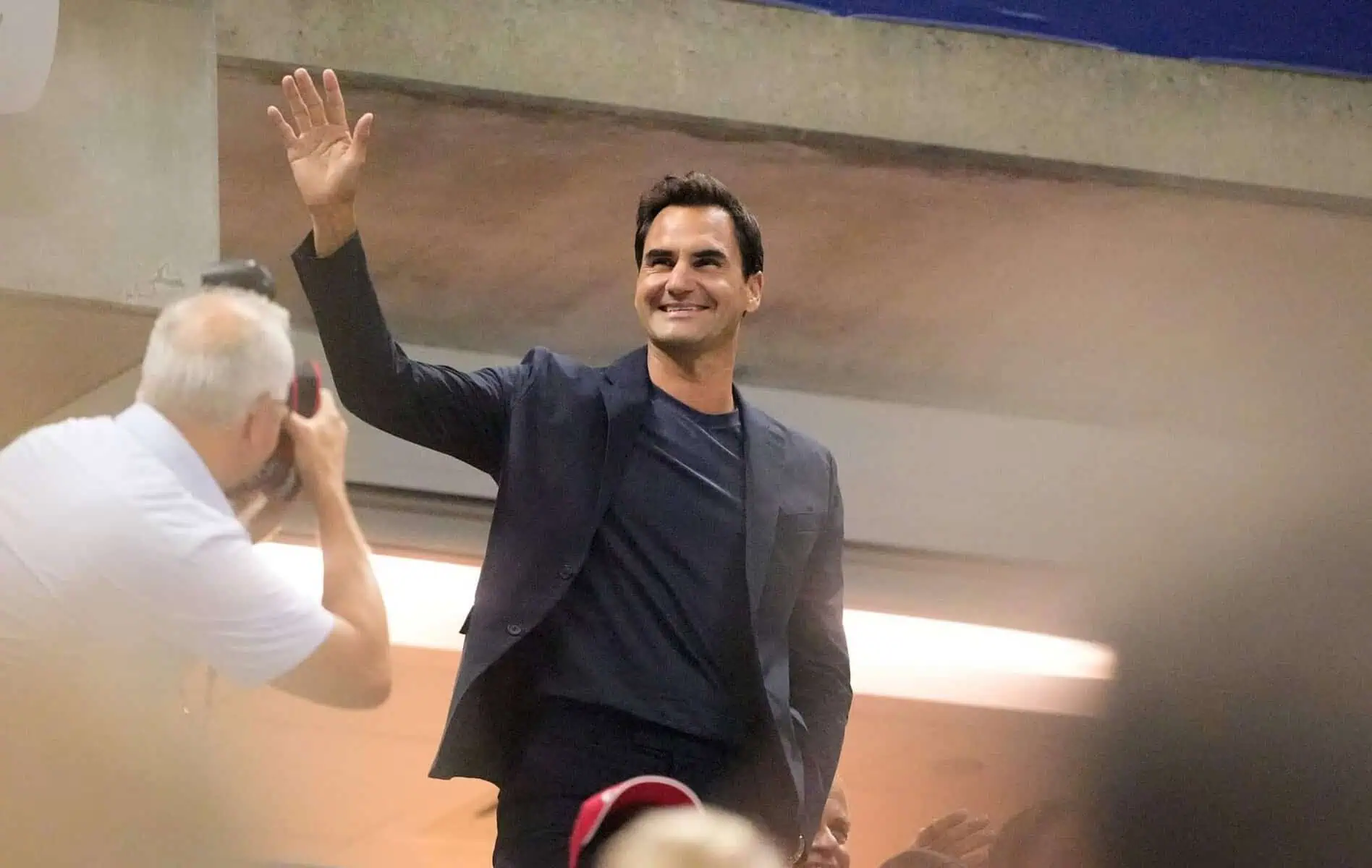
When Roger Federer’s Retirement Wisdom Helps Golf’s Golden Boy Avoid Career Burnout

Look, we’ve all been there. You’re scrolling through your social media feed, seeing the same recycled content over and over again, and you think to yourself, “Man, this is getting repetitive.” Well, turns out even world-class athletes feel the same way about their professional lives. Case in point: Rory McIlroy just dropped some surprisingly relatable career advice that came straight from tennis legend Roger Federer’s playbook.
The Northern Irish golfer recently opened up about how a conversation with the Swiss maestro completely changed his perspective on avoiding the dreaded professional monotony that can creep into any long-term career—even one as glamorous as professional golf.
How Federer’s Career Philosophy Struck a Chord
During a press conference at Wentworth, McIlroy revealed that Federer had shared some profound wisdom about keeping the spark alive in professional sports. The tennis icon, who retired in 2022 after winning 20 Grand Slam titles, told McIlroy about his desire to play in smaller, less prestigious tournaments toward the end of his career—not for the money or ranking points, but simply because fans in those locations had never seen him play live.
“I had a chat with Roger Federer, I don’t know, a few years ago sort of at the end of his career and he was saying he wanted to go and play a lot of the places he could never play in his career, some of the smaller events, just because a lot of people had never seen him play tennis before,” McIlroy explained.
It’s actually pretty brilliant when you think about it. Here’s Federer, arguably one of the greatest tennis players of all time, choosing to prioritize human connection and new experiences over the traditional metrics of success. Not exactly what you’d expect from someone who spent decades chasing every possible accolade, right?
Why McIlroy’s Taking This Advice Seriously
Now that McIlroy has achieved golf’s career Grand Slam (finally winning the Masters earlier this year), he’s experiencing what you might call the “what’s next?” phenomenon. After 18 years of grinding through the same tournament circuit, visiting the same venues, and following the same routine, the 36-year-old is ready to shake things up.
“I don’t want to name a tournament, but you’re going back to the same place, the same thing 15, 20 years in a row, it can get a little bit monotonous and a little bit tedious,” McIlroy admitted with refreshing honesty.
And honestly? Good for him. The man’s been incredibly transparent about his shifting priorities, and it’s actually refreshing to hear a top athlete acknowledge that success doesn’t automatically equal fulfillment.
McIlroy’s New Tournament Strategy

Following Federer’s philosophy, McIlroy is planning some interesting additions to his schedule. He’s set to play in India for the first time this year and is also planning a return to Australia. These aren’t necessarily the biggest tournaments on the calendar, but they represent something more valuable to McIlroy at this stage of his career: novelty and connection with fans who might never have seen him play in person.
The world number two faced criticism last month for skipping the first FedEx Cup event, but he’s clearly moved past caring about that kind of conventional pressure. His response? A shrug and a commitment to playing only where he wants to play.
“I want to play in the locations that I love to go to and I want to play the majors and the Ryder Cup. That’s it,” he stated matter-of-factly.
The Reality Check About Professional Longevity
Perhaps the most brutally honest part of McIlroy’s recent comments was his acknowledgment of his career timeline. “I don’t want to be grinding out here at 50 years of age,” he said. “I’ll turn up and play the majors and have a nice time but whenever I’m done, I’m done, whenever that is.”
It’s a stark contrast to some athletes who seem to cling to their competitive careers long past their prime (we’re looking at you, Tom Brady—though that worked out pretty well for him). McIlroy seems genuinely at peace with the idea that his priorities have shifted, and he’s not afraid to make decisions based on what actually brings him joy rather than what looks good on paper.
What This Means for Golf Fans
For fans, this could actually be great news. Instead of watching McIlroy go through the motions at tournaments he’s played dozens of times, we might get to see him genuinely excited about competing in new environments. There’s something to be said for an athlete who’s playing because they want to be there, not because they have to be there.
Of course, this approach isn’t without its risks. McIlroy’s decision to prioritize personal satisfaction over traditional career metrics might not sit well with sponsors, tour officials, or fans who expect their favorite players to show up at every major event. But at this point in his career, with a career Grand Slam under his belt and financial security for life, McIlroy has earned the right to be selective.
The Bigger Picture About Athletic Careers
McIlroy’s adoption of Federer’s philosophy raises some interesting questions about how we think about athletic careers. Why do we expect athletes to maintain the same level of grinding intensity throughout their entire careers? Why can’t someone who’s achieved everything there is to achieve shift their focus to enjoyment and new experiences?
The truth is, most of us would make similar choices in our own careers if we had the luxury and leverage to do so. McIlroy is just honest enough to admit it publicly.
Final Thoughts on Career Evolution
At the end of the day, McIlroy’s decision to follow Federer’s advice about avoiding career monotony is probably something more athletes should consider. There’s wisdom in recognizing when you’ve achieved your major goals and shifting your focus to what actually brings you satisfaction.
Whether this approach will work for McIlroy remains to be seen, but you have to respect his willingness to prioritize personal fulfillment over external expectations. And honestly, if it means we get to see him play with renewed enthusiasm in some unexpected locations, that sounds like a win for everyone involved.
After all, watching an athlete who genuinely wants to be there is always more entertaining than watching someone go through the motions—even if they’re incredibly skilled at going through those motions.