
WWE Legend Sir Mo Dies at 58 After Battling Illness—Wrestling Community Mourns

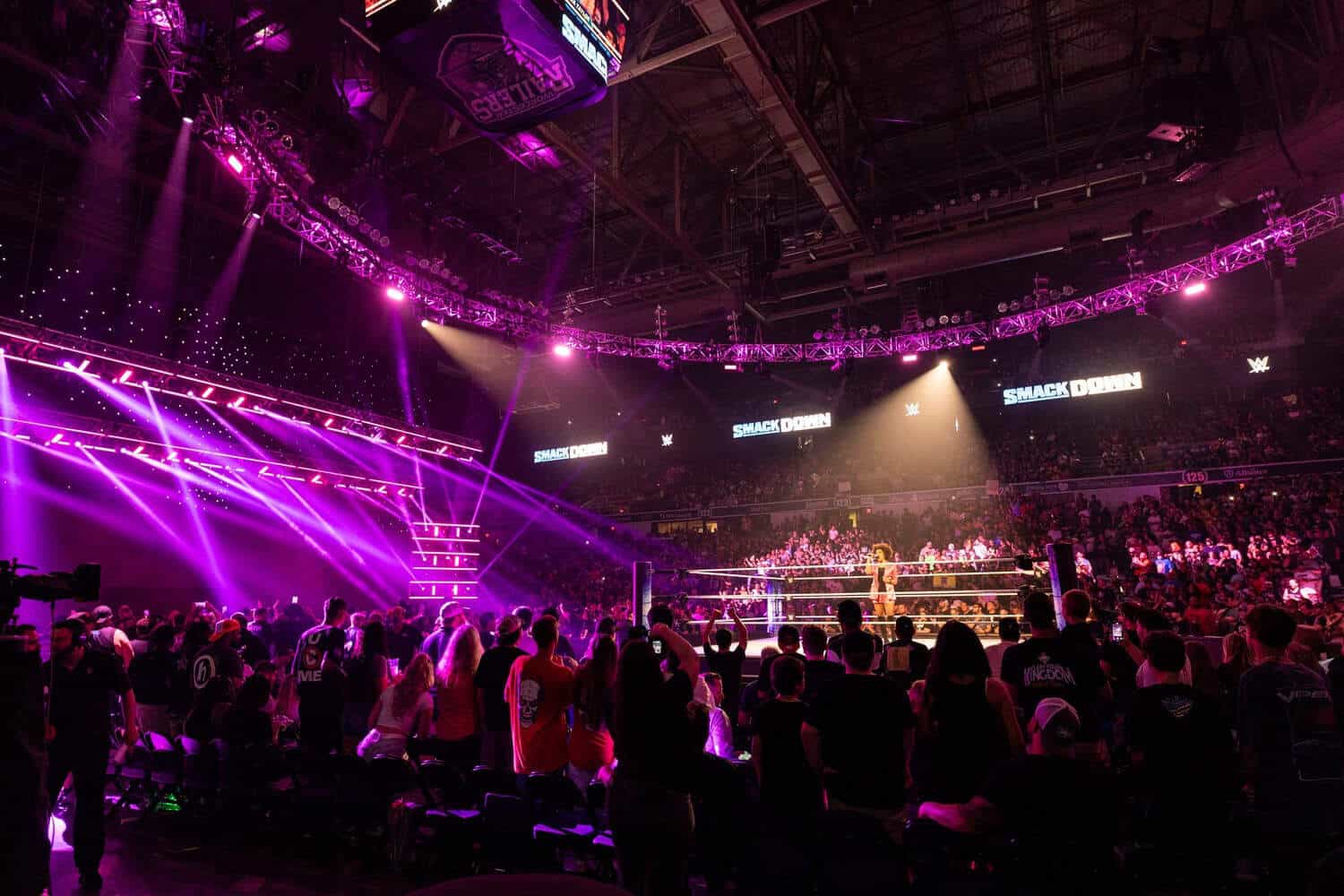
The wrestling world is reeling today after learning that Robert Horne, better known to fans as Sir Mo, has passed away at 58. If you grew up watching WWE in the ’90s, you probably remember him as one half of Men on a Mission alongside the massive Mabel (later Viscera). The news hit hard, and honestly, it’s one of those moments that reminds you wrestling isn’t just about the scripted drama—it’s about real people with real lives.
Who Was Sir Mo in WWE?
Sir Mo wasn’t just another face in the crowd during WWE’s golden era. He was part of something special. Men on a Mission burst onto the scene in 1993, and for a brief but memorable period, they were everywhere. The duo brought energy, charisma, and a unique vibe that stood out in an era packed with larger-than-life characters.
Their biggest achievement? Capturing the WWE World Tag Team Championships. Sure, they only held the titles for two days (talk about a short-lived celebration), but in wrestling, sometimes it’s not about how long you hold the gold—it’s about the moment itself. And Sir Mo had his moment.
Beyond WWE, Horne made his mark on the independent circuit, racking up four PWF Tag Team Championships and building a reputation as someone who genuinely loved the business. He wasn’t in it for fame or fortune—he was in it because he loved wrestling and the fans who supported it.
The Battle That Led to His Passing
According to reports, Sir Mo had been fighting pneumonia for the past month. He spent most of that time in intensive care, battling not just the lung infection but also a severe blood infection. His wife, Denise, stayed by his side throughout the ordeal, providing updates as he received round-the-clock care.
Eight weeks in a hospital bed. Can you imagine? That’s two months of fighting just to breathe, surrounded by machines and medical staff, hoping each day brings improvement. Unfortunately, despite the best efforts of his medical team and the support of his family, Horne’s body couldn’t win this final battle.
Fellow Wrestler Pays Heartfelt Tribute
The news was confirmed by retired wrestler Leilani Kai, who took to Facebook to share her grief and memories of her friend and colleague. Her words weren’t just a standard obituary—they were raw, real, and deeply personal.
“It breaks my heart to hear that Bobby Horne, better known to wrestling fans as Sir Mo of Men on a Mission, has passed away,” Kai wrote. She went on to describe how she first met him during their time with WWF in the mid-’90s, painting a picture of someone who made everyone feel welcome in what could often be a cutthroat industry.
“He was always kind to me—always smiling, joking around, and treating everyone with respect,” she continued. “When you were new or didn’t quite fit in yet, Bobby had a way of making you feel welcome.”
That’s high praise in professional wrestling. The business has a reputation for being tough, competitive, and sometimes downright brutal. Finding someone who goes out of their way to make newcomers feel comfortable? That’s rare. That’s special.
Kai also mentioned their time working together on the Carolina independent circuit, noting that Horne remained genuine whether the cameras were on or off. “He loved the business, loved the fans, and loved giving back,” she said. “Bobby had that special kind of warmth that reminded you wrestling isn’t just about what happens in the ring—it’s about the people and memories that come with it.”
She closed her tribute with a simple but powerful message: “Rest in peace, my friend. Thank you for every laugh, every kind word, and every night we shared on the road. You’ll be missed by all of us who knew you.”
Sir Mo’s WWE Career and Legacy
Let’s talk about that WWE run for a minute. Sir Mo debuted for the company in April 1992 under his real name, Bobby Knight, losing to The Mountie in his first match. Not exactly a storybook beginning, but hey, everyone’s got to start somewhere.
It wasn’t until about a year later that he found his groove as part of Men on a Mission. The tag team brought something different to WWE programming—a hip-hop influenced act that stood out during an era dominated by characters like Bret Hart, Razor Ramon, and the Undertaker.
Their championship reign came and went in the blink of an eye (literally two days), but they remained fixtures on WWE television throughout the early ’90s. Sir Mo’s final on-screen appearance for the company came in December 1994 on WWE Superstars, where he and Mabel lost to the legendary duo of Jim Neidhart and Owen Hart.
After leaving WWE in 1996, Horne continued wrestling on the independent circuit, proving that his passion for the sport extended far beyond the bright lights of national television. He built a career helping smaller promotions put on shows, training younger wrestlers, and staying connected to the community that meant so much to him.
What Made Sir Mo Special?
Here’s the thing about professional wrestling—it’s easy to remember the champions, the main eventers, the guys who headlined WrestleMania. But the backbone of any wrestling company is made up of people like Sir Mo. The midcard wrestlers who showed up every night, worked hard, made their opponents look good, and kept fans entertained.
Sir Mo represented something important in wrestling: consistency, professionalism, and genuine love for the craft. He didn’t need to be WWE Champion or headline pay-per-views to make an impact. He made an impact by being a good person, a reliable performer, and someone who treated everyone with respect.
In an industry where egos can run wild and backstage politics often overshadow in-ring performance, that kind of character matters. A lot.
The Wrestling Community Reacts
As news of Sir Mo‘s death spread across social media, tributes began pouring in from fans and fellow wrestlers alike. Many shared memories of meeting him at independent shows, where he was known for taking time to talk with fans, sign autographs, and pose for pictures.
Others recalled his work ethic and positive attitude during his time with WWE. Several wrestlers mentioned how he’d go out of his way to help younger performers learn the ropes (literally and figuratively), offering advice and encouragement when it was needed most.
The outpouring of love and respect demonstrates something important: Sir Mo’s legacy extends far beyond his two-day championship reign or his years on WWE television. His legacy is in the lives he touched, the fans he entertained, and the example he set for how to conduct yourself as a professional wrestler.
Remembering a Wrestling Icon
At 58, Robert Horne was far too young to leave this world. He had more stories to tell, more fans to meet, more wisdom to share with the next generation of wrestlers. But that’s the cruel reality of life—it doesn’t always play out according to script, even for those who spent their careers following one.
