No More Final Boss The Rock Signals End of WWE Career for Movies

The Rock walked into the Venice Film Festival this week and left a room full of people speechless. The man who once made stadiums quake with a single eyebrow raise appeared noticeably slimmer than the public remembers, wiped away tears during a 15-minute standing ovation for his new film, and spoke openly about a shift in purpose. Observers are reading more than a red carpet moment into the performance. Conversations now center on whether the Final Boss has quietly closed the chapter on full-time wrestling in order to chase a new era in movies.
A Movie Moment That Feels Like A Farewell
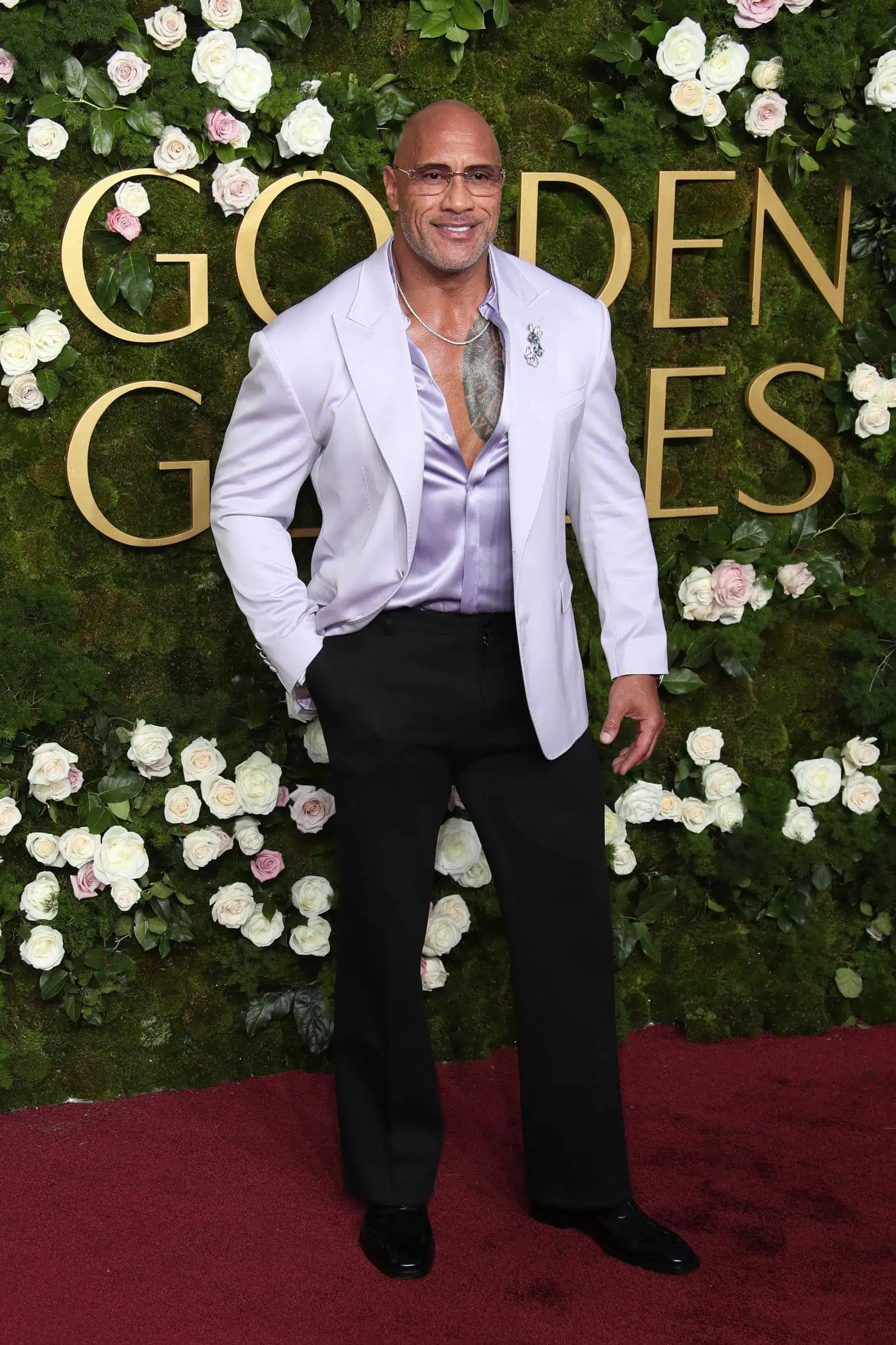
The Smashing Machine premiered on the Lido and prompted an unusually long standing ovation, during which Johnson visibly broke down. Reporters noted the actor’s emotional response alongside praise for a transformation that involved dramatic weight loss and heavy prosthetic work to become MMA fighter Mark Kerr. The visual shock of his leaner frame is not trivial. Johnson has cultivated a superhero body as part of his brand for decades. The new look signals a serious commitment to craft rather than a casual role change.
Industry insiders and festival critics describe the performance as a potential awards turning point. Comments from those at the screening compared the reaction to career-making moments seen at Venice in the past. Johnson’s own words at press events reinforced the point. He framed this phase as an attempt to make films for himself to explore roles beyond the macho action persona that defined his earlier career. That admission shifted the story from physical transformation to intentional career reinvention.
Why Fans Think The Ring Door Has Closed
Wrestling fan forums and sports outlets reacted fast to the Venice coverage. Social posts ranged from stunned congratulations to the resigned acceptance that a long-teased return to the WWE ring may no longer be realistic. Analysts pointed out practical obstacles to a comeback. Johnson’s current workload in Hollywood and his physical changes for the role create a logistical gap between a film star’s life and a pro wrestler who performs weekly and trains for high-impact matches. Emotional cues at the premiere fueled speculation that this is not a temporary detour but a lasting pivot.
Several wrestling news outlets pushed further and argued that even if a one-off appearance happens down the line, it would likely be a special attraction rather than a return to sustained in-ring work. This framing is important because Johnson’s presence in WWE historically functioned as a cultural event. His absence now would shift WWE storytelling away from relying on that unique crossover moment. The business calculus for Johnson is different. Awards season momentum and prestige projects offer long-term brand upside that a handful of stadium dates cannot match.
What This Means for Hollywood and Wrestling
Hollywood has a habit of elevating stars into different categories. Dwayne Johnson already crossed that bridge once when he became a bankable global action hero. This new phase looks like evolution into a performance actor with awards season cachet. Directors, producers and studio leaders will respond to the Venice reaction. Offers for serious dramatic roles and prestige collaborations usually follow visible festival success. The shift could see Johnson selectively choosing film work that highlights range rather than repeat box office formulas.
WWE stands at a different crossroads. The promotion has, for years, benefited from celebrities who create mainstream headlines. The Rock was the blueprint for how a movie star can lift pay-per-view buys and social conversations. His decision to prioritize film craft will prompt WWE creative teams to adapt. The company can still use his presence in storytelling, but should plan for the reality that those appearances will be rarer and more strategic. A long-term absence opens the door for fresh talent to fill the gap and for WWE to reengineer its tentpole events around new kinds of stars.
The Wrestler Turned Actor Who Refuses To Be Boxed In
Career reinvention is a risky move even for a star with Johnson’s commercial leverage. Audiences have nostalgia for the wrestler Dwayne Johnson while studio executives value the guaranteed draw he represents. The tension between those roles has shaped his public statements. He has said he wants to make movies for himself, a line that signals artistic agency over pure commercial chasing. This is a familiar arc for performers who reach a point where legacy matters more than ticket sales. Festival acclaim can catalyze that transition overnight.
Expect a mixed reaction among fans and pundits. Some will champion the move as a mature career decision. Others will lament the loss of a recurrent cultural spectacle. Both positions are defensible because Johnson’s career sits at the intersection of sports entertainment and mainstream cinema. His choices will influence two industries at once. The coming months will reveal whether awards calibration and critical buzz translate into a sustained dramatic phase or whether he balances both worlds in a way that keeps him intermittently visible inside a wrestling ring.
Final Thoughts
Dwayne Johnson’s appearance at Venice felt like more than a promotional stop. The combination of a major physical transformation, an emotionally charged reception, and explicit language about personal artistic goals created a narrative inflection point.
Pro wrestling may still have special dates that feature Johnson. A return as a recurring performer now looks unlikely rather than inevitable. The Final Boss may not be retiring with a formal announcement. Farewell dream matches with the likes of John Cena, Roman Reigns, or Seth Rollins might never happen.
The practical and artistic realities that play out after Venice make it clear that his future will belong to stories told on screen more than to matches fought under the lights.