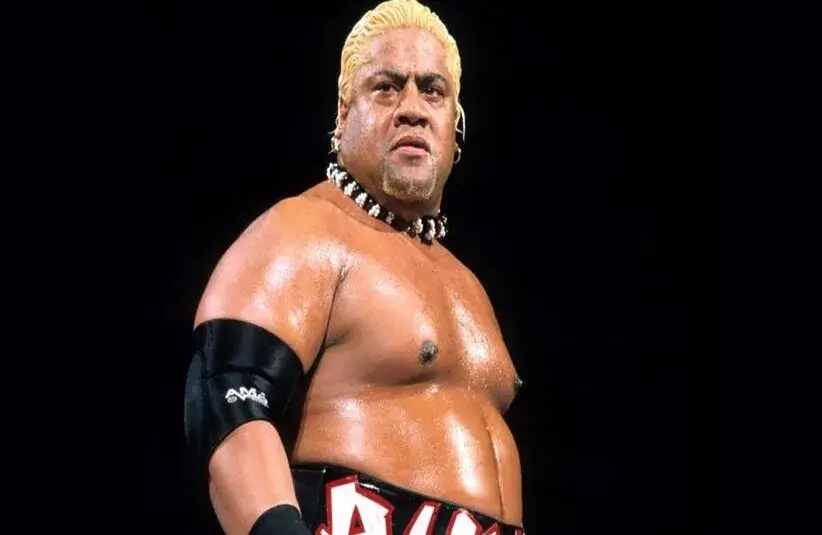
Rikishi Speaks Out: Why WWE Legends Are Losing Ticket Perks

Rikishi is drawing attention after saying he can no longer reliably get complimentary tickets for family members at WWE events. When you think of a WWE Hall of Famer, you probably imagine a lifetime of VIP treatment. Well not with the change in leadership in WWE today. It’s a situation that has sparked a debate among fans and insiders alike about how the industry treats its past stars in an era of record-breaking profits.
The “Lottery” for Nosebleed Seats
Rikishi, a key figure of the Attitude Era and a member of the legendary Anoa’i family, didn’t hold back when describing the current state of affairs. In recent interviews and social media posts, he explained that the old channels for getting family members into the arena have dried up.
Years ago, a simple call to talent relations or a quick word with a backstage contact was usually enough to secure a handful of decent seats. It was an informal courtesy extended to those who had paid their dues in the ring. But according to Rikishi, that system is gone. He noted that even trying to get seats in the upper decks now feels like “hitting the lottery.”
He framed the issue not as a dramatic feud, but as a practical annoyance. He simply wants his family to be able to enjoy the show without paying premium prices—a perk that many assumed was guaranteed for a Hall of Famer. The fact that a name as big as Rikishi struggles to get “comps” (complimentary tickets) highlights a massive change in how the company operates behind the scenes.
From Handshakes to Corporate Policies
To understand why this matters, you have to look at the history of the wrestling business. For decades, the backstage culture relied on a “brotherhood” mentality. If you were one of the boys, you were taken care of. Comps were a way to keep families connected to the business and allow retired talent to share the live experience with their loved ones.
But the WWE of today is very different from the WWE of twenty years ago. As the company has expanded globally, signed streaming deals with Netflix, and merged into a massive publicly traded entity, the “mom and pop” feeling has largely vanished. Ticketing systems are modernized, venues have strict allocation limits, and every seat given away is a seat that isn’t generating revenue.
The Impact on Alumni Relations
Fans have reacted with a mix of sympathy and pragmatism. On one hand, many argue that a multi-billion dollar company can afford to set aside a row of seats for legends. It’s seen as a matter of respect. On the other hand, some point out that in a business environment, everyone pays their way, regardless of their last name or Hall of Fame ring.
However, the “emotional sting” Rikishi describes is real. It raises questions about the long-term relationship between the promotion and its alumni. If a legend of Rikishi’s stature is voicing frustration, it’s highly likely that other veterans are facing the same closed doors.
Is This the New Normal?
This isn’t an isolated incident of friction between talent and management. Over the years, various wrestlers have raised concerns about everything from royalties to healthcare. Rikishi’s ticket trouble fits into a broader pattern of former stars seeking consistent treatment as the industry professionalizes.
So, what happens next? Well, that depends on if more veterans speak up about the changing culture. If enough noise is made, it could force WWE to review its internal policies regarding Hall of Famers. Alternatively, the company may stand firm. As the focus is more on profits and they can’t get over their greed.