Moose Fires Back At Fans After TNA’s 2026 AMC Debut

Professional wrestling has always thrived on the blurred lines between reality and fiction, but the drama following TNA’s recent debut on AMC feels very real. What was supposed to be a celebration of the promotion’s return to a major television platform has morphed into a heated debate about who actually has the right to critique the product.
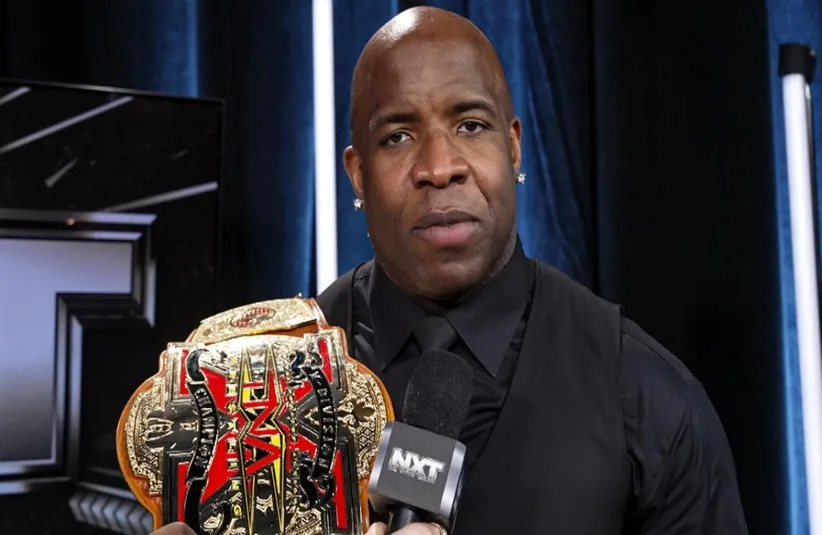
At the center of the storm is Moose, one of TNA’s franchise players. Following mixed reactions to the broadcast, the star took a hard stance against negative feedback from the internet wrestling community. His message was clear: if you haven’t laced up a pair of boots or produced a segment of television, your criticism lacks weight.
This isn’t just a Twitter spat; it highlights a fundamental tension in the sports entertainment industry. As TNA tries to court a mainstream audience on AMC, the reaction from their locker room leaders could determine whether new fans stick around or change the channel.
The Controversy: “Expertise” vs. Fandom
The incident kicked off shortly after the credits rolled on TNA’s AMC premiere. While many diehard fans celebrated the milestone, others were vocal about production hiccups, pacing issues, and specific creative decisions. In the age of social media, this kind of instant feedback is standard for any live sporting event.
Moose, however, wasn’t having it. In a series of comments directed towards youtuber/podcaster JDfromNY206 he argued that public criticism should be reserved for those with “professional expertise” in wrestling production and storytelling.
His argument rests on the idea of context. Moose suggested that the average viewer—or “casual fan”—doesn’t understand the logistical nightmares, timing constraints, and long-term booking strategies that go into putting a live show on air. To him, criticizing the show without understanding the mechanics is like telling a surgeon how to operate based on watching Grey’s Anatomy.
Why The AMC Debut Matters So Much
To understand why tensions are so high, you have to look at the stakes. This AMC deal isn’t just another TV slot; it’s a potential renaissance for TNA. For years, the company has ground it out on smaller platforms, rebuilding its roster and trying to shake off the stigma of past management errors. The move to AMC offers a level of visibility they haven’t had in over a decade.
The stakes are this high, the first impression is everything. When fans point out that the commentary felt flat or the camera angles were distracting, they aren’t just being haters; they are highlighting barriers that might prevent TNA from growing. By the way whatever happened to those Chris Jericho to TNA rumors?
Implications for TNA’s future
The immediate impact of this exchange has been an amplification of the conversation surrounding the debut. Controversy creates cash, as the old adage goes, and Moose has certainly kept TNA in the headlines.
But there is a risk here. If TNA adopts an “us vs. them” mentality regarding their audience, they risk alienating the very people they are trying to win over. Telling potential customers that their opinions are invalid is a dangerous strategy when you are the underdog fighting for market share against giants like NJPW, CMLL, WWE, and AEW.
TNA management has stayed quiet on the issue, choosing to focus on promoting upcoming cards. This is likely the smart move. Getting into a corporate mud-slinging contest with fans rarely ends well. However, behind the scenes, you have to wonder if production trucks are being tweaked based on the very feedback Moose dismissed.
Frequently Asked Questions
What exactly was Moose’s argument?
Moose argued that valid criticism of a wrestling show requires professional experience in the industry.
Has TNA released an official statement?
No. The comments came directly from Moose and were not part of a company press release. TNA as an organization has not addressed the comments publicly, focusing instead on marketing their future programming on AMC.
Will the fan backlash change the show?
While TNA hasn’t publicly admitted to changing course, wrestling promotions constantly monitor ratings and social sentiment. If the ratings dip or specific complaints (like lighting or audio issues) persist, it is highly likely the company will make production adjustments, regardless of whether they publicly acknowledge the fans’ role in those changes.
The Final Bell For Moose’s Comments
Moose’s comments have ripped the bandage off a wound that never quite heals in professional wrestling: the relationship between the performer and the observer.
As TNA continues its run on AMC, the company faces a balancing act. They need to protect their talent and maintain confidence in their creative vision, but they also need to listen. In the sports world, feedback is immediate and often harsh. The franchises that succeed are the ones that can sift through the noise, ignore the trolls, but listen to the genuine concerns of the people buying the tickets.
If TNA wants to turn this AMC opportunity into a long-term victory, they might need to accept that once the bell rings, the show belongs to the fans just as much as it belongs to the wrestlers.