
Why MJF Defending The AEW World Title On Indie Shows Is A Huge Deal

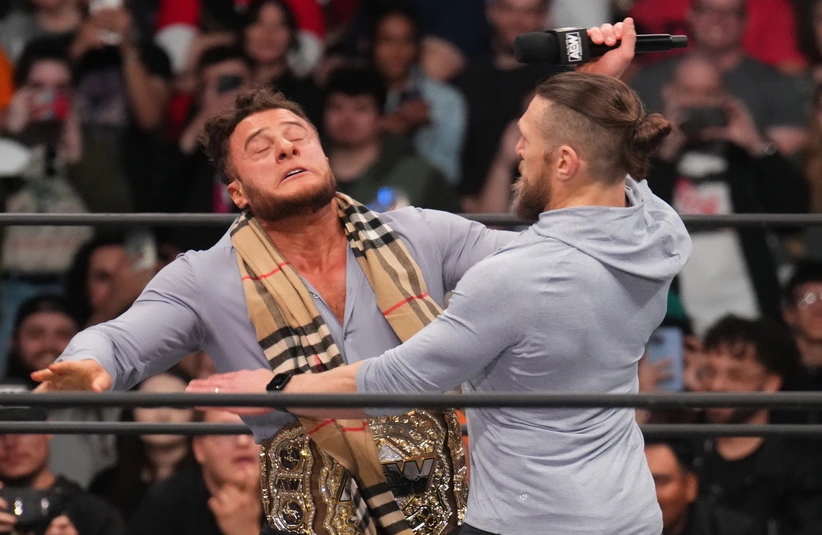
Maxwell Jacob Friedman, known globally as MJF, has always been one of pro wrestling’s most compelling characters. He’s a cocky heel, a master talker, and someone who rarely does anything the easy way. Yet his latest storyline has broken out of the usual AEW boundaries and taken the wrestling world by surprise.
This year, after winning the AEW World Championship for the second time at Worlds End 2025, MJF didn’t just settle into the standard TV schedule of defending on Dynamite or Collision. Instead, AEW’s creative team and MJF himself have built a narrative around the champion defending his title on independent wrestling shows. That includes the recent Limitless Wrestling event, where MJF successfully retained against Alec Price in front of an enthusiastic indie crowd.
By doing this, he’s harkening back to a model of old, where champions would literally travel the world, defending their prize everywhere they went. Similar to legendary wrestling names like Ric Flair, Harley Race, and Buddy Rogers. MJF even went on record comparing himself to those icons, insisting that his choice to defend on indies deserves the same level of reverence those touring champs once commanded.
This claim has opened up a whole new conversation about what a world champion should be in 2026. Is this genius long-term storytelling? A splashy publicity stunt? Or something in between? Fans and pundits are split.
The Old Touring Champion Model Versus Modern Wrestling Reality
To understand why this storyline is such a hot topic, it helps to look at what MJF is really saying with it. Back in the days of the NWA World Heavyweight Championship, wrestlers like Ric Flair and Harley Race were true traveling champions.
They didn’t just defend their title once a week on television. They traveled the globe, competing in multiple territories, giving local stars a chance to shine and drawing heat wherever they appeared. That model meant that if you were a fan in Kansas City or Memphis or Detroit, you could see the world champion live. It built mystique and made those title defenses feel monumental.
MJF’s storyline leans heavily on that historic prestige. He has openly claimed that defending in front of “real wrestling crowds” and not just on weekly televised shows makes him more legitimate and better than those who came before him.
Here’s where things get complicated. Modern wrestling is structured around major televised programming (in AEW’s case, Dynamite, Collision, Rampage, and big PPVs). Wrestlers wrestle a handful of times a month, not five or six nights a week. There’s travel, celebrity appearances, contracts, media obligations, and backstage commitments.
That makes a true “touring champion” like the old NWA days nearly impossible in today’s wrestling business. That’s why many fans online have pointed out that while MJF’s claim sounds cool, what he’s doing is technically not the same as legends like Flair or Buddy Rogers.
Instead, they argue it’s more akin to champions in WWE or other companies making rare house show appearances with the title. Those discussions have become a big part of the debate around this storyline. With some fans saying MJF’s claim is overblown narrative bravado, and others saying the comparison finally gives AEW a champion who feels global and unpredictable.
How This Storyline Has Been Integrated Into AEW’s Ongoing Narrative
The indie title defenses aren’t being shoehorned in as a one-off stunt. AEW has actually integrated the concept into broader storylines and character arcs in a way few expected. After capturing the title at Worlds End, MJF’s first successful defense came on Dynamite.
Maximum Carnage, where he defeated ROH World Champion Bandido in a match that fans widely praised for its intensity. That alone set the stage for a big champion, but then he followed it up days later with an indie defense against Alec Price.
At Limitless Wrestling’s Limitless Rumble 2026, MJF not only defended his title but also used the platform to announce new AEW signings. Both Price and his partner Jordan Oliver were given contracts on the spot. Turning what could have been a simple indie match into a bridge between AEW and the wider wrestling ecosystem.
This creative use of the title on independent cards has a dual purpose: It reinforces MJF’s self-proclaimed image as a larger-than-life champion who makes stars anywhere he goes. It also bolsters AEW’s brand by using non-AEW platforms to tease new talent and get eyes on the company.
That’s not just storytelling on television. That’s extending the narrative into the real world in a way few modern wrestling angles try these days.
Fan And Industry Reaction Has Been Everything But Subtle
The reaction online has run the gamut. Supporters argue this is bold and innovative. They see MJF defending outside traditional programming as a way to elevate the championship’s mystique.
Similar to how AWA or WWF champions sometimes traveled back in the day. They praise AEW for blending kayfabe and reality in a way that feels fresh and unpredictable. Critics are harsher. Many feel the comparison to Ric Flair, Harley Race, and Buddy Rogers is historically inaccurate given how infrequently MJF actually wrestles compared to those legends.
They also point out that most indie defenses are rare appearances, rather than consistent touring, observing that the landscape of pro wrestling today is simply different. Some fans even argue that these indie appearances risk overexposing the title or undermining the prestige of AEW’s own weekly television presentation.
They worry that if MJF is seen too often outside AEW’s core shows, the impact of world title defenses on Dynamite and Collision could be diminished. Even more controversial was a reported incident at one indie appearance where MJF got into a confrontation with a fan, leading to security intervention. That one isolated moment added fire to criticisms that this experimental approach could backfire if not handled carefully.
What This Means For AEW’s Champion And The Future Of The Title
One thing is clear: AEW is leaning into this narrative unapologetically. MJF’s decision to defend on independent cards isn’t an accident. It’s part of a broader character arc designed to set him apart from other world champions in wrestling today.
AEW wants you talking about the champion between shows, not just during them. Looking ahead, this creative direction could lead to several possibilities: new rivalries born from indie matches; MJF might face challengers on non-AEW shows who could someday cross over to television.
More indie partnerships: AEW could use this model to broaden its reach into the wider wrestling scene. A deeper legend comparison: If this story continues successfully, MJF might solidify himself not just as AEW’s face of the company but as its most globally recognized champion. Whatever happens, one thing is certain: this isn’t a short-sighted angle. It’s a storyline built to spark debate, draw eyes to AEW and indie shows, and make MJF feel like a worldwide force in wrestling.
Final Thought
Pro wrestling thrives on controversy. Great champions are not just defined by who they beat, but by the stories that surround their reign. MJF defending his AEW world title on independent shows may be one of the boldest narrative experiments in recent memory. It bridges the gap between wrestling’s past and present, while forcing fans to reconsider what a champion can be in an era of televised dominance.
