Dana White Explains Why UFC Will Never Be a 9 to 5 Job

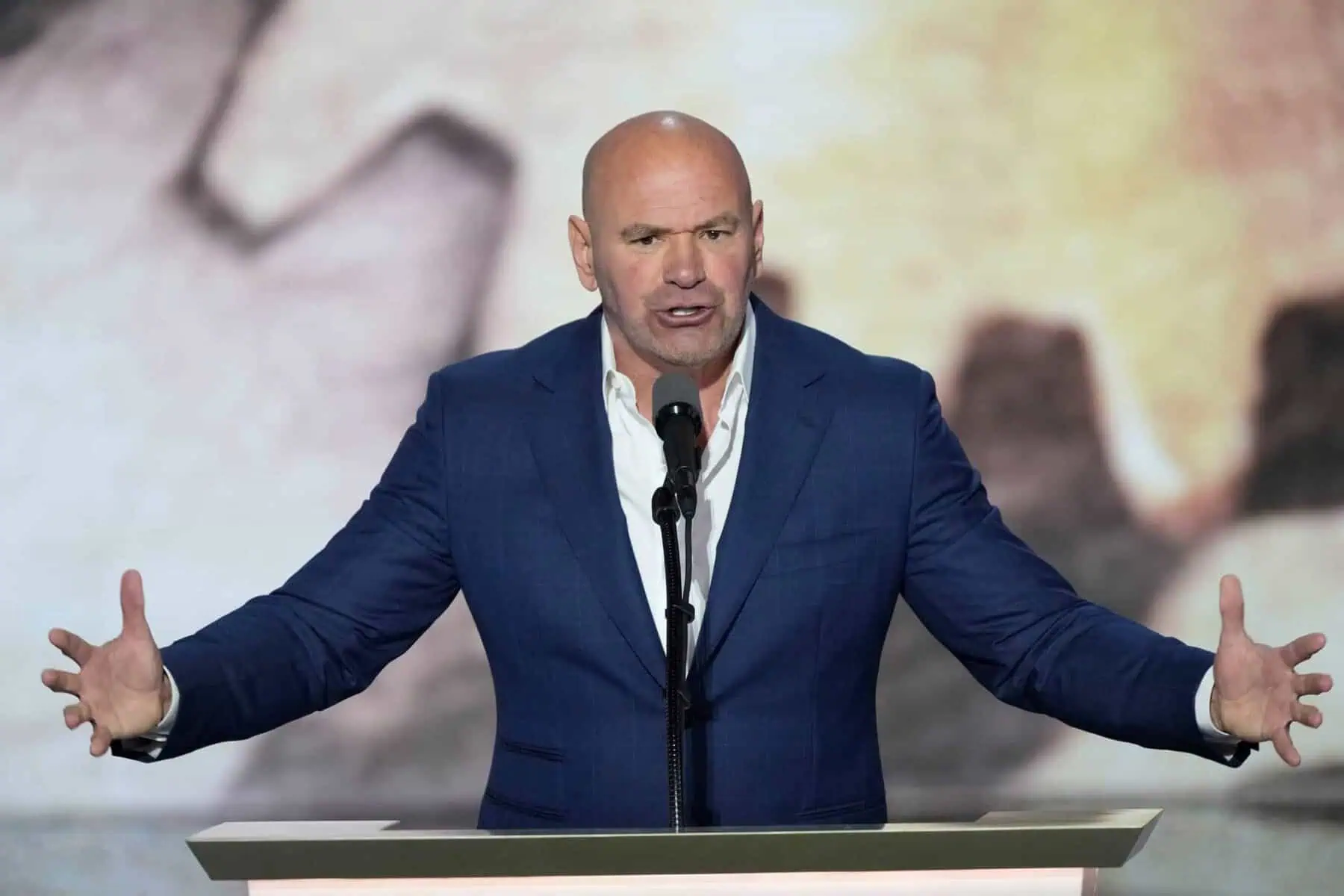
Dana White has never been a corporate clock watcher. His recent voice on Cutler Cast made that crystal clear. He chuckled at the idea of a nine-to-five shift where someone gets written up if they show up three minutes late. His message was clear: “Get your work done. I don’t care if it happens at nine in the morning or nine at night.”
That spirit reflects exactly how the UFC runs, on results, not attendance. Fighters like Islam Makhachev, Leon Edwards, and Conor McGregor understand that results come from grinding work, not showing up at a set time on a clock. Same goes for the staff behind scenes, White gives them the autonomy to deliver within their own rhythms.
Trust plays a huge role here. Treating people like adults builds a sense of ownership. When you feel trusted, you work harder. That attitude helped the UFC evolve from a fringe promotion in the early 2000s into a global powerhouse worth billions.
Family Comes First
One of the most refreshing lines from White was when he talked about personal life: “If your kid has a play, a practice or a game, I hope you’re there.” He wasn’t echoing a typical corporate buzz-phrase. He meant it.
People at all levels, whether they’re in the front office or in the Octagon, have lives outside work. Those moments matter. Alexander Volkanovski often credits his family for keeping him focused amid brutal fight camps. Khabib Nurmagomedov walked away from the sport to honour a promise to his mother after losing his father. White is aligning the company culture with those deeply held values of its fighters.
Building Growth Instead of Punishment

Dana White summed it up best: “We run a completely different kind of business.” The company focuses on innovation, not inflexible rules or disciplinary write-ups.
The biggest sign of that is the new seven-year, $7.7 billion media rights deal with Paramount and CBS, starting in 2026. Under that deal, UFC will stream all 13 numbered events and 30 Fight Nights annually on Paramount+, with select events also simulcast on CBS. This marks a clear break from the old pay-per-view structure.
Fans in the U.S. will no longer pay around $80 per major fight. A Paramount+ subscription (currently ranging from $7.99 to $12.99 per month) will get them access to every event. That shift not only gives fans better value but also opens up UFC to a wider audience.
Industry insiders point out that Paramount+ currently has around 77 million subscribers. Shifting away from pay-per-view could dramatically expand UFC’s reach and make the brand more accessible.
Loyalty at the Core
Loyalty is another value that White takes seriously. When Joe Rogan faced pressure to be pulled from UFC broadcasts, White defended him fiercely, making it clear that Rogan was part of the UFC family. That kind of loyalty sends a message, if you’re with us, we’re with you.
Yes, fighters can be cut if results aren’t there. Still, there’s a difference between consequences based on performance and disloyal behavior. White has built a culture where commitment is noticed and rewarded.
Final Thoughts
Dana White’s UFC is not about clocking in, it’s about getting the job done. He trusts his team, values their lives outside of work, and pushes toward growth instead of punishment. The new $7.7 billion Paramount deal is a reflection of that culture, bold, fan-friendly, and forward-thinking.
In a world where so many organisations still cling to outdated models, UFC stands out. Fighters like Conor McGregor and Islam Makhachev thrive in a system built on trust and flexibility. The staff know they’re treated as professionals, not just shift workers.
The disrespect for rigid structures and emphasis on people, results, and innovation have helped shape UFC into one of the most dynamic sports organisations in the world, and that’s a culture many workplaces could learn from.