
Colby Covington Drops a Bomb On UFC Fighter Pay

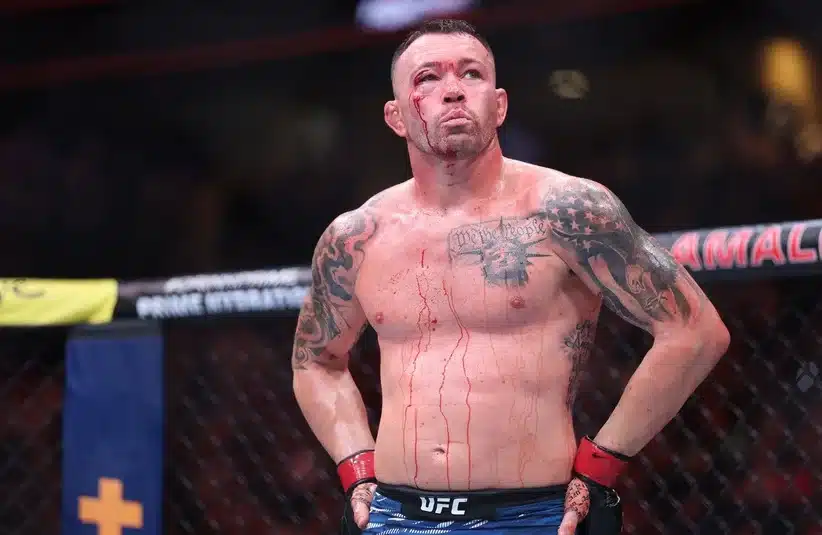
Getting punched in the face for a living is not a normal career choice. It requires a level of grit, insanity, and undeniable toughness that most of us sitting on our comfortable couches simply do not possess. So, when the guys and girls stepping into the cage start talking about the size of their paychecks, it’s usually a good idea to listen. Enter Colby Covington.
Love him or hate him. He’s made a very lucrative brand out of making sure you feel strongly one way or the other—Covington is currently shining a massive, uncomfortable spotlight on the UFC’s business practices.
Recently, the outspoken welterweight contender grabbed the mic to air some serious grievances. He didn’t just target his upcoming opponents; he took aim directly at the UFC brass. The crux of his argument? The promotion is strong-arming fighters into taking bouts they have zero interest in, all while writing checks that don’t reflect the blood left on the canvas.
The Core Issue: Covington vs. The Matchmakers
If you follow mixed martial arts, you know the drama outside the cage is often just as violent as the action inside it. Covington recently went on the offensive during a string of media appearances, accusing UFC matchmakers of forcing fighters into corners. He argues that athletes are routinely pressured to sign on the dotted line for matchups that make zero sense for their careers or their bank accounts.
When Covington speaks, people listen—even if they are rolling their eyes while doing so. He pointed directly to massive potential blockbuster fights, dropping names like Islam Makhachev and Ilia Topuria.
According to Covington, a superfight involving these top-tier champions easily generates north of $5 million in revenue. Yet, the guys actually absorbing the leg kicks and taking the elbows to the forehead see only a fraction of that cash. It’s a mathematical discrepancy that is starting to rub a lot of world-class athletes the wrong way.
The Almighty Dollar: Why UFC Fighter Pay Remains a Battleground
This isn’t exactly a new narrative, but Covington adds a fresh, highly visible layer of urgency to the mix. The UFC is an absolute juggernaut, pulling in billions of dollars and securing massive broadcasting deals. Yet, the conversation around fighter compensation feels like a broken record.
Think about the sheer human emotion involved here. These athletes sacrifice their bodies, endure brutal weight cuts, and spend months away from their families in grueling training camps.
To step into the bright lights and realize you are taking home pennies on the corporate dollar is a bitter pill to swallow. Covington is tapping into that exact frustration. While the UFC points to performance bonuses and the prestige of the brand, fighters are looking at their counterparts in boxing—or even mid-level players in the NBA, and wondering where their slice of the pie went.
How Covington Joins the Ranks Of Disgruntled Stars
Covington is far from the first high-profile name to rock the boat. Remember Francis Ngannou? The heavyweight powerhouse literally walked away from the premier organization in MMA to lace up boxing gloves, specifically because he wanted financial freedom and respect. Jon Jones, arguably the greatest talent to ever set foot on the mat, spent years locked in bitter contract disputes over his perceived value.
What makes Covington’s current crusade interesting is his focus on the intersection of matchmaking pressure and pay. He’s arguing that not only are fighters underpaid, but they are also stripped of their autonomy.
The Ripple Effect: What This Stance Means For the Sport
So, what does this all mean for the sport we can’t stop watching? For the fighters, Covington’s vocal stance might just be the gasoline needed to spark a bigger fire. When a former interim champion speaks out, it emboldens the rookies and the veterans alike. Whispers of unionization and collective bargaining—long considered dirty words in the MMA sphere—are getting louder.
For the fans, it adds a layer of harsh reality to the Saturday night spectacle. It’s easy to cheer for a knockout; it’s harder to stomach the idea that the winner might be struggling to pay their coaching staff.
FAQ Section
Q: What did Colby Covington say about the UFC?
A: He accused the promotion of forcing fighters into unwanted matchups and criticized its pay structure.
Q: Who else was mentioned in his comments?
A: Covington referenced Islam Makhachev and Ilia Topuria, suggesting fights with them could generate millions.
Q: Why is this news important?
A: It highlights ongoing concerns about fighter compensation and contractual fairness in the UFC.
Q: What are the next steps?
A: Covington’s future negotiations and the UFC’s response will determine whether his criticisms lead to change.
What’s Next For the Outspoken Contender?
The ball is firmly in the UFC’s court. Historically, the promotion doesn’t take kindly to public demands, preferring to handle business behind closed doors. But Covington is a needle-mover. Whether he actually secures the lucrative, high-stakes matchups he is demanding remains the million-dollar question.
One thing is certain: Covington has never been afraid to play the villain. But if his current crusade results in better pay and more rights for the men and women bleeding in the octagon, he might just mess around and become the hero the fighters didn’t know they needed.
