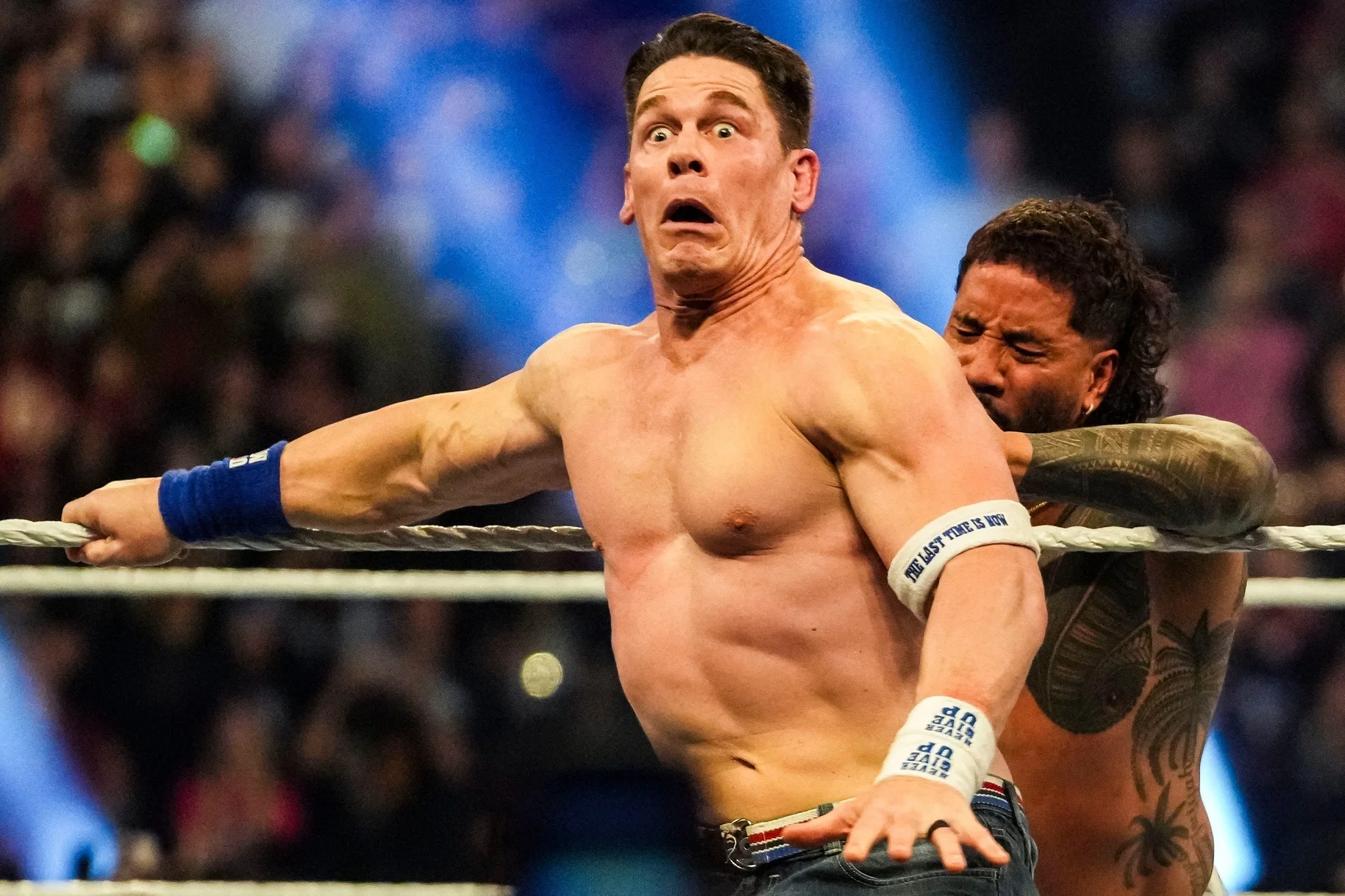
John Cena Finally Explains That Controversial Tap Out (And It Actually Makes Sense)

Look, we need to talk about John Cena. Specifically, we need to talk about that ending at Saturday Night’s Main Event. You know the one. The moment the “Never Give Up” guy… gave up.
If you were anywhere near the internet after Cena’s retirement match against GUNTHER, you saw the meltdown. The 16-time World Champion, the man whose entire brand is built on superhuman resilience, fading out in a sleeper hold and actually tapping out? It felt wrong. It felt anti-climactic. For a lot of fans, it felt like a betrayal of twenty years of marketing. “Hustle, Loyalty, Respect” doesn’t usually come with a side order of “submit to the Austrian Powerhouse.”
But hold your outrage for a second, because Cena finally opened up about why he went out that way, and honestly? It’s heartbreakingly poetic.
The “Never Give Up” Paradox
Speaking on Cody Rhodes’ podcast What Do You Wanna Talk About?, Cena dropped the character shield and got real about those final seconds. And if you thought he was just doing “business as usual,” putting over the new guy, you’re missing the point entirely.
Cena compared the end of his career to the end of a life. Yeah, it got deep. “I envisioned something beautiful,” Cena told Rhodes. And despite the internet rage, Cena thinks he got exactly that. He described the match not as a fight he lost, but as a struggle to hang on just long enough to say goodbye.
He painted this vivid picture of the final moments: “As I essentially take my last breath, I have struggled… they hang on just long enough to say goodbye to everybody that’s been meaningful in their lives.”
That’s the kicker, isn’t it? We’re so used to Cena the Superhero, the guy who powers out of everything at the count of 2.9. We wanted him to go out swinging, maybe losing by a hair, but definitely not quitting. But Cena wasn’t playing a superhero in that ring against GUNTHER; he was playing a man realizing his time was up.
A Peaceful “Death” in the Ring
Cena’s explanation recontextualizes the whole thing. He wasn’t quitting because he was weak; he was letting go because he was done.
He noted how rare the atmosphere was—the crowd universally cheering him while absolutely loathing GUNTHER. “That is f**king rare,” he noted, with that classic Cena self-awareness. For five minutes in that sleeper hold, he wasn’t fighting to win; he was having a final conversation with the audience.
“I’ve connected with everybody I love. Physically, I feel great. I think it’s time to take that last breath,” Cena explained. He compared it to reading an obituary that says someone died peacefully. “The bottom of the t-shirt says ‘I gave everything, thank you for everything’. And that was that going peacefully.”
There’s a devastating sort of beauty in that. The man who spent two decades fighting every single odd finally realized he didn’t need to fight anymore. He had said his goodbyes. He had made his peace. The tap wasn’t a submission to GUNTHER as much as it was a submission to time itself.
Why Fans Are Still Mad (And Why They’re Wrong)
I get the anger. I really do. When you invest years in a character who defines resilience, watching him smile while fading out in a submission hold feels jarring. It feels like the writers room fell asleep at the wheel.
But isn’t that just our own selfishness talking? We wanted the explosive finale. We wanted the Attitude Adjustment off the top rope. We wanted the Hollywood ending. Instead, Cena gave us something far more human: acceptance.
We often forget that wrestling is storytelling first, athletics second. Cena has always been a master storyteller. By tapping out, he did the one thing John Cena never does. It was the only way to signal that this wasn’t just another loss he’d bounce back from on Monday Night Raw. This was final. The superhero finally took off the cape.
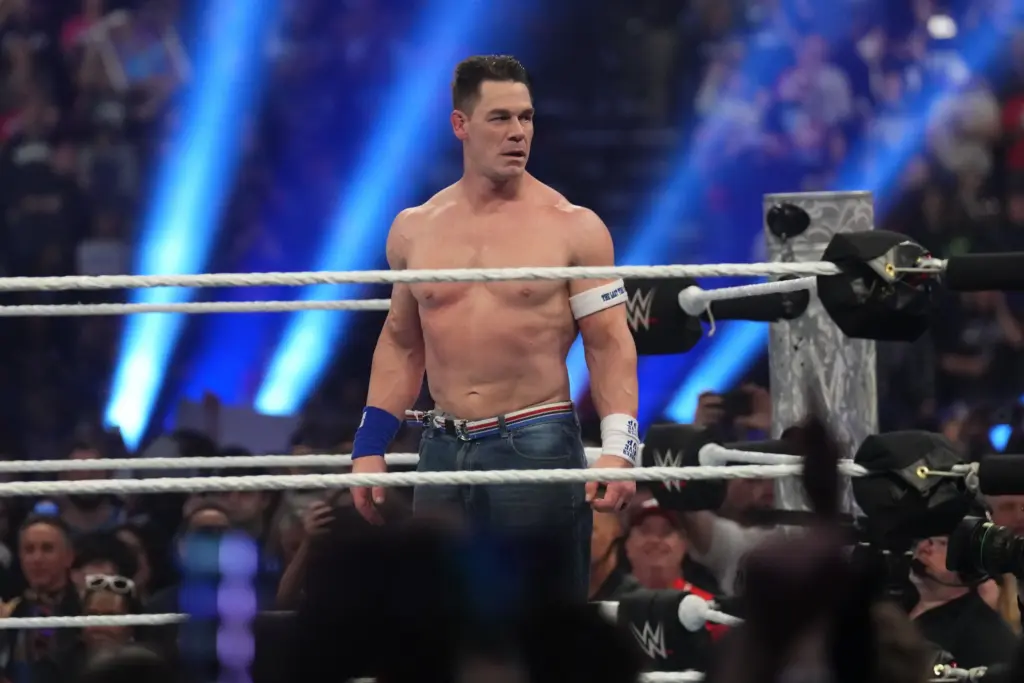
The Legacy of the Tap
In the end, this match is going to be debated for years. Some will always see it as a weak exit for the GOAT. Others will see it as the ultimate rub for GUNTHER (which, let’s be honest, it absolutely was).
But after hearing Cena explain it? It’s hard not to see the artistry. He didn’t go out on his shield; he went out on his own terms. He chose to stop fighting because he had nothing left to prove.
So, yeah, the “Never Give Up” guy gave up. But maybe, after twenty years of carrying the company on his back, he earned the right to finally put the burden down and just rest.
Goodbye, John. And thanks for the memories (even the ones that made us mad).