
From Boycott to Blockbuster: Pakistan Greenlights T20 Clash with India

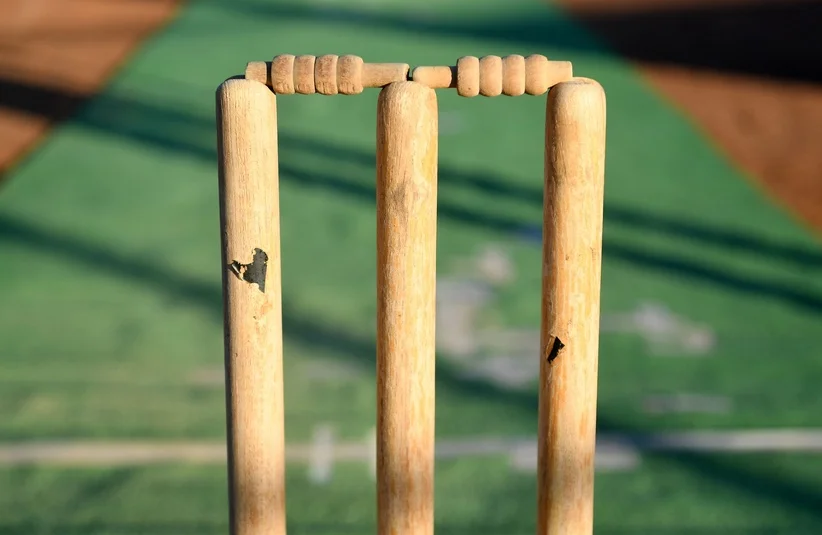
The biggest game on the cricket calendar is back on. After days of high-stakes diplomatic poker that left the cricket world holding its breath, the government of Pakistan has officially reversed its decision to boycott the marquee India vs. Pakistan showdown at the 2026 ICC Men’s T20 World Cup.
The blockbuster fixture, slated for February 15 at the R. Premadasa Stadium in Colombo, Sri Lanka, had been in serious jeopardy following a week of political maneuvering and administrative chaos. But late last night, the deadlock broke. The Pakistan Cricket Board (PCB), with the green light from Prime Minister Shehbaz Sharif, confirmed the Men in Green will indeed take the field against their arch-rivals.
For fans, broadcasters, and the ICC, it’s a collective exhale. For the sport, it’s another reminder that in South Asia, cricket is never just cricket.
A Week of Uncertainty
To understand the relief, you have to look at the tension that preceded it. The drama started when the Bangladesh Cricket Board (BCB) refused to travel to India—a co-host of the tournament—citing safety and political concerns. The ICC responded by removing Bangladesh from the bracket and slotting in Scotland.
That move didn’t sit well in Islamabad. In a show of solidarity with Bangladesh (and reflecting their own strained cricketing ties with India), Pakistan announced a boycott of the match against India. It was a massive gamble that threatened to derail the commercial viability of the entire World Cup.
The last few days have seen frantic back-channel negotiations. The ICC, Sri Lanka Cricket, and even the BCB urged Pakistan to reconsider. Ultimately, the pressure—and perhaps the realization that the game is bigger than the politics—won out.
Why This Reversal Matters for Pakistan
This decision isn’t just about showing up; it’s about Pakistan asserting its place at the global table. By agreeing to play, the PCB avoids potential sanctions from the ICC and ensures their team remains in contention for the trophy.
Former England captain Michael Vaughan weighed in on the development, suggesting this could be a turning point. “It’s a massive win for the game,” Vaughan noted. He even hinted that this resolution might crack the door open for resuming bilateral Test series between the two nations at neutral venues like the UK—a dream scenario for purists who haven’t seen the two sides play a Test match in nearly two decades.
The BCCI Reacts
Across the border, the response has been cautiously optimistic. Rajeev Shukla, Vice-President of the Board of Control for Cricket in India (BCCI), credited the ICC for navigating the minefield.
“Cricket should always rise above politics,” Shukla said in a statement this morning. It’s a sentiment often repeated, though rarely practiced in this rivalry. However, the BCCI’s positive reaction suggests that, at least for this tournament, the hatchet is buried.
The Stage is Set in Colombo
With the politics (mostly) out of the way, the focus can finally shift to the 22 yards in the middle. The R. Premadasa Stadium is expected to be packed to the rafters on February 15.
Both teams are now scrambling to finalize logistics. Security in Colombo—already tight—will be fortress-like. The players, who have had to watch this play out in the headlines, now have less than a week to mentally switch gears from “will we play?” to “how do we win?”
For Pakistan, the challenge is immense. The uncertainty of the last week is hardly ideal preparation for a high-pressure game against India. But if history has taught us anything about Pakistan cricket, it’s that they are often at their most dangerous when their backs are against the wall and chaos surrounds them.
FAQ Section
Q: What happened in the India vs Pakistan T20 World Cup dispute?
A: Pakistan initially announced a boycott but later reversed its decision after ICC negotiations.
Q: Who is involved in the resolution?
A: ICC, PCB, BCCI, BCB and the Government of Pakistan.
Q: Why is this news important?
A: India vs Pakistan matches are among the most watched sporting events globally, and political disputes threatened to derail the fixture
What’s Next?
The Bangladesh issue remains a separate sidebar Scotland is in, and the Tigers are out but the main event is secure.
The rivalry that stops nations is back on the schedule. The boycott is off. The hype machine can restart. Then on February 15, the only thing that will matter is bat against ball.
