
UNC-Head Coach Hubert Davis Discussing Future With Program

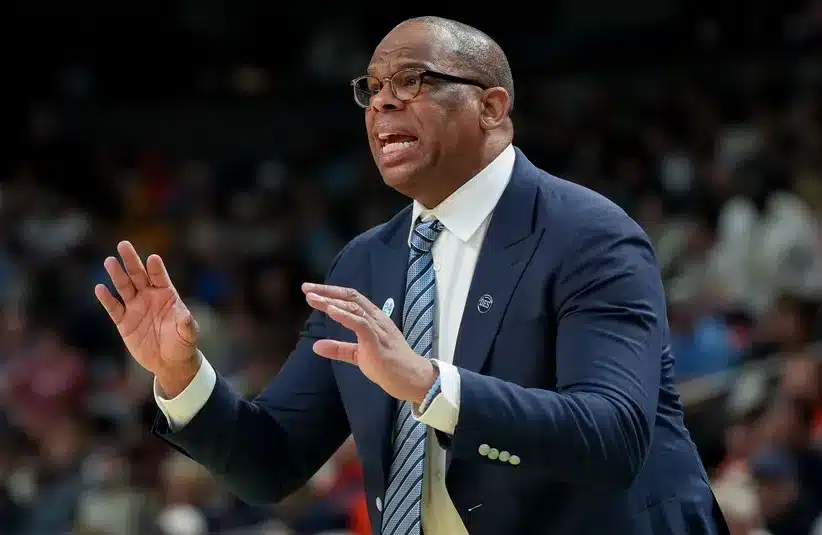
There is a specific kind of silence that falls over Chapel Hill when the Tar Heels suffer a premature exit in March. It is a mix of disbelief, heartbreak, and eventually, outrage. But following North Carolina’s devastating first-round NCAA Tournament loss to VCU, that silence has been replaced by a deafening roar for change. At the center of the storm is Head Coach Hubert Davis, whose future with the program is suddenly, and jarringly, hanging by a thread.
Blowing a 19-point lead in the second half to an 11-seed is the kind of disaster that leaves permanent scars on a blue-blood program. The Tar Heels led for nearly 35 minutes. They dominated the glass. They went into the locker room at halftime up by 11. And then, in a second-half and overtime collapse that will haunt Tobacco Road for years, they were outscored 54-39. The 82-78 defeat wasn’t just a loss; it was the largest blown lead in the first round in the history of March Madness.
A Historic Collapse That Broke the Camel’s Back
When Davis sat at the postgame podium, he looked like a man who had just watched his house burn down. He appeared sour, agitated, and deeply sad. “I’m just not there right now,” Davis muttered when asked about big-picture questions regarding his job. “Just really sad that we’re not continuing to play and to move forward.”
You have to feel for the guy on a human level. Davis loves North Carolina. He bled Carolina blue playing under the legendary Dean Smith from 1988 to 1992. He took over for Roy Williams in 2021 and immediately guided an 8-seed to the national championship game in 2022. But college basketball is a ruthless, results-driven business, and nostalgia doesn’t pay the bills.
Despite an overall record of 125-54 across five seasons, the trend line is terrifying for UNC fans. The year after that magical 2022 run, they became the first preseason No. 1 team to miss the tournament entirely. Now, they have suffered back-to-back first-round exits. Yes, missing projected top-five NBA pick Caleb Wilson for the final nine games due to a thumb injury was a massive blow. But fair or not, blowing a 19-point lead to VCU is the only thing boosters are thinking about this morning.
The Buyout and the Booster Rebellion Against Davis
If you want to know how hot the seat is, just follow the money. Athletic Director Bubba Cunningham has publicly stated that the administration is evaluating all aspects of the program. Behind the scenes, the situation is even more volatile. ESPN’s Pete Thamel reported that the status of Davis is “squarely in flux,” with discussions happening behind closed doors.
Here is the financial reality: Davis has a contract running through 2030, and firing him would trigger a buyout of just over $5.3 million. In the grand scheme of major college athletics, that is pocket change. The bigger financial crisis is coming from the boosters. According to reports, key donors have completely lost faith in the program’s direction.
In the modern era of NIL (Name, Image, and Likeness), you need booster money to fund a competitive roster. If the boosters close their checkbooks because they don’t believe in Davis, North Carolina basketball effectively goes bankrupt on the recruiting trail.
What Happens Next For Davis and the Tar Heels?
So, how does this end? According to insiders, you shouldn’t expect Davis to be abruptly fired in a cold, corporate press release. He is a Carolina legend, and any departure would likely be framed as a mutual parting of ways to protect his legacy.
If UNC decides to retain him, Thamel suggests it will come with a massive mandate to clean house, requiring Davis to fire his current staff and bring in a brand new slate of assistant coaches. But if the administration pulls the plug entirely, we are looking at a monumental shift in the college basketball landscape. For the first time in 74 years, North Carolina would likely go outside the insular “Carolina Family” to find its next head coach.
Players like Seth Trimble have publicly defended their coach. “Everybody has their flaws,” Trimble noted. “He’s a coach who’s made me better… He’s shown that he can win here.” But in Chapel Hill, winning in December isn’t enough. You have to win in March. Right now, Davis is finding out just how unforgiving the month of March can truly be.
