Army Black Knights Storm Back to Defeat UAB 31-13 with Solid Second Half

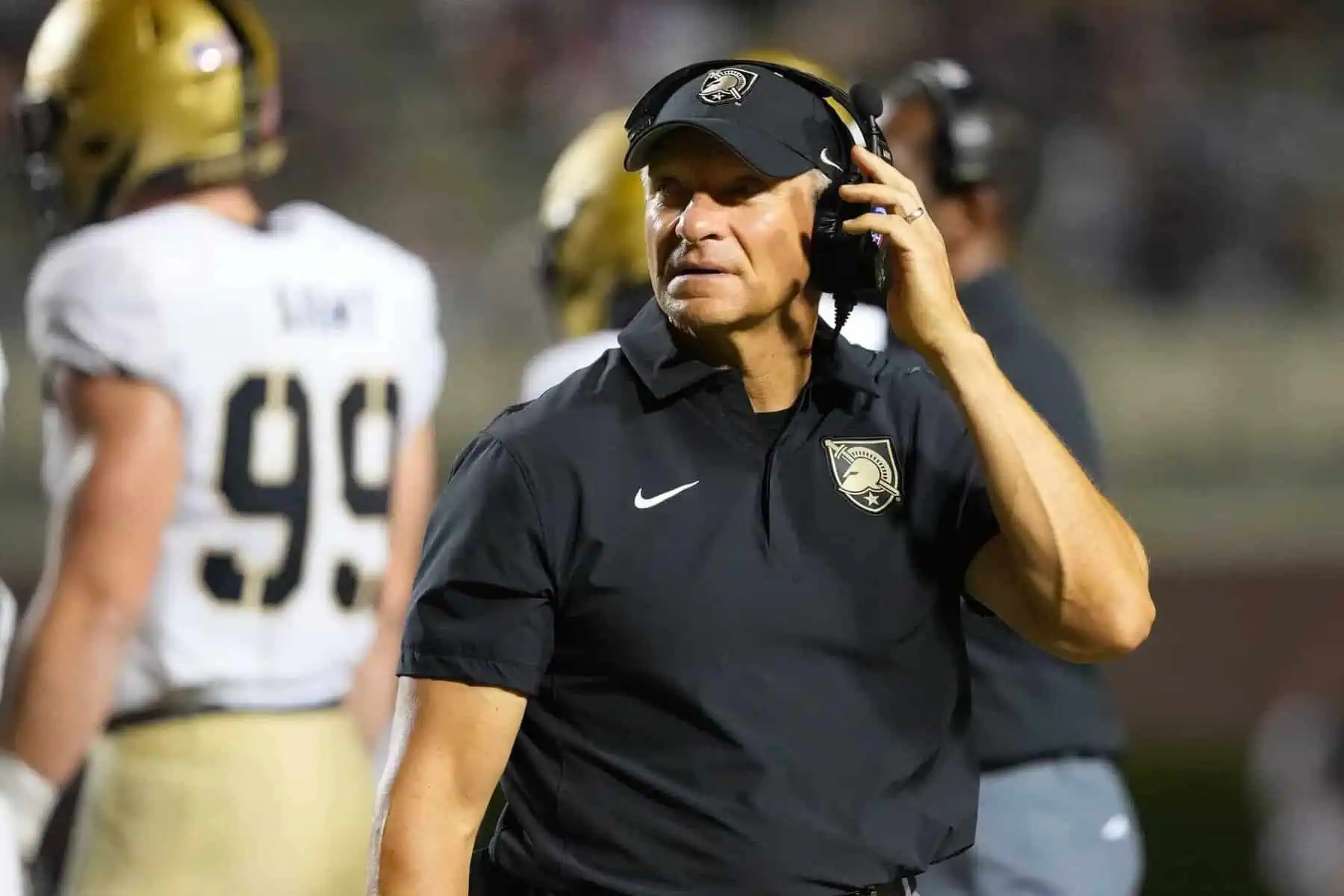
The Army Black Knights walked into Birmingham’s Protective Stadium on Saturday afternoon needing something—anything—to spark their struggling season. What they found was exactly what coach Jeff Monken had been preaching all year: grit, determination, and the kind of second-half explosion that reminded everyone why you never count out the Black Knights.
Army’s Ground Game Takes Control
When the dust settled on this American Athletic Conference showdown, it was Cale Hellums and the Army rushing attack that had completely demoralized UAB. The Black Knights pounded out 247 yards on the ground, turning what started as a defensive struggle into a statement victory that could very well be the turning point of their season.
“You could see it in their eyes at halftime,” said one Army assistant coach who requested anonymity. “Our guys knew they had more left in the tank.”
The numbers tell the story of dominance. Hellums finished with 81 yards rushing and three touchdowns—all coming in the second half when his team needed him most. But it wasn’t just about individual statistics. This was about a team that looked lost through the first two quarters suddenly remembering who they are.
Second Half Surge Changes Everything
The transformation was nothing short of remarkable. After managing just 10 points in the first half, Army exploded for 21 points in a decisive second half that left UAB reeling. The Blazers, who had matched Army’s energy and execution for 30 minutes, simply couldn’t keep up with the relentless ground attack that defines Black Knights football.
Hellums’ three second half rushing touchdowns weren’t just scores—they were statements. His first came after an 80-yard drive that showcased Army’s methodical, punishing style. The 5-yard plunge was the culmination of a drive that wore down UAB’s defense and announced that the real Army had finally shown up.
The second touchdown, a 1-yard dive, came after Gavin Shields picked off UAB quarterback Jalen Kitna and returned the interception 21 yards to set up Army in prime scoring position. That turnover exemplified the kind of opportunistic defense that championship teams display when games hang in the balance.
UAB’s Offensive Struggles Prove Costly
For UAB, this loss stings in ways that go beyond the final score. The Blazers entered this game with Kitna ranking fifth nationally in passing yards per game (315) and third in completions (27 per game) while completing an impressive 72% of his attempts. On paper, this looked like the kind of matchup where UAB’s aerial attack could exploit their opponent’s ground-heavy approach.
Instead, Army’s defense rose to the occasion in ways that will have AAC opponents taking notice. They limited Kitna to 24 completions on 42 attempts for 259 yards—solid numbers for most quarterbacks, but well below the elite production UAB had grown accustomed to.
“We knew we had to make him uncomfortable,” explained Army defensive coordinator Nate Woody after the game. “When you take away a quarterback’s rhythm, everything else falls apart.”
The Ground Truth About Army Football
What made this victory particularly satisfying for Army was how they imposed their will through traditional Black Knights football. While the college football world continues its love affair with spread offenses and explosive passing games, Army proved that old-school fundamentals still matter.
Hayden Reed complemented Hellums perfectly, contributing 54 yards rushing and a crucial 3-yard touchdown run that capped an 18-play, 74-yard drive taking over 10 minutes off the clock. That drive wasn’t just about scoring points—it was about sending a message. When Army controls the ball for that long, opposing defenses start breaking down both physically and mentally.
The most telling statistic might be Army’s passing numbers: just 48 yards on 2-of-5 attempts. In an era where teams throw the ball 40 times per game, Army reminded everyone that you don’t need flashy statistics to win football games. You need execution, physicality, and the kind of mental toughness that comes from months of grueling preparation.
Looking Forward: Conference Implications
This victory moves Army to 2-3 overall and 1-2 in AAC play, keeping their bowl hopes very much alive. More importantly, it demonstrated the kind of second-half adjustments and clutch execution that could make them a dangerous opponent down the stretch.
For UAB, falling to 0-2 in conference play creates an uphill battle in what many consider the most competitive Group of Five conference in college football. The Blazers showed flashes of their potential, particularly in that impressive 90-yard second-quarter scoring drive, but couldn’t sustain that level of execution against Army’s suffocating ground game.
The AAC race remains wide open, with Navy leading the way at 3-0 in conference play. But games like Saturday’s serve as reminders that any team can beat any other team on any given Saturday—especially when that team happens to be Army playing their brand of football.