
Survival Mode: How Casey Wasserman Held Onto the LA28 Chair Despite the Noise

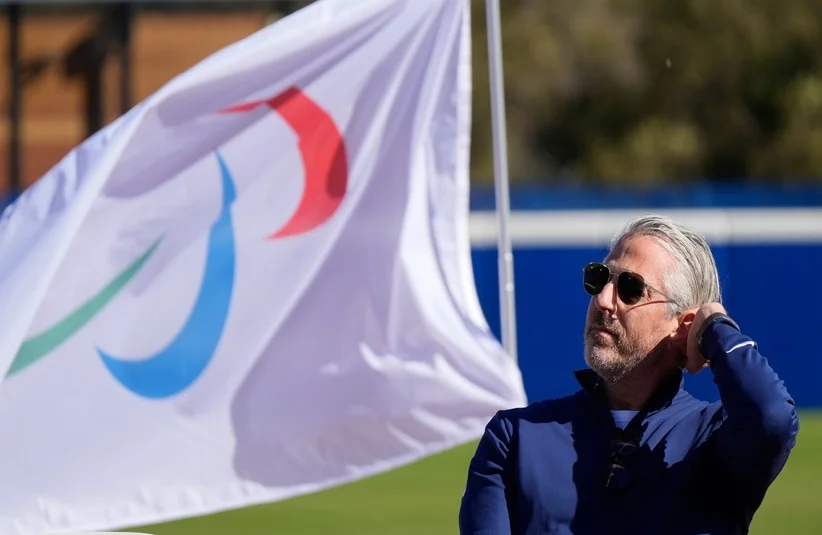
If you thought the drama surrounding the 2028 Los Angeles Olympics would wait until the opening ceremony, think again. The Games are still four years away, but the biggest contest right now isn’t happening on the track or in the pool—it’s happening in the boardroom.
In a move that feels like a defensive stand in the fourth quarter, the Executive Committee for the LA28 Olympic and Paralympic Games has officially reaffirmed its support for Casey Wasserman. Despite a swirl of bad headlines and renewed scrutiny over his past connections to the Jeffrey Epstein network, the board has decided that Wasserman remains the man to lead Los Angeles onto the global stage.
Inside the Board’s Decision To Back Wasserman
The headlines haven’t been kind to the LA28 chair recently. With unsealed documents bringing the Epstein saga back into the national conversation, Wasserman’s name resurfaced, specifically regarding interactions from over two decades ago.
Facing pressure to act, the LA28 committee didn’t just take a vote; they brought in the heavy hitters. The board hired outside legal counsel to conduct a deep-dive review of Wasserman’s conduct. The goal was to see if there was any new, damning information that hadn’t already been chewed over by the public.
According to the committee, the investigation came up empty on new revelations. The review confirmed what Wasserman has maintained for years. His documented interaction with Epstein was limited to a single trip in 2002. Wasserman flew on Epstein’s jet to Africa, a trip that was part of a mission for the Clinton Foundation. Beyond the flight logs, the review also noted emails exchanged with Ghislaine Maxwell in the 2000s, which have been characterized as flirtatious but not criminal.
For the board, the lack of new evidence was the green light they needed. They pointed to his “strong leadership” over the last decade of Olympic prep as the deciding factor. Essentially, they looked at the playbook and decided not to change the quarterback mid-game.
A City Divided: Political Pressure Mounts In Los Angeles
While the board might be satisfied, the political arena in Los Angeles is a different story. The decision to keep Wasserman in charge has drawn a line in the sand among local officials.
On one side, you have the establishment figures who are holding the line. Mayor Karen Bass and Governor Gavin Newsom haven’t called for his head, signaling a desire to keep the Olympic ship steady. But on the other side, the noise is getting louder. City Councilmember Monica Rodriguez and state Senator Sasha Renée Pérez have publicly urged Wasserman to step aside, arguing that the reputational baggage is just too heavy for an event that represents the city.
It’s a classic deadlock. You have some council members jumping on the “resign” bandwagon. It turns the chairmanship into a political football, with the reputation of the Games caught in the middle.
Talent Agency Fallout: When the Controversy Hits Home
Perhaps the most tangible damage isn’t happening in City Hall, but in Wasserman’s own backyard: his media empire. The Wasserman Media Group is a titan in the industry, but the Epstein connection is bad for business.
We aren’t just talking about angry tweets here. High-profile clients are walking out the door. The fallout has seen major names severing ties with the agency, including pop sensation Chappell Roan, soccer legend Abby Wambach, and musician Orville Peck. When talent starts walking, it sends a message that resonates louder than any press release. It suggests that for some, the association alone is a dealbreaker.
This puts the LA28 organizers in a tough spot. They want to focus on fundraising and logistics, but they are constantly having to play defense regarding their chairman’s personal history.
The $7 Billion Gamble: Why Stability Won Out
So, why keep him? Why risk the bad PR? The answer likely comes down to the massive scale of the undertaking. We are talking about a $7 billion event. Wasserman has been the architect of the LA28 bid and its subsequent planning for over 10 years. In the eyes of the board, removing him now creates a power vacuum that could derail years of progress. They are betting that his institutional knowledge and connections are worth the current public relations headache.
Observers note that this is a calculated risk. The board is banking on the news cycle moving on. They are prioritizing the stability of the Games’ infrastructure over the current reputational hits.
FAQ SECTION
Q: What happened in Casey Wasserman’s case?
A: The LA28 board reviewed his ties to Epstein and Maxwell, found no new evidence, and reaffirmed his leadership.
Q: Who is involved?
A: Casey Wasserman, LA28’s Executive Committee, Los Angeles officials, and political leaders like Mayor Karen Bass and Gov. Gavin Newsom.
Q: Why is this news important?
A: It raises questions about accountability, reputational risk, and the integrity of the 2028 Olympics.
Q: What are the next steps?
A: Wasserman remains chair, but public and political pressure could shape future decisions.
What This Means For the Road To 2028
Wasserman keeps his job, but the heat isn’t turning down. The vote ensures continuity for the immediate future, but it guarantees that the “Epstein question” will continue to trail the Games.
If more documents unseal, or if more high-profile artists leave his agency, the pressure cooker is going to whistle again. The LA28 organizers have managed to stiff-arm the controversy for now, but they still have four long years to go before the torch is lit. They have secured their chairman, but they may have sacrificed the ability to control the narrative.
