
Texas Sports Fans Spend More On Their Team Than On Christmas

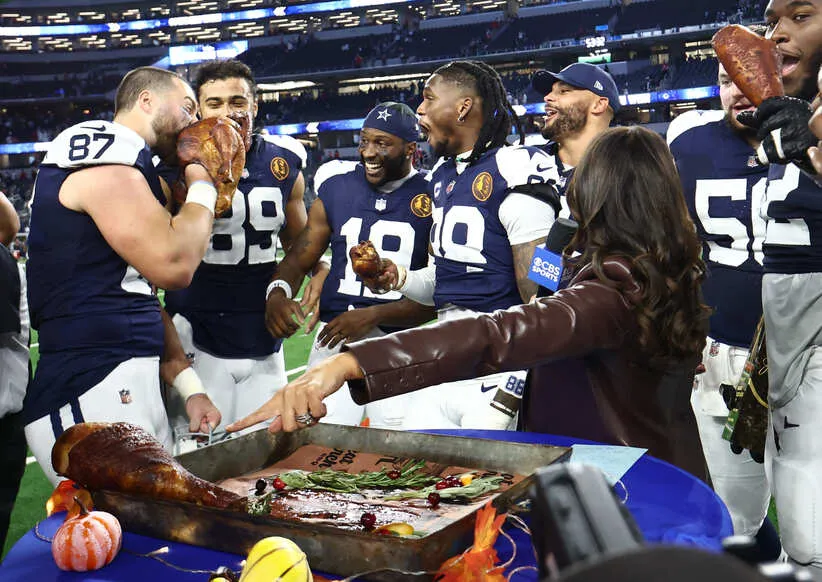
According to a recent study by Betting.net, Texas-based sports fans will spend more on their favorite team than on Christmas this year. Read on for the full study about the United States.
Texas Sports Fans Spend More On Their Teams Than Christmas
Texas-based sports fans spend an average of $708 a year on their favorite team, including tickets, streaming subscriptions, and merchandise. That’s more than the $628 Americans will spend on Christmas gifts this year.
Winning is a mood-booster and expensive. 54% of Texas fans spend more when their favorite team is on a winning streak. As a result, 25% of said fans occasionally cut back on other expenses, often eating out, to support their favorite team.
U.S. Sports Fans Spend More or Less Than Texas Counterparts
United States-based sports fans spend an average of $720 each year on their favorite team. South Carolina-based sports fans spend the most, with about $122 a month on their favorite team, adding up to $1,464 a year.
Soccer fans shell out more than all sports fans. MLS fans spend $972 a year on their favorite club. 25% of U.S.-based sports fans occasionally cut back on other expenses so they can afford to spend on their team, with dining out being the first expense they skip.
Iowa and Oregon fans spend the least, with an average of $33 a month, adding up to $396 a year. The second-lowest spenders are in Wisconsin, where fans spend about $35 a month toward their favorite team, adding up to $420 a year. That’s just a bit less than Indiana fans, who spend $40 a month, adding up to $480 a year.
At the end of the day, winning pays. 66% of U.S. sports fans spend more when their favorite team is on a winning streak.
Final Thoughts
For the study, Betting.net surveyed 2,000 sports fans across the United States. Respondents were asked which league they follow the most and how much they spend each month on their favorite team — including direct and indirect expenses, such as tickets, merchandise, streaming subscriptions, food and drinks, betting, etc.
Of all respondents, 53% identified as male, 46% as female, and 1% as non-binary. The average age of respondents was 41.1 years. These U.S. states were excluded due to insufficient data: Alaska, Delaware, Hawaii, Idaho, Maine, Montana, New Hampshire, New Mexico, North Dakota, Rhode Island, South Dakota, Vermont, and Wyoming.
