Skeleton 101: The High-Speed Olympic Sport Guide

Imagine hurtling head-first down an icy chute at 80 miles per hour, your chin hovering just inches above the frozen surface. There are no brakes, no steering wheel, and definitely no airbags. You are riding a glorified lunch tray, and the only thing separating a gold medal from obscurity is a hundredth of a second.
Welcome to the adrenaline-soaked world of skeleton racing. Whether you are a die-hard Winter Olympics fan or a first-time watcher, this guide will break down exactly what to look for regarding Skeleton.
What Exactly is Skeleton?
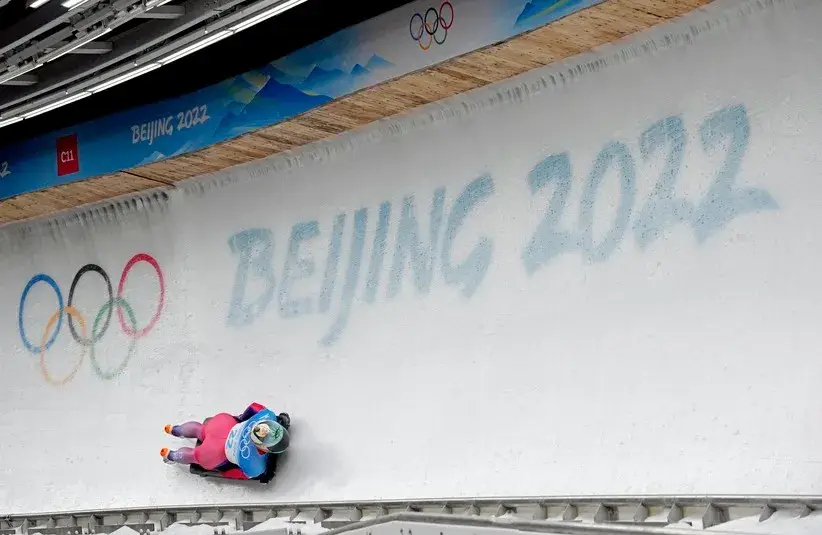
At its core, skeleton is a timed sliding sport where an athlete rides a small, aerodynamic sled down a frozen track while lying face-down and head-first. It is the rebellious younger sibling of bobsleigh and luge, stripping away the protective chassis of a bobsled and flipping the luge position on its stomach.
Competitors sprint at the start, launch themselves onto the sled, and steer using subtle shifts of body weight and shoulder pressure. Races aren’t won in a single run; they are decided by the aggregate time across multiple heats. The lowest total time takes the gold.
The Basics of the Sport
To truly appreciate the skill involved, you have to understand the constraints the athletes are working under.
- Events: Olympic skeleton features both men’s singles and women’s singles.
- The Sled: There are no mechanical steering or braking devices. It is a steel frame with handles and runners.
- The Gear: Due to the extreme speeds, helmets and aerodynamic suits are mandatory for saftey.
- Timing: Runs are timed to the thousandth of a second. Consistency is king; one bad run and its over.
The Need for Speed: Technique and Training
Skeleton athletes’ main goal is the need for speed. They need the explosive power to get the sled moving and the technical finesse to guide it down the mountain. The two key aspects for Athletes to focus on for success and to get the gold medal at the olympics is the explosive start and steering properly.
The Explosive Start
The race actually begins before the athlete is even on the sled. The “push start” is critical. Athletes sprint alongside their sleds, using spiked gloves to tear into the ice for traction. They have about 50 meters to generate as much velocity as possible before diving onto the sled.
Steering with Shoulders and Knees
Once they are prone on the sled, the mechanics change entirely. Steering is achieved through minute shifts in body position. Athletes press a shoulder or a knee into the sled to initiate a turn. It’s a delicate dance—steer too hard, and the friction slows you down (known as “scrubbing”). Steer too little, and you hit a wall.
Athletes memorize every inch of the track profile, and practicing ideal “lines” through each curve to maintain momentum is key at the Olympics. The top speeds of Skeleton can exceed to 120 km/h (75 mph) maybe more. Skeleton has such demanding, immense physical strength and mental focus.
Why Skeleton Matters at Milano-Cortina 2026 Olympics
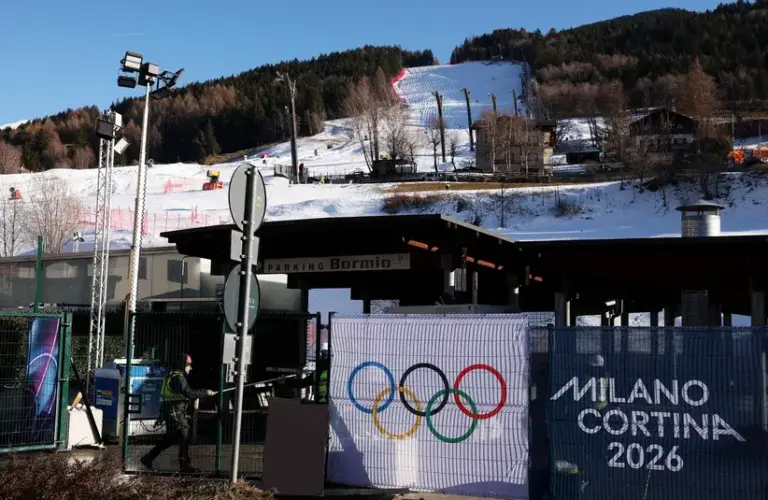
The upcoming Winter Olympic Games in Italy are putting a massive spotlight on skeleton. Just looking at the tracks, it’s going to be such a challenging course. Along with Alpine Skiing and the weather conditions there, the ice temperature and texture will make Skeleton athletes strategize even more.
National teams are currently in the thick of preparation, testing sled setups on Alpine tracks and finalizing their lineups. Coaches and technicians are obsessing over “runner polish” stressing the importance both here and for Bobsleigh. The runner polish is basically the smoothness of the steel blades beneath the sled as those help Skeleton Athletes make turns.
The Olympic narrative always amplifies the drama. We’ll see veteran sliders trying to hold off hungry rookies, and athletes returning from injury for one last shot at glory. Because the sport rewards both explosive athleticism and technical precision, the battle for the podium will likely come down to who can hold their nerve best under the bright lights.
Q: How is a skeleton winner decided?
A: The winner is the athlete with the lowest total time combined
Q: What makes a good skeleton start?
A: An explosive sprint, proper technique of steering and a smooth entry on the sled.
Q: Are skeleton sleds regulated at the Olympics?
A: Absolutely. There are strict international rules regarding the weight, dimensions, and specifications of every sled.
How to Watch Like a Pro At The Olympics
When you tune in to watch skeleton at the 2026 Games, look beyond the blur of speed. Watch the split times at the top of the track—these indicate how good the push start was. If an athlete is behind at the first split, they have a mountain to climb to catch up.
Listen to the commentary for analysis on “lines.” You might hear announcers talking about an athlete being “late” into a curve or “tapping” a wall. These are the tiny errors that bleed time.
Skeleton is a study in contrasts: minimal equipment versus maximal speed; tiny steering inputs versus huge consequences. It is one of the purest racing sports on the planet, and once you understand the mechanics, it becomes one of the most gripping events of the Winter Games.