
Everything You Need to Know About Nordic Combined for Milano-Cortina 2026

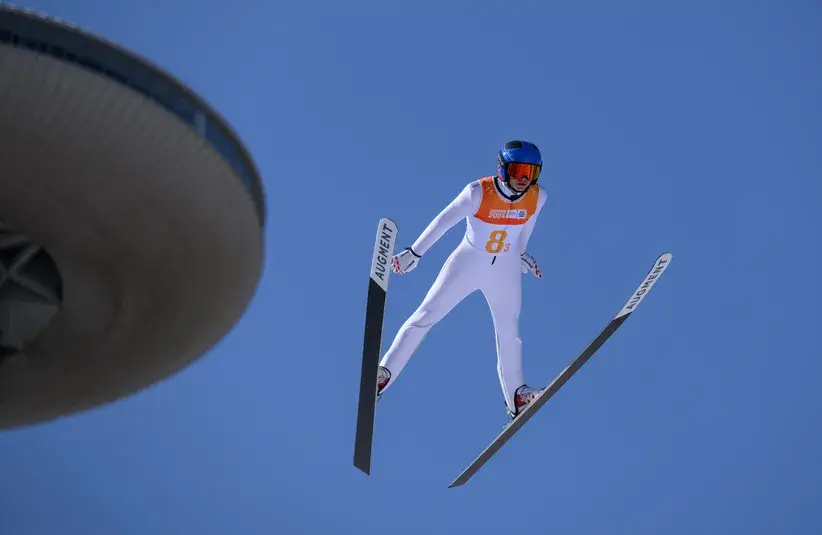
If you’ve ever flipped through the Winter Olympic channels and stumbled upon an athlete launching themselves off a massive ramp only to see them sprinting on skis hours later, you’ve met Nordic Combined. It’s one of the most physically demanding sports on the planet, and yet, it often leaves casual viewers scratching their heads.
As we gear up for the Milano-Cortina 2026 Winter Games, interest in this unique discipline is spiking. It’s a sport that asks an almost impossible question: Can you be light and explosive enough to fly, but strong and durable enough to race?
Here is your complete guide to understanding Nordic Combined, from the scoring math to the race tactics that decide the medals.
What Exactly is Nordic Combined?
At its core, Nordic Combined is the ultimate test of winter versatility. It blends two completely different disciplines into one competition: ski jumping and cross-country skiing.
Think of it like a biathlon without the guns, but with way more airtime. The athletes first compete on the jumping hill, where they are scored on distance and style. Later that same day, they trade their jumping skis for skinny racing skis and compete in a cross-country pursuit race.
The magic of the sport lies in the connection between the two events. The results from the jump determine the starting order for the race. If you win the jumping portion, you start the race first. Everyone else chases you, starting at time intervals based on how far behind they were in points.
Whoever crosses the finish line first wins Gold. Simple, right?
The “Gundersen Method”: How Points Become Seconds In Nordic Combined
The biggest point of confusion for new fans is usually the math. How does a judge’s score for style translate into a stopwatch time?
This system is called the Gundersen Method. What happens here is the judges take the points difference from the ski jumping round and convert them into time gaps. Typically, one point of difference on the hill equals a specific number of seconds (often 4 seconds) on the track.
This creates a “pursuit” format. The leader starts at 0:00. If the second-place jumper was 10 points behind, they might start 40 seconds later. This setup ensures that the drama is real-time: the first person across the line is the actual winner, no calculator required.
The Two Sides of the Coin: Explosive vs. Endurance
Nordic combined is fascinating because the physiology required for the two disciplines is contradictory.
Ski Jumping favors athletes who are incredibly light and lean. You need a high power-to-weight ratio to generate lift and fly as far as possible.
Cross-Country Skiing favors pure endurance engines. These athletes need significant muscle mass in their legs and core to power through 10 kilometers of punishing terrain.
A Nordic Combined athlete has to find the perfect middle ground. If they get too bulky for the ski race, they won’t fly far enough on the hill. If they get too lean for the jump, they’ll run out of gas halfway through the cross-country course. It is a constant balancing act of diet, training, and technique.
Event Formats to Watch at Milano-Cortina 2026
When you tune into the next Winter Games, you’ll see three main events. Here is how they break down:
Individual Normal Hill / 10 km
This is the standard test. Athletes perform one jump on the “Normal Hill” (a smaller ramp, usually around 90-100 meters in size). Later, they race a 10 km cross-country course. Because the hill is smaller, the point gaps tend to be tighter, leading to large packs of skiers racing together and frantic sprint finishes.
Individual Large Hill / 10 km
This follows the same format but starts on the “Large Hill” (usually 120+ meters). The larger hill creates bigger point separation. Strong jumpers love this event because they can build a massive lead (sometimes over a minute) before the skiing even starts, forcing the faster skiers to play a desperate game of catch-up.
Team Large Hill / 2×7.5 km (Team Sprint)
This is often the most exciting event for spectators. It involves pairs of athletes from each nation. They jump from the large hill to set their starting position. Then, they alternate laps in a relay format on the ski track. The quick exchanges and team tactics—like drafting behind a rival to save energy—make this a high-speed chess match on snow.
Frequently Asked Questions
Q: How are jump points converted to time?
A: Officials use the Gundersen method. This formula translates the point differences from the jumping round into seconds. This determines the staggered start times for the cross-country race.
Q: Which Nordic combined events are on the Olympic program?
A: Currently, the program includes the Individual Normal Hill/10 km, Individual Large Hill/10 km, and the Team Large Hill/2×7.5 km sprint.
Q: Do the athletes use the same skis for both events?
A: No. They use wide, long jumping skis for the hill to maximize lift, and switch to thin, lightweight cross-country skis for the race.
Why You Should Watch
There is a specific kind of drama in Nordic combined that you don’t get elsewhere. You’ll often see a “rabbit” scenario: a brilliant jumper starts the race with a huge lead but is a weaker skier. Behind them, a pack of “sharks”—fast skiers who had mediocre jumps—work together to hunt them down.
It becomes a question of timing. Can the jumper hold on for just one more kilometer? Will the chasers burn themselves out trying to close the gap too early?
At Milano-Cortina 2026, keep an eye on the clock and the snow conditions. Soft snow can slow down the chasers, helping the leader. Icy, fast tracks might help the endurance beasts close the gap in record time. Every jump sets the stage, but the race decides the story. That is what makes Nordic combined one of the most thrilling spectacles in winter sports.
