No Rest For the Weary In the Tour de France

No rest for the weary in the Tour de France. The riders do many things on their rest day. It seems there is no rest for the weary on the Tour, a true month-long slog. With all that going on, the riders will almost certainly get no rest. This article will list all the things riders do on their so-called rest days. What duties do you think can be eliminated to give the riders more rest?
Light Training
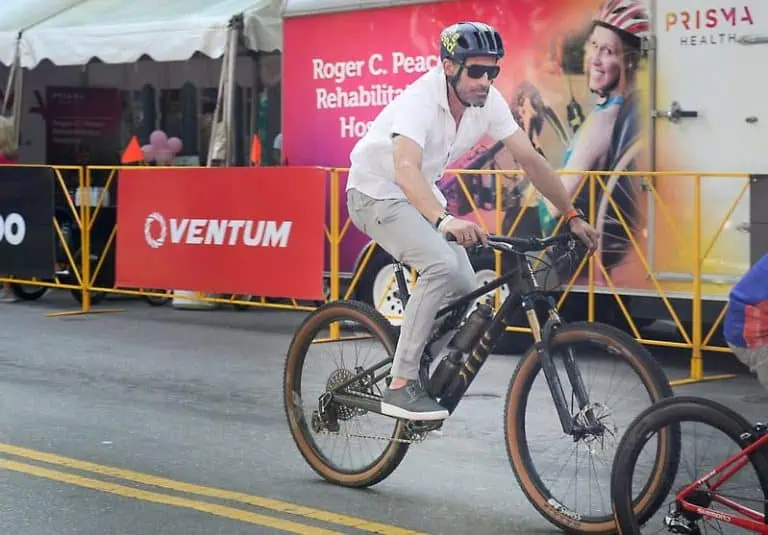
Unbelievably, even on rest days, cyclists typically go for bike rides. You would think they had gotten enough of these rides around France. These active recovery sessions, as they are called, are designed to enhance recovery rather than increase fitness. The specifics of these light training sessions are typically guided by training zones, which are levels of exercise intensity defined by heart rate, power, and sometimes cadence.
These rides are usually about 2 hours long. The rides emphasize maintaining a relaxed pace that allows the riders to unwind, enjoy the surrounding scenery, and engage in light-hearted conversation with teammates. By keeping the rides easy and stress-free, cyclists ensure they are well-rested and ready to tackle the next stage of the Tour de France. There are at least three other rest day activities that offer no rest for weary Tour de France riders.
Sponsor Duties
Fulfilling commitments to sponsors is a non-stop activity on rest days. This could involve many things, such as appearances at promotional events, product endorsements, or social media. A high-demand rest day activity is media appearances. Everyone wants to talk to the tour riders. There are also various photo shoots. These obligations provide no rest.
Contract Negotiations
The business of bike racing takes center stage on the Tour de France as athletes’ performances in this race can influence their career trajectories. The rest days can be the perfect opportunity to engage in contract negotiations. This is another activity that provides no rest for the weary. Two types of negotiation can occur. First, cyclists who have performed well in the Tour may receive an increased salary through a new contract. Second, there may be cyclists who are nearing the end of their current contract and will soon become free agents. They may get a new contract as well.
Planning and Strategy
There is a great deal of planning and strategy that goes into the Tour de France. Cyclists and their team managers look at upcoming stages to see when opportune times to attack will exist. They also look at the weather forecast to see what conditions they may face. They also discuss the strengths and weaknesses of their opponents. This is the final activity that provides no rest for participants in the Tour.
Mental Recovery
Several beneficial rest day activities could prove beneficial to tour riders. Cyclists may engage in a variety of mindfulness practices, such as listening to music, reading, or enjoying some quiet time (like taking a nap), which are things riders may do. Family also plays an important role. It could be a phone call home or a quick meet-up with loved ones who are at the race. These moments of connection can provide emotional upliftment that fuels the next racing effort. Also, all teams employ a sports psychologist whom riders may see on the busy rest days.
Physical Therapy
The Tour de France is demanding and can leave cyclists with various aches, pains, and potential injuries. Hence, days off provide a critical opportunity for addressing these issues through physical therapy and massage. There is a large component of these physical therapy sessions that is geared toward injury prevention. They may involve a range of modern techniques and treatments, such as stretching exercises, joint mobilizations, and the use of therapeutic modalities like cryotherapy. No expense is spared for these multi-million-dollar athletes.
Massage
One important type of therapy is massage. All of the teams in the Tour de France employ a masseur. Massages can stimulate blood flow to muscles while aiding in the removal of waste products like lactic acid. They can be quite beneficial to riders on a month-long trek. Massages can also help to relieve muscle tension and break down adhesions or knots that can restrict movement and cause discomfort.
Nutrition and Hydration
Finally, there is a range of nutrition and hydration items in which riders may engage. What is important to note is that everything that professional cyclists put in their bodies is closely monitored. It is for this reason that denials of the use of performance-enhancing drugs or blood doping are not believable.
Carbohydrate intake is a key component of the rest day diet. It is like marathoners’ carbohydrate loading. Riders also need to take on protein during rest day activities. Contrary to what people may think, rest days are not for feasts. The focus is instead on consuming regular, balanced, protein-rich meals. The final piece of the puzzle is Hydration. This is something riders must do throughout the race.
Conclusion
There is no rest for the weary on rest days in the Tour de France. Rest days are packed with activities. These days are primarily about taking a break from racing up and down mountains. There is another rest day scheduled, after a big mountain stage. It will also have no rest.