
Eileen Gu Defends Halfpipe Gold in Bittersweet Olympic Triumph


Eileen Gu stood atop the podium once again, her second consecutive Olympic halfpipe gold secured. But the celebration was short-lived. Moments after the medal ceremony, the freeskiing superstar learned her grandmother had passed away—a painful reminder that life doesn’t pause for victory laps.
The 2026 Milan-Cortina Winter Games delivered another chapter in Gu’s already remarkable career, but this one carried weight beyond the scoreboard. Her performance in Livigno reaffirmed her status as freeskiing’s most dominant force. The news that followed forced her to navigate grief in the most public way possible.
Here’s how it all unfolded and what it means for Gu, her sport, and the athletes who will follow in her tracks.
The Run That Secured Gold
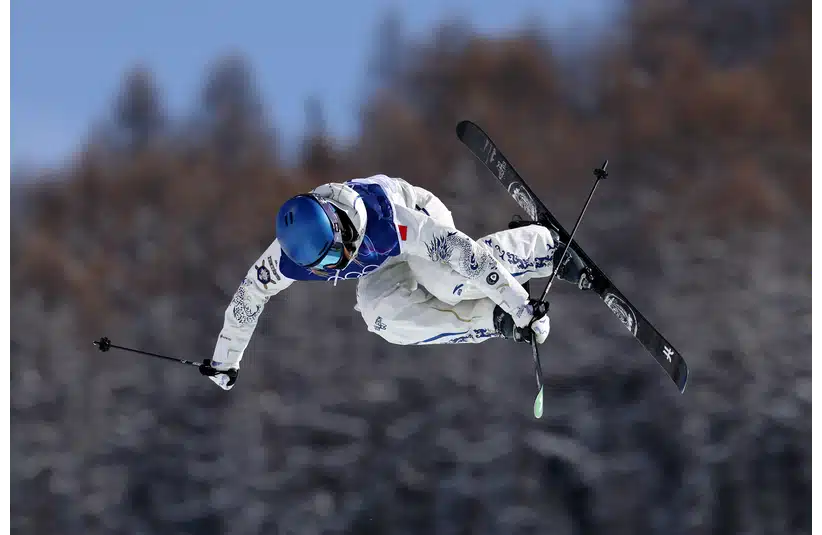
Gu entered the halfpipe final as the defending champion from Beijing 2022, carrying expectations that would crush most competitors. She delivered when it mattered most.
Her winning run showcased the technical precision and amplitude that have become her calling card.
Each hit built on the last, combining rotation, grab variation, and height that left judges little room for debate. When the score of 94.75 flashed on the Olympic scoreboard, she had done it again—another Olympic title, another statement performance, even though she had to wait for the validation after a couple of more skiers.
The field behind her included rising talents and established veterans, but none could match Gu’s consistency under pressure. She didn’t just win; she controlled the competition from her first drop-in.
A Champion’s Private Pain Goes Public
Athletes spend years preparing for Olympic moments. They visualize the run, the medal ceremony, and the national anthem. What they can’t rehearse is how to process devastating personal news while cameras capture every reaction.
She arrived late to the mandatory post-event press conference. When she finally took her seat, reporters learned why. Her maternal grandmother, Feng Guozhen, had died shortly after Gu’s victory. The woman who helped raise her, who shaped the values Gu carries into competition, was gone.
In her remarks, she spoke about her grandmother’s influence and the pride she believed her family would feel. She didn’t break down. She didn’t dodge questions. She sat there and honored someone who mattered, even as the weight of loss competed with the shine of gold.
Teammates and coaches offered condolences immediately. Social media is filled with messages of support. The moment transcended sport—a young woman dealing with grief while the world watched.
Building a Legacy One Medal at a Time
This wasn’t Gu’s first rodeo at the Olympics. Beijing 2022 really introduced her to the global audience with multiple elite podium finishes across slopestyle, big air, and halfpipe. She became an instant icon, representing China while maintaining ties to her U.S. upbringing, as she did in the 2026 games as well.
Each medal has added to a résumé that now ranks among freeskiing’s all-time best. The 2026 halfpipe gold extends that streak and cements her place in Olympic history. Numbers matter in sports, and Gu’s numbers are exceptional.
But her impact goes beyond medal counts. She’s brought mainstream attention to freeskiing, attracting sponsors, fans, and young athletes who see what’s possible. She has also attracted some critics as well, but she knows how to handle those critics. Her success has created opportunities for the entire sport, raising the profile of competitions that once lived in relative obscurity.
When Personal and Professional Collide
Sport exists in a strange space where public performance meets private life. Athletes become characters in narratives that millions follow, but they remain human beings with families, losses, and struggles that don’t disappear when the competition begins.
Gu’s situation highlights that tension.
The timing of her grandmother’s death—right after an Olympic victory—created a moment that will define how this win is remembered.
How sports organizations, broadcasters, and fans handle these tense moments matters. Gu deserved time to grieve privately, but the Olympics don’t offer that luxury. She had obligations—press conferences, drug testing, medal ceremonies—that couldn’t be postponed or skipped.
The way she handled it showed character that no training run can develop. She showed up. She spoke honestly. She honored her grandmother while fulfilling her duties as a champion.
What Comes Next
Gu will take time with family. She’ll manage media requests and sponsorship commitments while processing her loss. The immediate aftermath of any Olympic victory is chaotic; adding grief to that mix only compounds the challenge.
Competitively, she’s at the peak of her sport. The World Cup circuit continues, with events that will test whether she can maintain this level of performance. Sponsorship opportunities will multiply. Long-term career decisions loom—how long does she compete? What comes after freeskiing?
Her legacy, though, is already secure. This victory—complicated by personal tragedy—adds a dimension that pure athletic achievement can’t capture. Gu isn’t just a champion. She’s become a figure who represents resilience, the cost of excellence, and the reality that success and sorrow often arrive together.
Freeskiing will continue to grow in part because of what Gu has accomplished. Young athletes will study her runs, copy her style, and chase the standard she’s set. But they’ll also see how she handled February 2026, when triumph and grief collided in real time.
That might be her most important lesson.
