
41 Days Until The Winter Olympics: A Surprising Deer Valley (Utah) World Cup Cancellation Changes Plans for Athletes

For freestyle skiers eyeing a spot on the podium at the Milano Cortina 2026 Winter Games, the path to glory just took a detour through the East Coast.In a significant blow to Utah’s winter sports calendar, officials recently announced that the FIS Freestyle World Cup events scheduled for mid-January at Deer Valley have been called off.
The culprit? Unseasonably warm temperatures and a lack of snow that have made building safe, competition-level courses impossible.
The cancellation forces a scramble to relocate the events to Lake Placid, New York, and Waterville Valley, New Hampshire, ensuring athletes still have a venue to compete. However, the loss of the event in Park City raises eyebrows regarding the venue’s readiness for future global stages, specifically the 2034 Winter Olympics.
Weather Challenges at Deer Valley Force Difficult Decision
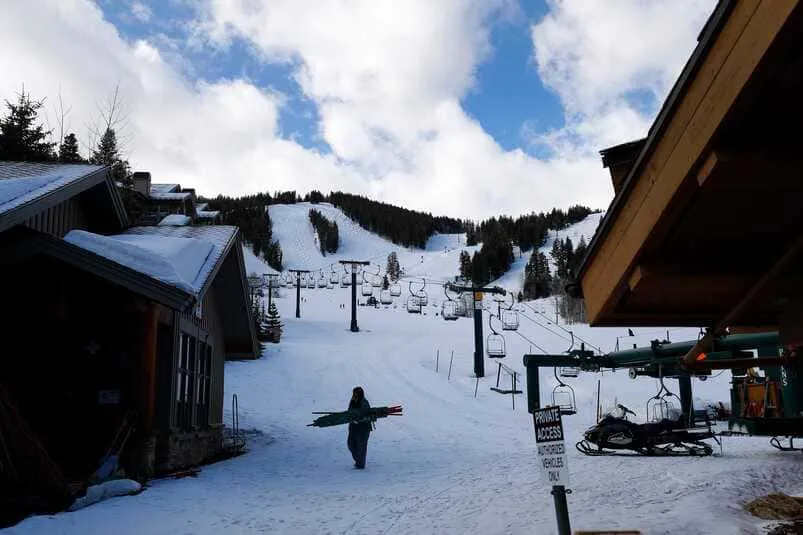
The decision to pull the plug was not made lightly. Deer Valley (Park City, Utah) has long been considered the premier stop on the freestyle circuit, known for its pristine courses and rowdy crowds that can draw up to 30,000 spectators. But Mother Nature refused to cooperate this season.
Todd Bennett, President and COO of Deer Valley Resort, cited “sustained warm temperatures” as the primary barrier. Unlike a standard ski run, constructing a World Cup aerials site or a moguls course is a massive engineering feat. It requires millions of gallons of water converted into snow and hundreds of hours of precision grooming.
“This year’s event was scheduled nearly three weeks earlier than in recent seasons,” Bennett explained in a statement. “Unlike anything we have ever seen before, (the weather) limited our ability to build the aerial and dual mogul venues to the standards our staff and athletes deserve.”
While forecasts suggest a return to colder weather soon, the clock simply ran out. The timeline to create a safe competition environment, one that protects athletes launching themselves 40 feet in the air, had collapsed.
Impact on 2026 Olympic Hopefuls
The timing of this cancellation adds a layer of stress for the athletes. These January competitions aren’t just exhibition matches; they serve as the final opportunity for skiers to earn points for the Olympic Quota Allocation List.
For American skiers, the loss of home-snow advantage at Deer Valley is a tangible setback. Competing in front of a home crowd in Park City often provides an adrenaline boost that can make the difference between qualifying and staying home.
Now, the aerials events will move to Lake Placid on January 11-12, replacing a previously scheduled mixed team event with individual competitions. The moguls teams will head to Waterville Valley in New Hampshire for events on January 15-16.
Sophie Goldschmidt, President and CEO of U.S. Ski & Snowboard, emphasized that the priority remains getting the team to Italy.
“While this year’s weather has created some challenges, our priority is ensuring athletes have the best opportunity to qualify for the Olympic Winter Games,” Goldschmidt said. She expressed gratitude to the East Coast resorts for stepping up on such short notice to save the qualifying schedule.
Implications for Deer Valley and the 2034 Games
While the immediate focus is on the 2026 qualifiers, this cancellation casts a shadow over the longer-term future. Deer Valley is confirmed as the official venue for freestyle skiing events for the 2034 Olympic Winter Games in Salt Lake City.
The resort has a storied history, having successfully hosted the 2002 Games and 27 years of international competition. However, the reality of changing climate patterns poses a logistical puzzle for Olympic planners. If a mid-January World Cup cannot be held due to warmth in 2026, questions will naturally arise about the reliability of snow conditions for the Games eight years from now.
Currently, organizers plan to leverage existing infrastructure from 2002 for the 2034 Games to promote sustainability. This week’s cancellation suggests that even established venues with robust snowmaking capabilities are not immune to climate variability.
Looking Toward the Future
Despite the disappointment of the cancelled World Cup, Deer Valley is pressing ahead with its own massive evolution. The resort is currently undertaking the largest expansion in its history, preparing to open 10 new lifts, a 10-passenger gondola, and over 100 new trails for the general public.
Bennett noted that operational focus will now shift entirely to the recreational winter season, with significant natural snowfall expected to help open the new terrain. Ticket holders for the World Cup event will be contacted regarding refunds.
For now, the spotlights on the Deer Valley aerials hill will remain dark this January, a stark reminder that in winter sports, the weather still holds the final vote.