
Rock Bottom? The Cheating Row That’s Melting Canada’s Curling Reputation

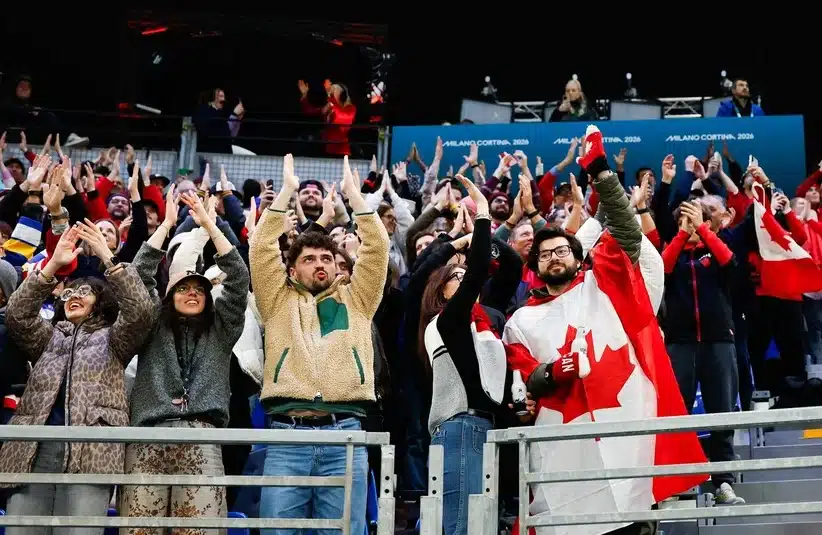
Usually, the only drama you expect on a curling sheet involves a missed takeout or a measurement that comes down to the millimeter. It’s a gentleman’s game, rooted in a centuries-old tradition of self-policing and post-match handshakes. But at these Winter Games, the polite veneer has cracked, and Canada is standing right at the center of the fracture.
A scandal involving allegations of “double-touching” stones has sent shockwaves through the tournament, turning the typically serene atmosphere into a pressure cooker of accusations and viral video clips. For a nation that prides itself on being the gold standard of the sport, Canada is facing a rare and uncomfortable question: Are they playing fair?
A Double-Touch of Trouble for Team Canada
The controversy kicked off in the men’s draw, and it wasn’t subtle. Swedish standout Oskar Eriksson levied a heavy accusation against Canada’s Marc Kennedy. The claim? Kennedy was guilty of a “double-touch.” In curling terms, this means a player’s finger or broom makes contact with the granite stone after the release point while it’s in forward motion. It’s a massive no-no.
A video clip hit the internet almost immediately, appearing to show Kennedy’s finger lingering on the rock a beat too long. The reaction on the ice wasn’t the usual passive-aggressive polite nod, either. It sparked a heated verbal exchange complete with expletives—a rarity in a sport known for its hushed tones. While Kennedy escaped with a verbal warning for the language rather than a formal cheating penalty, the fuse was lit.
Things went from bad to worse just 24 hours later. The women’s team, skipped by the legendary Rachel Homan, walked right into the same buzzsaw. Facing Switzerland, the Canadian squad was flagged for the same infraction.
This time, the officials didn’t hesitate. They pulled Homan’s stone from play. The momentum swung, frustration boiled over, and Canada eventually dropped the match 8-7. Homan didn’t mince words afterward, calling the ruling “insane.”
Why This Hits Different For Canada
If this were any other country, it might just be a footnote in the daily Olympic recap. But this is Canada. For decades, the Maple Leaf has been synonymous with curling dominance. They don’t just win medals; they set the culture.
Canada exports the technique, the strategy, and the etiquette of the game to the rest of the world. Because of that outsized influence, the expectations are higher. When the teacher gets caught breaking the rules, the whole classroom notices.
Tomi Rantamaki, a curling columnist and Olympian, pointed out the gravity of the situation. He noted that young players globally mimic what they see from the Canadian pros. If Canada is seen pushing the boundaries of fair play, it sets a dangerous precedent for the next generation. The reputation of Canada as the polite, fair-playing giant of the winter sports world is taking a serious hit in the court of public opinion.
The Rulebook vs. Reality
The issue has exposed a massive gray area in how the sport is officiated at the highest level. World Curling had to issue a swift clarification, reiterating that touching the granite during forward motion is an automatic violation. To back it up, they’ve assigned two dedicated officials to stare specifically at the release line in upcoming matches.
However, the lack of instant video replay for these specific fouls is causing headaches. Without a “VAR” style review system, it turns into a judgment call, and in the Homan match, that judgment call likely cost Canada a win.
Interestingly, it’s not just Canada feeling the heat. Great Britain’s men’s team faced similar accusations shortly after the Canadian incidents. This suggests that maybe the enforcement has suddenly tightened, catching athletes off guard. But because Canada is the face of the sport, they are taking the brunt of the criticism.
FAQ
Q: What is “double‑touching” in curling?
A: It refers to touching the stone again after releasing it during forward motion, which is not allowed.
Q: Who has been accused?
A: Canada’s Marc Kennedy and Rachel Homan, as well as Great Britain’s Bobby Lammie, in a separate incident.
Q: Why is this important?
A: Curling relies heavily on sportsmanship and self‑officiating, so accusations of cheating carry significant weight—especially for a country as influential as Canada.
Q: What are the next steps?
A: World Curling may consider rule clarifications or new officiating tools; teams will continue under increased scrutiny.
Is Canada Losing Its Grip?
Back home, the reaction is a mixed bag of denial and disappointment. At clubs like the Royal Montreal, the chatter is endless. Some fans are calling it a “sad day for Canadian sport,” feeling that the integrity of the game has been compromised. Others feel Canada is being unfairly targeted because the rest of the world has finally caught up skill-wise, and the scrutiny is a byproduct of a narrowing competitive gap.
The reality is that the rest of the world has caught up. Canada can no longer coast on talent alone. The pressure to win is higher than ever, and when pressure mounts, mistakes happen. Whether these were intentional cheats or sloppy mechanics born of stress, the result is the same: a distraction that the athletes didn’t need.
