NASCAR Reshapes Daytona 500 Qualifying for 2026, Raising The Stakes For Open Teams

Speedweeks at Daytona have always carried a tension that’s hard to explain unless you’ve stood in the garage and felt it yourself. The place has its own pulse, part anticipation, part anxiety, part tradition. Some teams move with quiet confidence. others with the urgency of a group that knows one mistake could end their week before it even begins.
For the 36 charter teams, qualifying is about track position and momentum. For the non‑charter “Open” teams, it’s about staying alive. Their entire season can hinge on a single lap. With NASCAR rolling out a major change to the 2026 Daytona 500 qualifying format, the pressure is about to shift significantly.
Why This Change Matters
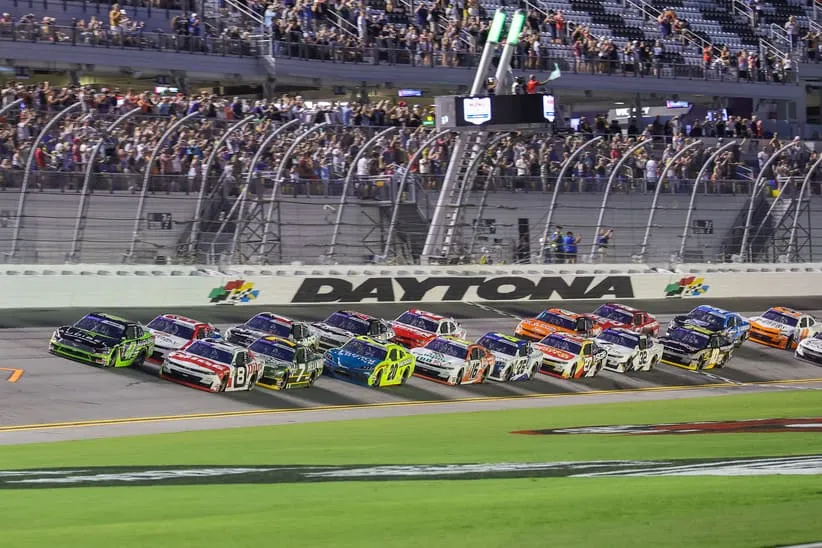
The Daytona 500 field is capped at 40 cars. Thirty‑six of those spots are spoken for before anyone turns a lap. That leaves four openings for the Open teams, a number that has always created tension, and the old system made the path even more unpredictable. A team could unload a fast car, post a strong qualifying lap, and still miss the race after getting caught in a Duel crash they had no part in causing.
For smaller organizations, that wasn’t just a competitive setback. It was a financial hit that could derail months of planning. Daytona is expensive, and wrecking a car before the season even starts can put a team in a hole they may never climb out of. The new format aims to provide legitimate speed and a more reliable path into the Great American Race.
The 2026 Qualifying Adjustment
The updated rule is simple: The two fastest Open teams in single‑car qualifying will automatically earn spots in the Daytona 500. Their Duel results no longer matter. Once they secure those top‑two speed positions, they’re locked into Sunday’s race regardless of what happens on Thursday night.
The remaining two Open positions will go to the highest‑finishing Open car in each Duel race that hasn’t already qualified on speed. This change rewards preparation and execution. It also restores some of the purity of single‑car qualifying at Daytona, something teams have been pushing for. If you bring a fast car, you shouldn’t be sent home because someone else made a mistake in a pack race.
The Jimmie Johnson Variable
Seven‑time Cup Series champion Jimmie Johnson has applied for the lone provisional starting spot available. His presence introduces a complication that every Open team must account for, whether they want to or not.
If Johnson qualifies on speed or races his way in through the Duels, the provisional goes unused, and the field stays at 40 cars. If he doesn’t, he can fall back on the provisional and start 41st, expanding the field by one.
For the other Open teams, Johnson is a complication they can’t control. They’re not just racing against similar‑sized operations. They’re racing against a driver with championship eligibility and a built‑in safety net. It forces smaller teams to approach Speedweeks with a level of precision they may not have needed before.
How This Impacts Team Strategy
The rule change will reshape how Open teams prepare for Speedweeks, both in the shop and on the racetrack.
#1. A Renewed Focus on Single‑Lap Speed
Teams now have a clear incentive to pour resources into qualifying trim. A top‑two speed run eliminates the uncertainty of the Duels entirely. Expect increased investment in engines, aerodynamic refinement, and setups optimized for time trials.
#2. More Conservative Duel Approaches for Locked‑In Teams
Any Open team that qualifies on speed may choose to run cautiously in the Duels to protect equipment. With their spot secured, there’s no reason to risk damage in a race that no longer determines their eligibility.
#3. Higher Pressure for Remaining Spots
Teams that don’t qualify on speed will face a high‑stakes Duel race. Only one Open car per Duel will advance, making track position, drafting partners, and survival critical. These races could become even more intense for the teams still fighting for a place in the 500.
#4. Shifts in Budget and Engineering Priorities
For smaller teams, the financial implications are real. Instead of spreading resources across multiple race‑trim setups, they may concentrate on building one exceptionally fast qualifying car. The rule change could reshape how these organizations approach the offseason and how they allocate limited resources.
#5. A Clearer Storyline for Fans
The previous system often confused casual viewers. This new structure offers a more transparent storyline: be fast, or race your way in. It simplifies the narrative without reducing the drama.
What It Means for 2026
The updated format rewards preparation and speed while reducing the role of chance. It also raises the competitive bar. Teams that previously relied on surviving the Duels must now demonstrate legitimate pace on Wednesday night.
And with Johnson in the mix, the margin for error narrows even further. For Open teams, the qualifying night may determine their entire Speedweeks trajectory. For fans, it adds another layer of intrigue to an already pressure‑packed week.
Why The Decision Is Pivotal
NASCAR’s decision to revise the Daytona 500 qualifying format may look like a procedural tweak, but its impact reaches far deeper. It changes how smaller teams prepare, allocate their limited resources, and approach the most demanding week of the season. It also brings fairness to a process that has long punished teams for circumstances beyond their control.
For the Open entries, the path is now clearer but no less demanding. They must show real speed, execute under pressure, and navigate a Duel race that could determine their entire year. For the charter teams, the change adds another layer of unpredictability to a week already defined by it. And for fans, it creates a more transparent, more compelling storyline heading into the sport’s biggest event.
What’s Next
When the garage doors roll open next February, every team will know exactly what it takes to make the Daytona 500. The stopwatch will matter more, the Duels will matter differently, and the stakes, especially for the underdogs, will be higher than ever. The Great American Race has always been a test of preparation and nerve. In 2026, qualifying will reflect that more than it has in years.