
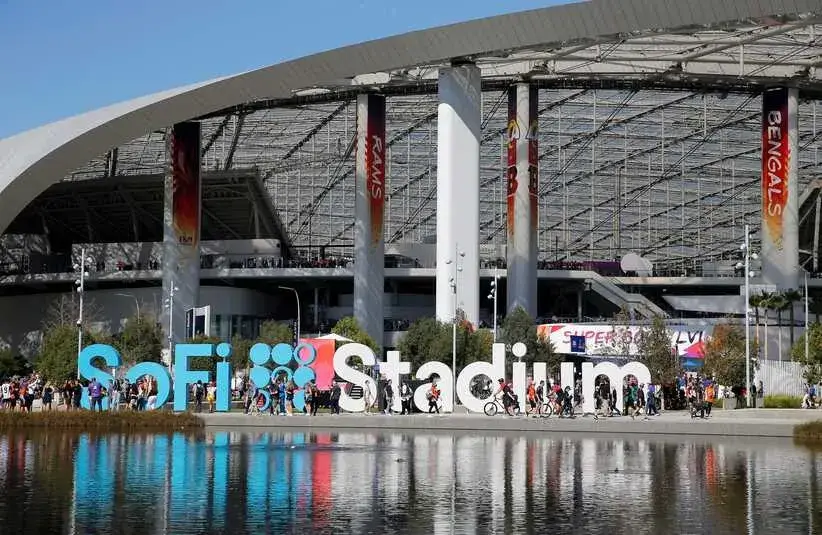
FIFA World Cup 2026 Parking In LA: The Sticker Shock Keeping Fans On The Sidelines

The FIFA World Cup coming to Los Angeles was supposed to be a celebration of the beautiful game. But for thousands of fans holding tickets to the World Cup there about to realize a tremendous headache they’re going to have to deal with: parking.
It’s an issue that is quickly becoming the biggest talking point of the tournament’s LA leg. Reports are flooding in about exorbitant parking fees, a severe lack of on-site options, and a chaotic resale market that feels more like the Wild West than a global sporting event. For many, the challenge isn’t getting a ticket to the game—it’s figuring out where to leave the car without breaking the bank.
Here is a breakdown of what is happening on the ground in Los Angeles, why prices have skyrocketed, and what fans can do to navigate the chaos.
The Reality on the Ground
If you are planning to drive to a match, you have likely already noticed the problem. As the tournament schedule locked in and travel plans were finalized, fans went looking for official parking passes, only to find a fragmented and frustrating market.
Official stadium lots and sanctioned event parking packages were limited from the start. Due to the massive security perimeters required by FIFA for an event of this magnitude, much of the asphalt usually reserved for cars has been taken over by security checkpoints, media compounds, and temporary infrastructure.
The result? Official spots sold out almost instantly. This scarcity pushed waves of desperate fans toward third-party vendors, private lot owners, and neighborhood resale platforms. What they found there was sticker shock.
The Rise of the Resale Market
Much like concert tickets, parking spaces in Los Angeles have become a hot commodity on the secondary market. Social media is currently full of stories from fans who secured reasonably priced match tickets, only to find that parking nearby would cost them nearly as much as admission.
Neighborhood lots and private vendors, realizing the desperation of incoming supporters, have adjusted their pricing to match the demand. In some cases, spaces are going for hundreds of dollars. It’s a classic case of supply and demand, but for the average fan trying to get their family to the stadium, it feels like price gouging.
Why Los Angeles Faces a Unique Challenge
To understand why this is happening, you have to look at the host city itself. Los Angeles has a sprawling geography and a deeply ingrained car culture. Unlike European host cities where a train ride to the stadium is the norm, Angelenos—and the visitors coming to the city—default to driving.
While the city has invested heavily in transit improvements over the last decade, the “last mile” problem remains. Many fans are coming from outside the immediate metro area or are staying in hotels where public transit isn’t a convenient option.
The World Cup magnifies these local issues. We aren’t talking about a single Sunday football game; this is a concentrated schedule of high-stakes international matches bringing millions of visitors to the region. The sheer global scale of demand turns ordinary event logistics into a massive stress test for the city’s infrastructure.
What Officials Are Saying
Organizers and venue operators are well aware of the frustration. Their response has largely focused on the complexity of the event. They emphasize that the layered security plans—which are non-negotiable for a World Cup—simply eat up space.
Their advice to fans is consistent: stop trying to drive to the front gate.
Local authorities and stadium partners are urging fans to utilize public transit networks, park-and-ride services, and shuttle buses when FIFA is here. They argue that the only way to reduce the congestion and the cost is to reduce the number of cars trying to access the “red zone” around the stadium.
However, consumer advocates argue that this advice doesn’t help the fan who has already rented a car or is driving in from hours away. They are calling for clearer information regarding legitimate third-party sellers and stronger oversight to prevent misleading listings or predatory pricing.
Frequently Asked Questions
Are official stadium parking passes still available?
It is highly unlikely for upcoming high-profile matches. Availability varies by venue, but most official lots sell out weeks or months in advance. Your best bet is to check authorized channels daily for any releases, but have a backup plan ready.
Why are private lots so expensive?
It comes down to scarcity and the “convenience premium.” Private lot owners know that official spots are gone and that fans will pay for the certainty of a spot near the venue.
What can fans do to avoid high fees?
The best strategy is to change your mode of arrival. Use the Metro or designated park-and-ride shuttles. If you must drive, park significantly farther away from the venue and walk the last 20 minutes, or take a cheaper rideshare from a distance.
Keeping the Focus on the Pitch
Parking headaches in Los Angeles have become an unexpected subplot of this tournament, illustrating how logistics can shape the fan experience just as much as the action on the field.
For now, the best defense is a good offense: plan ahead. Don’t assume you can roll up to the venue and find a spot. Download the transit apps, look for park-and-ride options, and try to secure your logistics before you put on your jersey. The goal is to spend your energy cheering for your team, not fighting for a parking spot.