
The Double Life of Team USA: How Curlers Balance the 9-to-5 with Olympic Dreams

The road to the Olympics is rarely paved with big sponsorships and zero distractions. For the vast majority of athletes, especially curlers, reality is much more grounded. Korey Dropkin and Cory Thiesse are Team USA’s mixed doubles curling powerhouse, and they are currently laser-focused on the journey to Milan Cortina in 2026. But when they step off the ice, they aren’t retreating to a luxury villa to recover. They’re clocking in.
The Financial Reality for American Curlers
Chasing gold is expensive. Equipment, travel, coaching, nutrition—it adds up fast. And unlike the superstars of basketball or soccer, Olympic curlers often have to fund their own dreams. Their stories shine a light on a side of the Games we rarely talk about: the financial hustle.
These athletes are pulling double duty, balancing the intense mental and physical demands of elite competition with the need to pay the rent. For Dropkin and Thiesse, this isn’t a sob story; it’s just life. It’s the pragmatic approach required to represent your country when you aren’t on a million-dollar contract.
Selling Houses and Throwing Stones
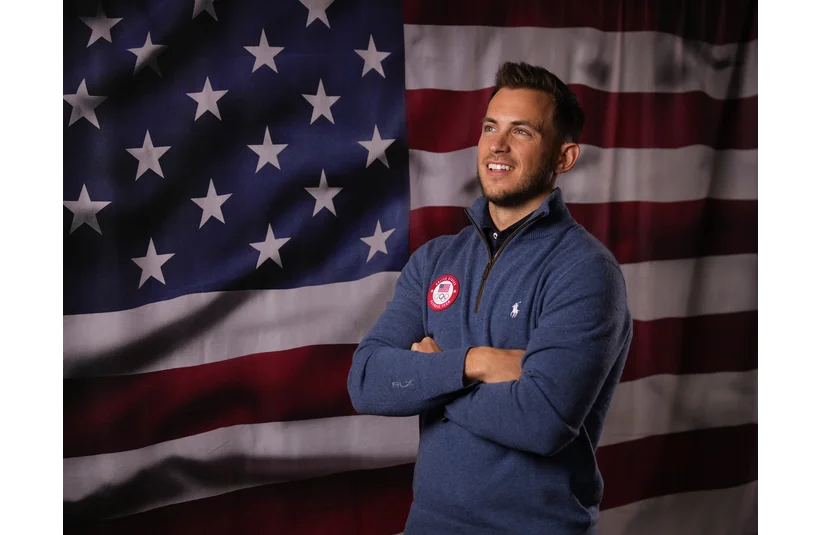
Take Korey Dropkin. On the ice, he’s a tactician, reading angles and executing shots with surgical precision. Off the ice? He’s helping you find a 3-bedroom, 2-bath with a nice backyard. Dropkin works full-time as a realtor.
It’s a career that requires hustle, networking, and being on the ball, which are traits that honestly translate pretty well to elite sports. But the logistics are tough. He lives in Duluth, Minnesota, a city that has become a sort of Mecca for American curlers.
He didn’t just end up there by accident. “If I want to pursue my dreams… I need to live in Duluth,” Dropkin admits. It was a strategic move that prioritized his access to top-tier ice and training partners. Balancing closing dates with competition dates is a high-wire act, but it’s one he’s willing to perform for a shot at the podium.
From Wastewater Labs to the World Stage
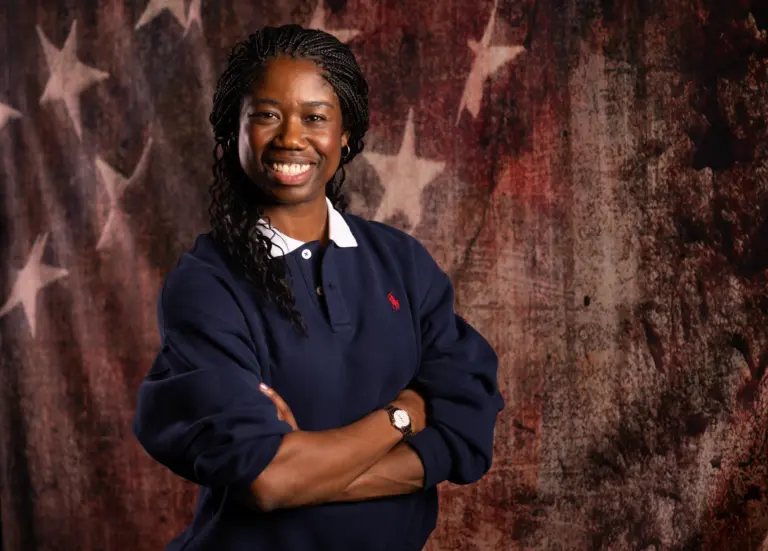
Then you have Cory Thiesse. Her 9-to-5 is perhaps even further removed from the glitz of the Olympics. She works for a company that conducts mercury testing in wastewater.It’s essential, scientific work, and it’s about as far from the “celebrity athlete” lifestyle as you can get.
Thiesse is a Duluth native, born and bred in the cold, so curling is practically in her DNA. She started at age eight, following in her parents’ footsteps. For Thiesse, the job isn’t a burden; it’s a blessing.
She notes how grateful she is to have an employer that offers flexibility. “I feel grateful that I have a job that pays the bills while I go compete in curling,” she says. That flexibility is the golden ticket. It allows her to shift gears from scientist to Olympian without losing her financial security.
![[US, Mexico & Canada customers only] Jan 31, 2026; Anterselva Di Mezzo, ITALY; A general view of the Olympic rings near Anterselva di Sopra (Antholz Obertal), which will host the biathlon competition at the Sudtirol Arena Alto Adige in preparation for the Milano Cortina 2026 Olympic Winter Games. Mandatory Credit: Fabrizio Bensch/Reuters via Imagn Images](https://totalapexsports.com/wp-content/uploads/2026/02/USATSI_28127752.webp)
A 20-Year Dream in the Making
Despite the grind of working full-time, neither athlete has lost sight of the magic. The logistics might be heavy, but the curler’s dream is buoyant.”This is what we’ve been dreaming of since we were little kids,” Thiesse says. And you can feel that sincerity. There’s something incredibly pure about working a regular job just so you can afford to do the thing you love at the highest level possible.
Dropkin echoes that sentiment. He talks about how he’s been dreaming of this qualification for 20 years. Two decades of practice, of sweeping, of strategy, all culminating in the chance to wear the red, white, and blue.
As they prepare for the mixed doubles competition starting February 4, they carry more than just their stones. They carry the hopes of everyone who has ever had to grind before the sun comes up or after the sun goes down to pursue a passion.
What’s Next
They are proof that you can be a realtor, a scientist, and an Olympian. So when you see them on the ice, remember the double life they lead. They aren’t just competing against the world’s best; they’re winning against the daily grind.