SPS Abruptly Ends Bid To Acquire AM Racing’s NASCAR O’Reilly Team

The garage area is buzzing today with unexpected news that reshapes the outlook for the upcoming season. The highly anticipated deal that would have brought Sigma Performance Services Racing into the NASCAR O’Reilly Auto Parts Series by acquiring AM Racing’s operation has officially collapsed.
For a sport that thrives on momentum and long‑term planning, the timing of this reversal sends shockwaves through both organizations and the wider paddock. Just a few months ago, in November, the agreement appeared all but finalized. SPS Racing, already active in the ARCA Menards Series and late model competition, seemed poised to make the jump into national‑level stock car racing.
Their expansion was viewed as a natural next step for a team that had been steadily building its infrastructure and competitive profile. But as anyone in the sport knows, deals can unravel quickly when the financial, operational, or strategic pieces do not align.
A Sudden Shift in Plans
On Friday, the racing world learned that the acquisition, which had been progressing publicly and confidently, was no longer happening. The timing is jarring, especially considering how far along the transition appeared to be. Only two weeks ago, AM Racing unveiled a pit box wrapped in SPS Racing branding, signaling to the entire garage that the partnership was moving full steam ahead.
The collapse raises questions about what changed behind closed doors. Acquisitions of this scale involve months of due diligence, sponsor commitments, manufacturer agreements, personnel contracts, and long‑term financial modeling.
When a deal falls apart this late, it usually means one of those pillars gave way. Whether it was a funding issue, a disagreement over operational control, or a shift in long‑term vision, the breakdown clearly happened fast.
The Statement That’s Got The Entire Garage Talking
AM Racing confirmed the split in a statement that struck a tone of resilience rather than disappointment. “While the transaction ultimately was not finalized, AM Racing will move forward independently and remain committed to competition in the NASCAR O’Reilly Auto Parts Series,” the team said.
They emphasized their intention to build on their existing foundation and promised that driver and team announcements are coming soon. The statement suggests a team trying to steady itself after weeks of uncertainty.
AM Racing had already begun preparing for a new ownership structure, and reversing course this late means re‑establishing internal direction at a time when most teams are finalizing their Daytona packages.
The View From The SPS Garage
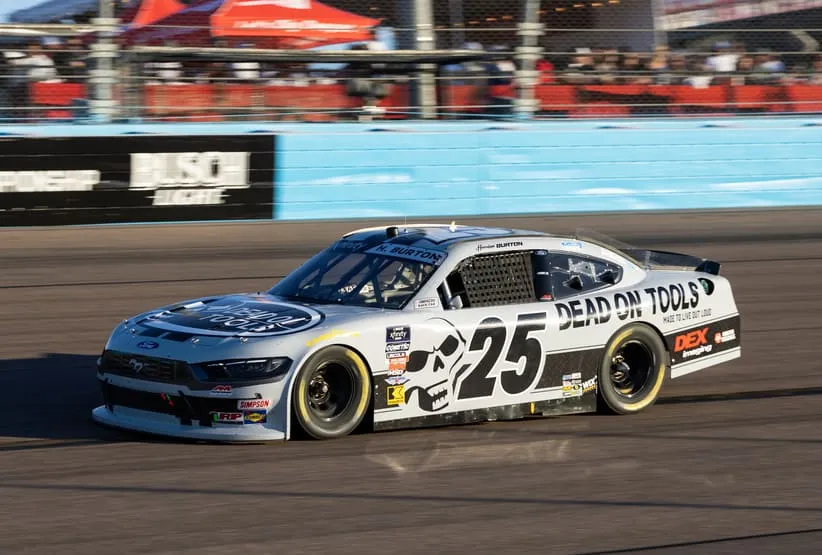
For SPS Racing, the reversal marks a significant pivot. The team had already begun shifting resources and preparing for the takeover, including transferring owner points from AM Racing’s No. 25 Ford to the No. 76 entry in anticipation of a full rebrand. Moves like that require coordination with NASCAR, sponsors, and technical partners. They’re not made casually.
SPS addressed the termination on its website, noting that its involvement in the program ended on January 28, 2026. Despite the abrupt halt, their tone remained professional and cooperative. Team owner Joe Farré praised the work done during the transition period.
“We are proud of the work that we did in assembling an incredible team of people, resources, and technical partners,” he said. Farré expressed confidence in the original plan and emphasized that SPS is working closely with AM Racing leadership to ensure a “smooth and effective transition” back to the original ownership structure.
Reevaluating The Long-Term Strategy
The collapse forces SPS to reevaluate its long‑term strategy. Their attempt to enter NOAPS was a major step toward expanding their footprint in national stock car racing. Now, they must decide whether to pursue another acquisition, build their own program from the ground up, or refocus on ARCA and late model competition.
Each option carries different financial and competitive implications, and the timing of this setback complicates them all. There’s also the matter of sponsor relationships. Many partners were preparing for a national‑series debut under the SPS banner. Resetting those expectations and keeping those partners engaged will require careful communication and a clear plan for next steps.
What This Means for the 2026 Season
This development leaves AM Racing facing a critical stretch of uncertainty at the worst possible time. The team finished 13th in the owner’s standings last season and reached the playoffs with Harrison Burton behind the wheel. With Burton moving on to new opportunities, the No. 25 Ford Mustang remains without a publicly announced driver.
The failed acquisition forces AM Racing to regroup quickly. Instead of handing over the reins to SPS, they must now finalize their competitive package independently, a tall order with the season opener looming. Crew members and engineers who believed they were transitioning to a new organization now face a period of limbo, though Farré’s comments suggest both sides are working to minimize disruption.
The sponsorship landscape adds another layer of complexity. Deals negotiated under the assumption of an SPS‑backed program may need to be restructured or renegotiated entirely. Sponsors often commit based on leadership stability and long‑term planning, two things AM Racing must now reestablish quickly.
Factoring In The Competitive Standpoint
From a competitive standpoint, the team’s offseason development may have been slowed by the uncertainty surrounding the acquisition. Engineering direction, personnel assignments, and resource allocation all hinge on knowing who is in charge. With the takeover now off the table, AM Racing must accelerate its internal decision‑making to avoid falling behind before the season even begins.
The collapse also reshapes expectations across the garage. Teams that anticipated a strengthened SPS‑AM alliance will now be watching closely to see whether AM Racing can maintain its momentum or whether the setback will create early‑season instability.
Meanwhile, SPS Racing’s next move could shape the competitive landscape for years to come, depending on whether it pursues another entry or regroups for a future season. There’s also a broader industry angle: NASCAR’s middle‑tier teams often rely on mergers and acquisitions to stay competitive.
When a deal of this size falls apart, it signals the financial pressures and operational challenges facing teams outside powerhouse organizations. The SPS‑AM breakup becomes a case study in how fragile these arrangements can be.
What’s Next
In motorsports, stability is often the key to speed, and this late‑stage breakup introduces a variable neither organization wanted this close to Daytona. AM Racing has shown it can compete. Last year’s playoff run proved that, but doing so while navigating an ownership transition that never materialized is a challenge few teams would envy.
As the sport awaits AM Racing’s driver lineup and sponsorship plans, one thing is clear: the road to the 2026 season has just become far more complicated for the team. How they respond in the coming weeks will determine whether this setback becomes a footnote or a defining moment. For SPS Racing, the failed acquisition may be only the beginning of a larger story, one that could reshape its ambitions and its place in the NASCAR ladder.