The Ultimate Fan Guide to Olympic Cross-Country Skiing for Milano-Cortina 2026

The Winter Olympics are approaching fast, and eyes are turning toward the snowy tracks of Milano-Cortina 2026. While sports like downhill skiing or snowboarding often grab the flashy headlines, cross-country skiing offers a different kind of thrill. It is a brutal display of raw human endurance mixed with high-speed chess.
If you’ve tuned in during past Games only to be confused by why athletes are changing skis halfway through a race or why some are skating while others are striding in tracks, you aren’t alone. Here is everything you need to know to follow the action when the world’s best endurance athletes line up in Italy.
The Two Main Techniques: Classic vs. Freestyle
Before diving into the race formats, you need to spot the difference between the two skiing styles. Athletes don’t just choose the one they like best; the specific event dictates the style.
Classic Technique
Think of this as the traditional “skiing” motion. Athletes move their skis parallel to each other, usually within machine-groomed tracks cut into the snow. They use a diagonal stride that looks a bit like an exaggerated run. It relies heavily on “kick” and grip. If a skier’s wax is wrong, they will slip backward on the uphills.
Freestyle (Skate) Technique
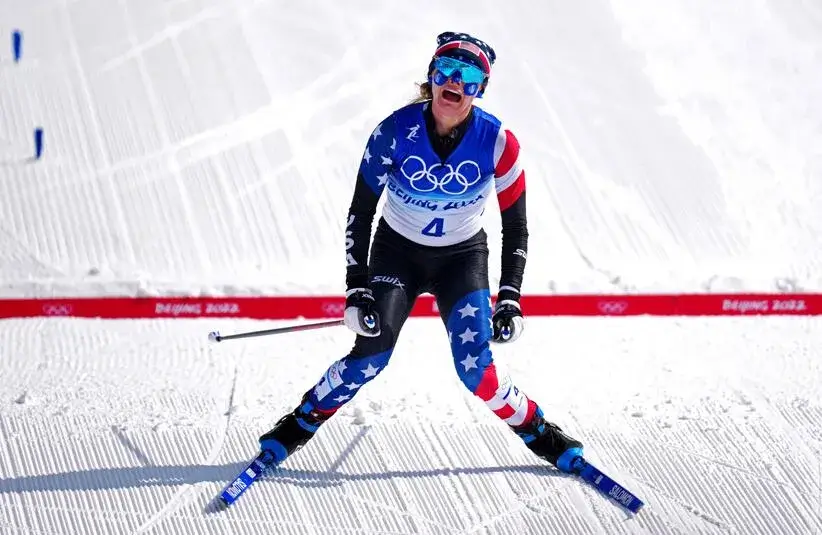
This looks exactly like it sounds—ice skating on snow. The skis are generally shorter and stiffer, and the athlete pushes off the edge of the ski in a V-shape. There are no tracks for this style. It is significantly faster than classic skiing and requires a different rhythm and muscular explosion.
Decoding the Race Formats
At Milano-Cortina 2026, you will see a mix of events. Each tests a different physiological system, from pure explosive power to marathon-level stamina.
The Sprint
This is cross-country skiing’s version of the 100-meter dash, though it takes about three minutes. It starts with a qualification round where skiers race the clock. The top 30 move on to elimination heats (quarterfinals, semifinals, and finals).
- What to watch for: Positioning is everything. Skiers will slow down to avoid leading into the wind, only to explode with speed in the final 100 meters. Contact and crashes are common.
Individual Start (Interval)
This is the “truth serum” of skiing. Racers leave the starting gate one by one, usually every 30 seconds, and race against the clock.
- What to watch for: There is no pack to hide in. An athlete can cross the finish line first physically but still lose the race if a rival behind them skied the course faster.
Mass Start
Everyone starts at the sound of the gun. These are chaotic, tactical battles. Skiers often stay in a large pack to draft off one another and conserve energy, leading to a frantic sprint finish.
- What to watch for: Look for team tactics. Stronger nations will often use teammates to block lanes or set a blistering pace to tire out sprinters before the finish line.
Skiathlon
Perhaps the most unique format in the Olympics, the Skiathlon combines both disciplines. Racers start with classic skiing. Halfway through the race, they enter a transition zone (like a Formula 1 pit stop), swap their gear for skate skis, and finish the race using the freestyle technique.
- What to watch for: The transition. A slow equipment change can cost a skier the medal pack. It also tests versatility; a skier must be world-class at both styles to win.
The Relay
National pride is on the line here. Teams of four (men or women) take turns skiing legs of the race. The first two legs are usually classic, and the final two are freestyle.
- What to watch for: The “tag” zone. Strategy is key here—coaches will put their best sprinter on the anchor leg to outkick opponents in the final stretch.
The Invisible Teammate: Wax and Tech
You cannot talk about Olympic cross-country skiing without mentioning wax. It sounds trivial, but it decides races.
Technicians work around the clock reading snow temperature, humidity, and crystal structure. In classic races, they need a wax that grips the snow enough to climb hills but glides freely on the way down. In freestyle, it’s all about minimizing friction. If you see a favorite struggling to climb a hill, it’s likely a wax failure, not a fitness failure.
Frequently Asked Questions
What is the difference between classic and freestyle skiing?
Classic skiing uses a straight, diagonal stride inside groomed tracks, similar to walking or running. Freestyle (or skate) skiing uses a V-shaped skating motion on a wide, groomed path and is generally much faster.
How do they decide who wins a Sprint race?
It isn’t just one race. It starts with a timed qualification (time trial). The fastest 30 skiers advance to head-to-head elimination heats (quarterfinals and semifinals). The top competitors from those heats race in a final to determine the medalists.
Why is ski waxing so important?
Wax controls the interaction between the ski and the snow. In classic skiing, you need “kick wax” to get traction on hills. If the wax is wrong, the ski slips backward. In both styles, “glide wax” is used to make the ski fast. At Olympic speeds, the wrong wax can cost an athlete minutes.
What To Expect in 2026 For Olympic Cross Country Skiing
The courses at Milano-Cortina are expected to be physically demanding. The terrain plays a massive role in who wins. Steep, long climbs favor the lightweight aerobic monsters who can dance up mountains. Rolling, flatter courses favor powerful skiers who can generate massive force with every pole push.
As we get closer to the games, keep an eye on the World Cup circuit to see who is mastering both the technique and the tactics. When race day arrives, you’ll know exactly what you’re looking at.