Speed, Snow, and Glory: A Guide to 2026 Olympic Alpine Skiing

Alpine skiing has become one of the most talked‑about winter sports because it pairs breathtaking speed with razor‑thin margins—races are often decided by hundredths of a second.
As we look toward Milano-Cortina 2026, interest in the sport is hitting a fever pitch. With iconic venues, a split hosting format, and the return of marquee athletes, the stage is set for a historic games. Here is everything you need to know about alpine skiing including how the races are won, and what to expect.
What is Alpine Skiing?
If there is one word to describe it, it would be speed. Unlike mass-start events, alpine skiers race individually down a course marked by colorful gates. The objective is simple: get from the start hut to the finish line in the fastest legal time.
Breaking Down the Disciplines
This sport is divided into two main categories for the Olympic. The first is Speed events usually Downhill and Super-G, and the second is technical events usually Giant Slalom and Slalom
The Speed Events
These Alpine Skiing races are defined by raw velocity and courage. They usually consist of a single run.
- Downhill: This is the Formula 1 of skiing. It features the longest courses, the fewest turns, and the highest speeds. It is a pure test of guts and gliding ability.
- Super-G (Super Giant Slalom): Think of this as the hybrid between speed and technique. It is still incredibly fast, but the course has more turns. Skiers have to blend that raw velocity with the technical ability to hold a tight line through frequent gates.
The Technical Events
These events prioritize agility, quick reflexes, and precise turning. Unlike the speed events, technical races are decided over two runs. The lowest combined score gets better score.
- Giant Slalom (GS): This is often considered the fundamental discipline of alpine skiing. It features wider, faster turns than Slalom but requires more technical precision than the speed events.
- Slalom: The shortest and most technical course on the mountain. The gates are set close together, forcing skiers to make rapid-fire turns. The margin for error is nonexistent; skiers knock the spring-loaded poles out of the way with their shins as they fight to stay on the fall line.
Alpine Skiing Rules and Scoring Essentials
While the premise is fast skiing, the rules ensure fairness and safety.
The Clock is King
Timing in alpine skiing is brutal. Runs are timed to the hundredth of a second. It is not uncommon to see podium spots decided by 0.01 seconds—literally the length of a ski tip. In two-run events (GS and Slalom), consistency is key. A blistering first run means nothing if the skier crashes or makes a major error in the second.
Navigating the Gates
Skiers must pass between every pair of red or blue gates. If an athlete straddles a gate (one ski inside, one outside) or misses a turn entirely, they are disqualified. This makes risk management a huge part of the strategy. Push too hard, and you risk missing a gate; play it too safe, and you lose time.
The Start Order
The condition of the snow changes as more skiers go down the course. Often, the track becomes “rutted” or icy later in the race. Therefore, start order matters immensely. World Cup rankings and FIS points determine seeding, aiming to give the top contenders the best possible snow conditions (usually early in the pack).
Milano-Cortina 2026: A Tale of Two Mountains
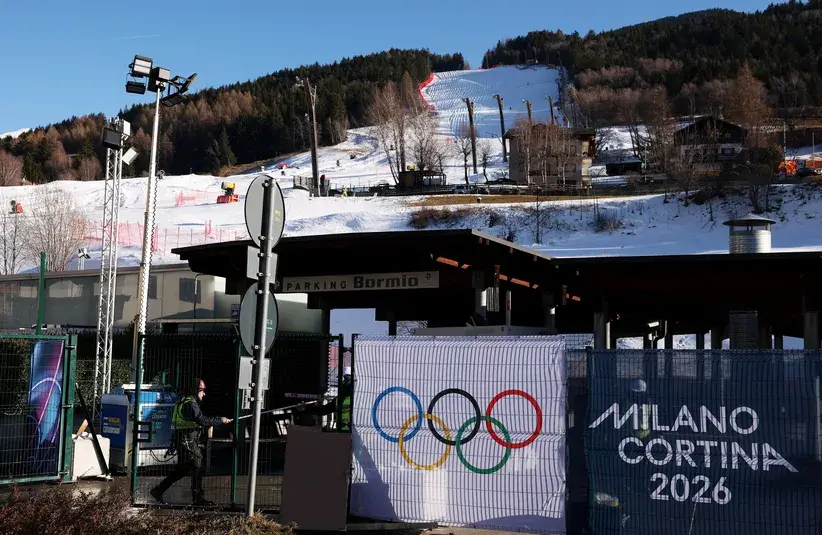
The 2026 Winter Olympic Games are shaking things up with a geographically broad footprint. The alpine events will be split across two legendary venues, reflecting the grandeur of the Italian Dolomites.
- The Men: Will compete at the Stelvio in Bormio, a much more physical and steeper course.
- The Women: Will take on the Tofane in Cortina d’Ampezzo which is more technical and visually stunning course.
Frequently Asked Questions
How are winners decided in two-run events?
In technical events like Slalom and Giant Slalom, the winner is determined by the lowest combined time from both runs.
What’s the difference between downhill and super-G?
Downhill is the longest course with the highest speeds and fewest turns. Super-G is shorter and technically more demanding, featuring more gates and turns than downhill.
When Is The Milano-Cortina 2026 Olympics?
It takes place from February 4th – February 22nd
Ready for the Slopes?
Whether you are tuning in for the pure adrenaline of a downhill blast or the tactical duel of a second-run slalom, understanding the nuances of the sport makes every run more compelling. As we head toward Milano-Cortina 2026, keep an eye on those hundredths of a second—that is where history is made.