
National Baseball Hall Of Fame Announces 2026 Inductees

After years of agonizing waits, fierce debates, and plenty of hand-wringing over morality clauses, the Baseball Writers’ Association of America (BBWAA) finally got it done. Carlos Beltrán and Andruw Jones have punched their tickets to the Hall of Fame.
On Tuesday night, the Class of 2026 was revealed, and it feels like a victory for the turn-of-the-millennium superstars. Beltrán, the silky-smooth switch-hitter who could do it all, and Jones, arguably the greatest defensive outfielder to ever roam the grass, cleared the 75% threshold. They’ll be joining Jeff Kent, who got the nod from the Contemporary Baseball Era Committee earlier, on stage this July 26.
Carlos Beltrán: From Controversy To the Hall of Fame
Beltrán should have been a first-ballot guy. If you look strictly at the back of his baseball card, it’s a no-brainer. We’re talking about a guy with 435 home runs, 312 stolen bases, and 2,725 hits. He’s one of only five players in history to join the 400-homer, 300-steal club. The other names on that list? Barry Bonds, Alex Rodriguez, Willie Mays, and Andre Dawson. That is royalty.
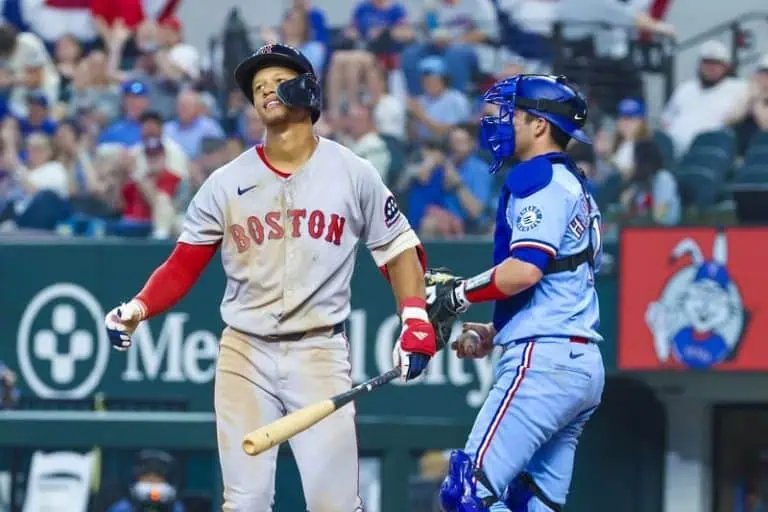
But Beltrán’s road to the Hall of Fame had a massive pothole: The 2017 Houston Astros sign-stealing scandal. Being the only player named in the commissioner’s report cost him his job managing the Mets before he even managed a game, and it landed him in the penalty box with voters for a few years.
However, time heals all wounds—or at least, it allows voters to separate the sin from the sinner. In his fourth year on the ballot, Beltrán skyrocketed to 84.2% of the vote. It’s a redemption arc that acknowledges a simple truth: you can’t tell the story of baseball in the 2000s without Beltrán. He was a nine-time All-Star, the 1999 Rookie of the Year, and arguably one of the greatest postseason performers we’ve ever seen.
Andruw Jones: The Long Road From Curacao To Cooperstown
If Beltrán’s wait was a penalty box, Andruw Jones’ wait was a test of endurance. Jones sat on the ballot for nine years. In his first year of eligibility, he scraped together just 7.3% of the vote. Usually, when you debut that low, you fall off the ballot and into obscurity. But the movement to recognize Jones’ defensive brilliance gained steam every single winter.
Jones finished with 78.4% of the vote this year, finally getting the respect he deserves. If you watched the Atlanta Braves in the 90s and 2000s, you know this man played a different sport than everyone else. He won 10 straight Gold Gloves. He didn’t just play center field; he owned it. He played so shallow he was basically a fifth infielder, yet he still went back on balls better than anyone.
Chipper Jones, his longtime teammate and fellow Hall of Fame resident, put it best: “In my opinion, it’s not arguable. Nobody did it better.”
Beyond the glove, Jones mashed 434 homers. Sure, he fell off a cliff production-wise in his 30s, but his peak was undeniable. He also makes history as the first native of Curaçao to be elected, paving the way for the island’s incredible baseball pipeline.
Who Missed the Cut For the Hall of Fame Class Of 2026?
While champagne was popping for Beltrán and Jones, the news was bittersweet for others.
Chase Utley is making a serious charge. The Phillies legend jumped to 59.1% in just his third year. At this rate, he is on a glide path to induction, probably within the next two or three cycles. He’s the darling of the analytics crowd, and the general voting body is catching up.
Then there’s the heartbreak. Andy Pettitte is inching closer (48.5%) but is running out of time on his 10-year clock. Felix “King” Hernandez made a nice jump to 46.1%, proving that his peak dominance might eventually get him in.
And finally, we say goodbye to Manny Ramirez. In his 10th and final year, the slugger topped out at 38.8%. His two suspensions for performance-enhancing drugs were simply a wall he couldn’t climb. It’s the end of the line for Ramirez on the writers’ ballot, leaving his fate to the historical committees down the road.
But today belongs to the center fielders. Come July, Cooperstown is going to look a lot like the mid-2000s All-Star Game outfield.