Olympic Gold Medalist Yannick Agnel Charged With Rape, Set to Face Trial

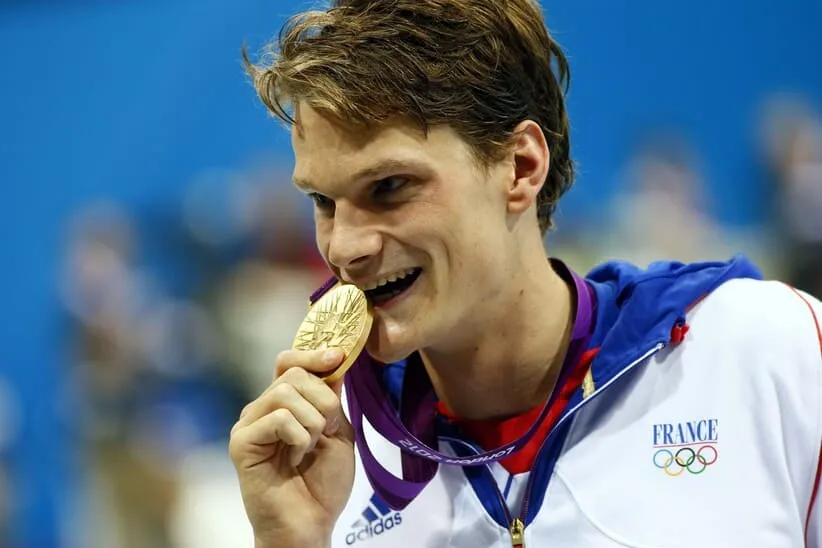
Yannick Agnel was once the face of French swimming, standing on the podium in London as a champion. Now, he faces up to twenty years in prison. The two-time Olympic gold medalist has been indicted for the alleged rape and sexual assault of a minor.
This isn’t just administrative news. It marks the collapse of a reputation. The public prosecutor’s office in Mulhouse confirmed the indictment, paving the way for a criminal trial that will likely be remembered as a grim moment in French sports history.
The Charges Against a Fallen Star
Information from the prosecutor general’s office in Colmar reveals a troubling situation. Agnel is accused of having sexual relations with the daughter of his former coach, Lionel Horter. When the alleged offenses occurred in 2016, Agnel was a 24-year-old international star. The victim was only 13.
The legal situation intensified this week when a French appeals court denied a motion from Agnel’s lawyers to stop the trial. His team tried to prevent the case from moving forward, but the court ruled that the proceedings must continue.
According to the indictment, the abuse took place over roughly eight months:
- Start Date: December 31, 2015
- End Date: August 31, 2016
- Locations: France, Spain, Thailand, and Rio de Janeiro during the 2016 Olympic Games
A Legacy Tainted by Betrayal
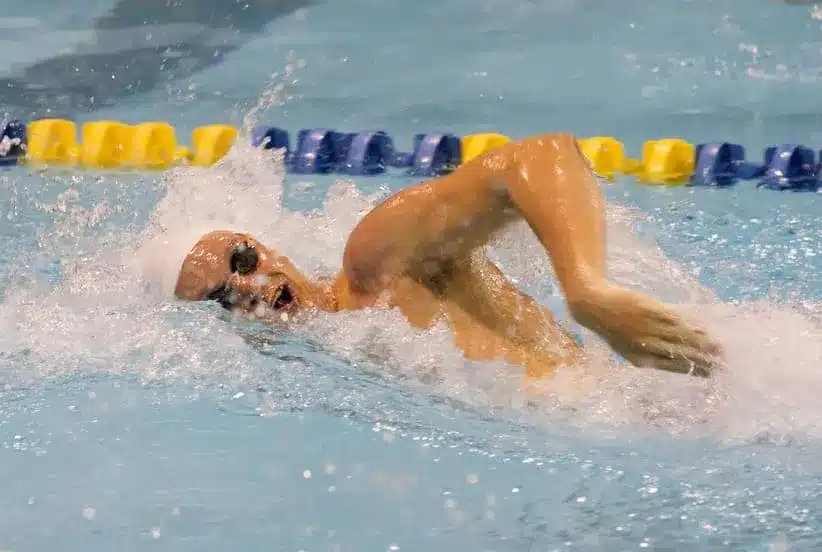
To grasp the weight of this indictment, you need to recall Agnel’s status among the French public and the swimming world. Before these accusations, he was the driving force behind a resurgence in French swimming.
Agnel arrived on the world stage as a teenager, grabbing European titles early. His defining moment happened at the 2012 London Olympics. France’s 4x100m freestyle relay team was behind the United States, which included Michael Phelps and Ryan Lochte, until Agnel took the final leg.
He swam a blistering 46.74 split, shocking the Americans and winning gold for France. Two days later, he won the 200m freestyle final by nearly a full body length. His time of 1:43.14 remains historically fast.
He also took silver in the 4x200m freestyle relay, securing his place as the face of the sport at age 20. He was known for being articulate and intellectual, often discussing literature and philosophy rather than just training.
That reputation is now collapsing under these headlines. The alleged victim was the daughter of the man guiding his career, representing a massive breach of trust within a close coaching environment.
Agnel retired suddenly in 2016 after a poor performance in Rio, the same period prosecutors say these crimes occurred. He claimed he was moving on to new things, but few expected that path would lead to a criminal court in northeastern France.
The Legal Battle and “Coercion”
Since his arrest in December 2021, the swimmer’s defense has stuck to a specific story. Reports suggest Agnel admits the sexual acts happened but denies any “coercion.”This defense hits a wall with French law. In 2021, the country strengthened its laws regarding sexual violence against minors.
The age of consent is now explicitly set at 15. Legally, sex with a minor under 15 constitutes rape, removing arguments about “consent” that defense lawyers typically use. If convicted, the penalties are severe:
- Rape of a minor: Up to 20 years in prison
- Sexual assault of a minor: Up to 10 years in prison and heavy fines
Agnel has one option left. He has 10 days to appeal to the Court of Cassation, France’s highest court. But with the appeals court’s recent rejection, his options are running out, so stay tuned for updates.
What This Means for Elite Sports
Yannick Agnel’s indictment forces a difficult discussion that sports organizations often avoid. This case highlights the vulnerability of minors in elite athletic settings. Here is why this trial extends beyond the courtroom:
- The Power Dynamic: There is a massive gap between a 24-year-old Olympic star and a 13-year-old girl. The difference in age, status, and power is stark. It challenges the sports world to look at how athletes interact with staff families.
- Retrospective Accountability: Going to trial years later sends a message: time doesn’t remove responsibility, and fame doesn’t protect the accused.
- Institutional Failure: If these allegations are true, we must ask who else knew. The incidents reportedly happened internationally during camps and competitions, suggesting that safeguarding protocols failed a 13-year-old girl repeatedly.
Public Reactions and Social Media Outcry
The indictment sparked shock and anger across France and the sports community. Former teammates expressed disbelief that a figure representing French excellence could face such charges. Sports journalists called the news a heavy blow to a sport that viewed Agnel as a model of discipline.
Legal experts noted the court’s decision shows France’s willingness to pursue high-profile figures. Among fans, the reaction has been a mix of heartbreak and fury; many felt betrayed that a childhood hero might have committed acts they called “unthinkable.”
Others argued that if the abuse happened across multiple countries, the system around him failed completely. Even the French Swimming Federation acknowledged “deep concern” and stressed the need for better protection for minors.
What’s Next
The swimming world is preparing for a trial that will likely be difficult and emotional. Yannick Agnel, once a national hero, is now accused of a crime that gold medals cannot hide. While he remains presumed innocent until a verdict is reached, the indictment itself is damning. His 2016 retirement, once seen as an athlete leaving on his own terms, now looks very different. The competition is over; the legal reckoning has begun.