NASCAR 2026 Rulebook: No More Free Passes

If you’ve been following the noise surrounding NASCAR lately, you know the offseason was anything but quiet. Between the antitrust lawsuit settlement, the uncomfortable leadership exit, and the revamped revenue sharing, the sport has undergone a massive facelift.
But now that the ink is dry on the legal documents and the haulers are headed to Daytona, we need to talk about what actually happens on the asphalt. The sanctioning body finally dropped the hammer on the competition side. These aren’t just minor tweaks. They signal a shift in philosophy.
It’s about creating a fairer shake for new blood, tightening the screws on safety, and making sure the path to the championship isn’t paved with loopholes. Here is a breakdown of the critical updates for the 2026 Cup, O’Reilly Auto Parts, and Craftsman Truck Series seasons.
The “RAM” Rule: Open Arms for New Manufacturers
For years, we’ve heard the rumors about a fourth manufacturer wanting in. Now that RAM is officially eyeing the Truck Series, NASCAR is making sure they don’t get embarrassed in their debut. There is nothing more demoralizing for a new factory team than spending millions on development only to miss the show because of a bad qualifying lap.
To fix this, NASCAR instituted a new OEM provisional. For the first three races of the season, a new manufacturer can utilize slots 37 through 40 on the grid if they don’t qualify on speed. This is a compassionate move.
It acknowledges that building a program from scratch is grueling work. By using speeds from the first qualifying round to assign these spots, the sport is giving new engineers and drivers a grace period to find their footing without the heartbreak of a “DNQ” (Did Not Qualify) next to their names.
Tightening the Lug Nut Protocols
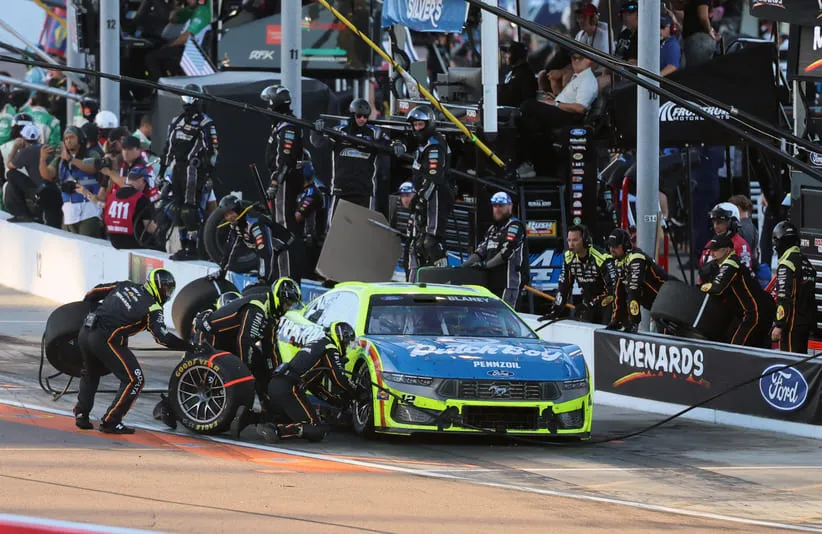
Pit road is a chaotic ballet, and the pressure on tire changers is immense. These athletes operate in milliseconds, and a loose wheel can be catastrophic not just for race results but for driver safety. NASCAR reworked penalties for the O’Reilly Auto Parts and Truck Series to be more consistent. Here is the reality crews face now:
- 19 of 20 secure: You lose your pit selection for the next race. It hurts strategy, but it’s survivable.
- 18 of 20 secure: Now it gets expensive. That’s a $5,000 fine in O’Reilly ($2,500 in Trucks) and a one-race suspension for a crew member. That is a guy’s livelihood on the line.
- 17 of 20 secure: The fine doubles, and you lose two crew members.
- 4 missing: Immediate disqualification.
It sounds harsh, but when you see a wheel bounce across a track at 180 mph, you understand the necessity. This forces teams to prioritize safety over that extra tenth of a second.
Clarifying the Fastest Lap Award
There was a gray area in the Cup Series regarding the Fastest Lap Award that needed cleaning up. In the past, teams might have had a damaged car, taken it to the garage, patched it up enough to run one glory lap, and claimed the award.
No more. If your car goes behind the wall to the garage, you are ineligible for the fastest lap. You can still earn it if you are fixing the car on pit road, provided you beat the seven-minute “damaged vehicle policy” clock, but once you retire to the garage, your statistical day is done. It preserves the integrity of the stat sheet.
Youth Movement: Age Limit Adjustments
The development ladder in racing is brutal. You have kids with immense talent who are stuck waiting for birthdays to legally drive a race car. NASCAR adjusted the eligibility requirements for the O’Reilly Auto Parts Series, lowering the minimum age to 17 for tracks 1.25 miles or shorter.
This is a smart middle ground. It keeps teenagers off superspeedways like Talladega, where the danger is amplified, but lets them cut their teeth on short tracks and technical intermediates. It bridges the gap between the Craftsman Truck Series (age 16) and the Cup Series (age 18), making the transition smoother for these young prospects.
Curbing the Cup Drivers
It’s an age-old complaint: Cup Series veterans dropping down to the junior leagues and stealing wins from the regulars. It’s great for ticket sales, but tough on the series regulars fighting for a title. The new rule changes ban Cup drivers from the final eight or nine races of the O’Reilly season and the final seven Truck races.
This clears the runway for the championship contenders to settle it amongst themselves. However, in a nice twist, Cup drivers can run the regular-season finale. This adds a little star power to the race that decides the playoff field, without interfering with the playoffs themselves.
What This Means for the 2026 Season
When you look at these updates collectively, you see a sport trying to mature. The waiver implication rule is perhaps the strongest message sent. If a driver gets suspended and asks for a waiver to remain eligible for The Chase, they don’t keep their bonus points.
They start at a flat 2,000 or equivalent. This strips away the safety net. It tells the drivers and teams that actions have consequences that will follow you all the way to the championship race. Ultimately, these changes bring stability.
After the chaos of the antitrust suit and the leadership shakeups, the garage area needed a clear, rigid rulebook. It protects pit crews, nurtures young talent, and ensures that when a manufacturer like RAM invests in NASCAR, they get a fair shot at competing.
Where This Takes 2026
The 2026 season is shaping up to be one of redemption. The sport has taken its financial and legal lumps, but the product on the track remains the priority. By refining these rules, NASCAR aims to ensure that headlines for the rest of the year focus on photo finishes and championship battles, not lawsuits and loopholes. It’s time to go racing.