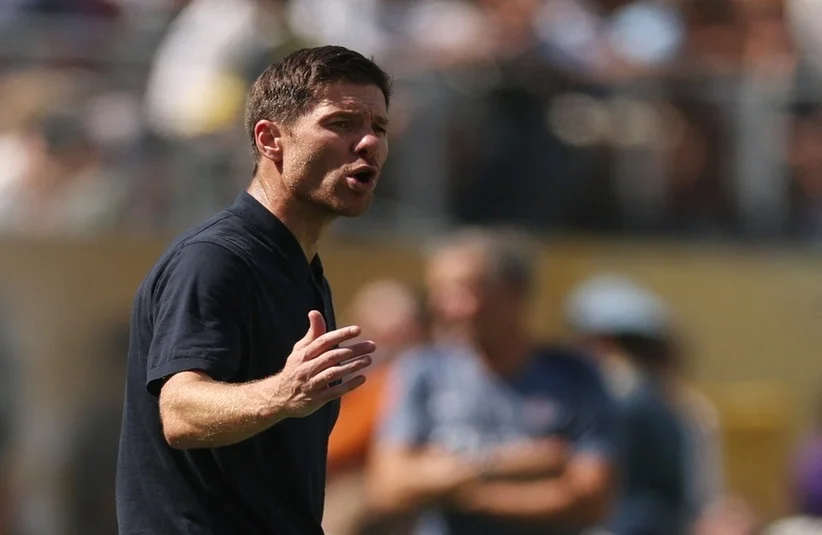
Player Power Strikes Again: Real Madrid Stars Showed Zero Respect To Alonso

Real Madrid’s coaching experiment with Xabi Alonso at the helm has imploded in dramatic fashion. After just seven months in charge, the club parted ways with their head coach amid reports of deep-seated unrest in the dressing room.
The tipping point wasn’t just poor results on the pitch. According to Marca, Real Madrid players repeatedly showed “zero effort” during tactical training sessions. They openly resisted Alonso’s methods, a breakdown in commitment that drove one of football’s brightest young coaches to his breaking point.
What happened inside Real Madrid’s training ground goes far beyond an ordinary spat between manager and players. The clash was cultural, philosophical, and rooted in fundamentally different views about professionalism, tactical work, and authority.
Xabi Alonso’s Vision Clashed With The Dressing Room Culture
From the day Xabi Alonso arrived at Real Madrid following his Bundesliga-winning stint with Bayer Leverkusen, it was clear his approach would be different. He brought a meticulous tactical philosophy built on intensity, structure, and rigorous preparation.
He expected his squad to buy into a new way of playing that emphasized pressing, tactical discipline, and accountability. However, the reality inside the Bernabeu dressing room was starkly different.
Many of the team’s established stars came from a period under Carlo Ancelotti, where tactical instruction was more fluid and less prescriptive. Players were used to latitude on the pitch, greater creative freedom and relatively lighter tactical scrutiny. As Alonso tried to instill more complex systems, players grew visibly uncomfortable.
In early December, amid growing pressure, Alonso was even forced to reduce tactical preparation video workloads after complaints that sessions were too long and overwhelming. Real Madrid players reportedly felt swamped by the volume of information being thrown at them, decreasing both morale and commitment.
This disconnect between manager and squad turned everyday duties into a source of tension. Training sessions, rather than uniting the group, became battlegrounds where tactical instructions bred resistance instead of cohesion.
The Explosive Training Ground Outburst That Signaled A Break
The situation eventually boiled over in early November during a routine training session, when Alonso exploded in frustration and uttered the now-infamous line: “I didn’t know I was coming to coach a nursery!” According to reports from Marca and corroborated by sources across Spanish media, this moment was not a tactical tantrum.
It was a raw expression of exasperation from a coach who felt his players were ignoring basic demands and showing little effort in tactical drills. Alonso was fighting a losing battle. Players were whispering amongst themselves, visibly detached during tactical sessions, and showing a lack of the intensity expected from elite professionals.
His intense scrutiny over every detail, from pressing triggers to positioning drills, was met with apathy. What he saw as necessary preparation was perceived by many players as burdensome micromanagement.
This clash of mentality exposed deeper fractures in team chemistry. Rather than galvanizing the squad, Alonso’s relentless focus on detail had alienated it. Players started to view tactical sessions not as opportunities to improve, but as chores to endure. This erosion of respect was toxic, and it didn’t stay behind closed doors.
Player Power And The Culture Of Resistance

The spectacular rift between Alonso and his squad cannot be reduced to a single incident. Multiple reports in Spanish media have suggested that senior figures were increasingly questioning Alonso’s authority, preferring a more player-centric environment where individuality reigns supreme.
This dynamic has roots deeper than Xabi’s tenure. Real Madrid’s modern dressing room is filled with global superstars like Vinicius Jr, Kylian Mbappe, and Jude Bellingham. They are accustomed to being doted on, indulged, and rarely questioned.
Alonso insisted on discipline, structure, and tactical immersion. Elements that require humility and effort, even from elite personalities, the players balked. Fans and analysts have pointed out that this resistance was not simply about tactical workloads. It was about power. Some segments of the squad appeared to believe that, at Real Madrid, individual status and reputation should outweigh a coach’s tactical agenda.
With a group of highly paid stars who have tasted immense success with little tactical demand in recent seasons. Alonso’s message was perceived as disruptive to ingrained norms. In football circles, this has been described as “player power” at its most effective, a situation where elite players subtly, and sometimes overtly, influence club decisions. Whether or not that is a fair characterization, it undeniably played a role in how the tactical standoff unfolded.
The Endgame: Results, Rotation, And The Ultimate Break
Amid the internal discord, Real Madrid’s performances on the pitch fluctuated. Early in Alonso’s tenure, there were promising signs, including an unbeaten streak and a Spanish Super Cup win.
But consistency evaporated. Draws and losses, including key defeats in La Liga and Europe, piled pressure on the coach. When you combine on-field inconsistency with a fractured dressing room, the pressure cooker was set to explode.
Ultimately, it did. Losses mounted, criticism intensified, and the hierarchy lost confidence. Real Madrid decided to end Alonso’s tenure by mutual consent shortly after a Spanish Super Cup defeat to Barcelona. Álvaro Arbeloa was named interim manager.
Interestingly, Arbeloa’s appointment, a manager regarded as less tactically rigorous, only underscores the club’s shift in priorities. The move signaled that Real Madrid, at least for now, places greater value on restoring harmony and player comfort than advancing a strict tactical regime.
What This Means For The Future Of Real Madrid
The fallout from Alonso’s departure raises serious questions about the club’s footballing culture, leadership, and future direction. A recent critique from former coach Álvaro Benito framed the situation as a “victory for the players” and lamented the erosion of discipline and of the coach’s authority at Real Madrid.
Benito warned that unless the club reaffirms the coach’s control, it risks sliding into mediocrity. If Real Madrid wants to remain at the pinnacle of European football, the club must reconcile its star-laden identity with a framework that demands tactical coherence and collective effort.
Talent alone cannot win major trophies without structure and buy-in from individuals who are prepared to work for a collective tactical identity. Whether Real Madrid can learn from this episode and create a balanced environment where tactical discipline and star power coexist remains to be seen.
What is clear is that Alonso’s brief yet turbulent tenure has exposed deep cultural tensions that extend beyond a single coach. If the club hopes to avoid similar chaos in the future, it will need to redefine expectations — both on and off the training ground.