Verstappen Gives First Verdict on Red Bull-Ford’s Roar for 2026

In motorsports, sound is more than just noise. It’s data. It’s the first sign of life from a machine built to conquer the world. For Max Verstappen, that first auditory taste of the future has finally arrived.
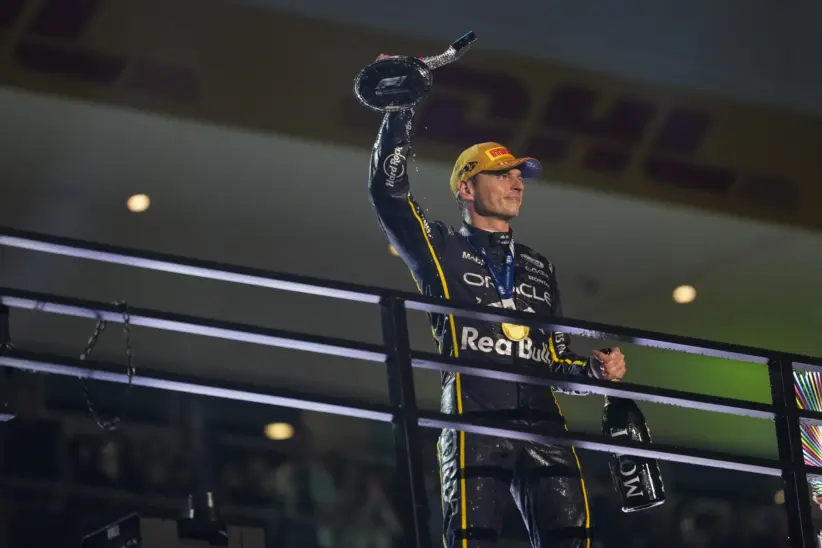
The three-time world champion recently confirmed he has heard the engine fire for the first time, the power unit tasked with carrying his championship hopes into the sport’s next major era. His verdict? It’s “crisp.” And for a driver known for his brutal honesty, that’s a promising start.
Verstappen Reactions: Analyzing the “Crisp” New Sound
The anticipation surrounding the 2026 regulations is palpable in the paddock. We are staring down the barrel of a complete overhaul of the sport, and Red Bull is taking the biggest gamble of all by becoming an independent engine manufacturer with the backing of American giant Ford.
During a recent appearance on Red Bull’s ‘Talking Bull’ podcast, Verstappen was pressed on whether he’d had a sneak peek or rather, a sneak listen to the project. He didn’t shy away.”It sounded good,” Verstappen shared, giving fans a rare glimpse behind the curtain at Milton Keynes. “Of course, you hear it on a dyno, but it sounded, like, crisp.”
There is a distinct human element to this revelation. Drivers are creatures of feel. While engineers look at graphs and horsepower curves on a screen, the driver looks for a connection. A “crisp” sound implies responsiveness, a clean firing order, and an engine that is ready to be pushed.
However, Verstappen, ever the realist, managed expectations regarding the auditory experience compared to the nostalgic past. “I mean, it’s not a V10,” he quipped. It’s a reminder that while the tech is moving forward, the guttural scream of the old days remains in the rearview mirror. But for 2026, “crisp” is exactly what the team needs to hear.
The High-Stakes Gamble for 2026
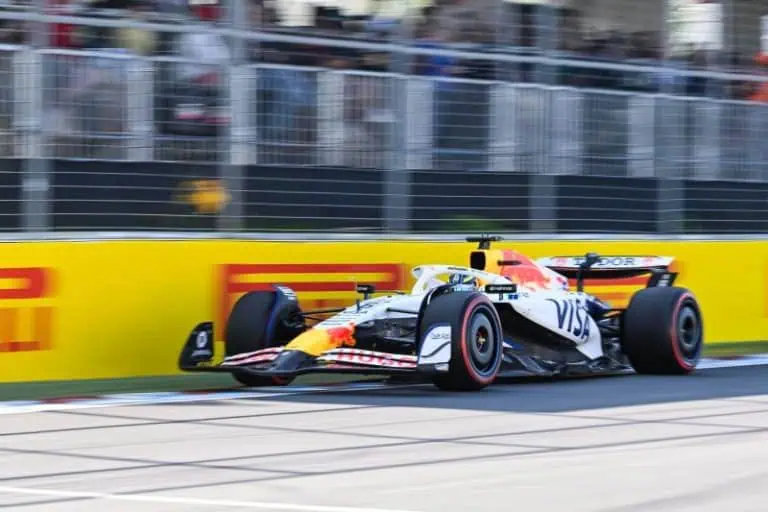
The shift to 2026 isn’t just a new coat of paint. It is a fundamental rewriting of the rulebook. The chassis will change, the active aerodynamics will alter how the cars fight the air, and the tires will shrink by 25mm at the front and 30mm at the rear.
But the heart of the beast is where the real anxiety lies. The new power units will feature a 50/50 split between electrical power and the internal combustion engine, running on fully sustainable biofuels. For Verstappen, the pressure is immense.
After narrowly missing out on a fifth World Championship in 2025 by a heartbreaking two points, the hunger to reclaim the throne is undeniable. The success of this Red Bull-Ford collaboration is the linchpin of his future success. If the engine delivers, Verstappen has the talent to do the rest. If it fails, he faces an uphill battle against rivals who have been building engines for decades.
A Step Into the Unknown
While Honda and Mercedes have already teased the public with audio clips of their 2026 power units, Red Bull has kept their cards close to their chest. This secrecy adds to the intrigue. Is the “crisp” sound masking a monster, or are there teething issues behind closed doors?
Raymond Vermeulen, Verstappen’s manager, shed some light on the mood within the camp. Speaking to the media, he emphasized the uncertainty that plagues every team during a regulation change.”What’s the reference for next year? Nobody knows,” Vermeulen admitted.
“We hear good things about the engine, but what is good? I don’t know, what’s the reference? So let’s wait and see.”This is the brutal reality of racing development. You can break records on your own dyno, but until you are wheel-to-wheel in Bahrain, you are flying blind.
What This Means for the Verstappen Legacy
Hearing the engine is just a box ticked on a very long checklist. The transition away from Honda is a defining moment for the team. Red Bull is no longer just a customer; it is the architect of its own destiny.For Verstappen, hearing that engine fire up on the dyno is the first tangible proof that the future is real. It’s no longer just blueprints and CAD drawings. It’s metal, fuel, and noise.
The engine note might be “crisp,” but the competition will be fierce. As we move closer to 2026, the question remains: Will the Red Bull-Ford partnership give Verstappen the horsepower he needs to dominate, or will the new regulations shake up the grid once again? For now, the sound is good. But as any racer knows, the stopwatch is the only critic that matters.