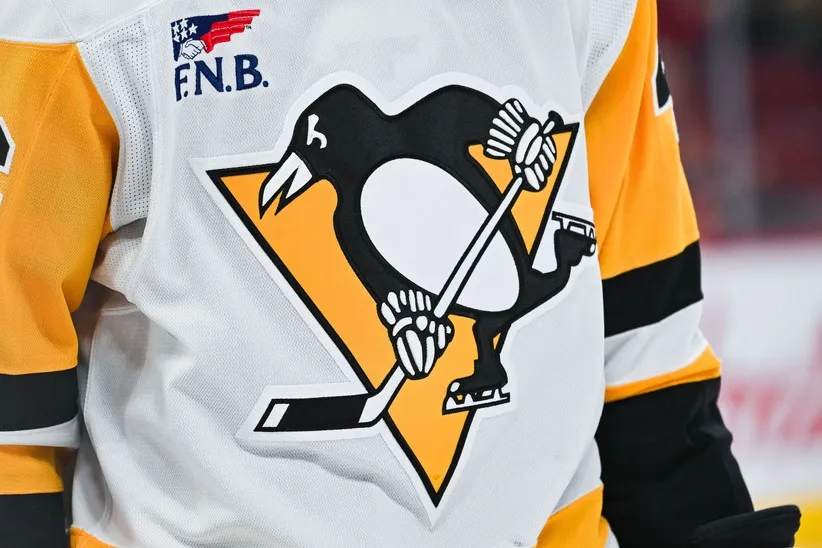
Pittsburgh Penguins Sold For a Reported $1.7 Billion

It feels like just yesterday that Fenway Sports Group rolled into the “Steel City,” promising to steward the Pittsburgh Penguins into a new era. Well, if you blinked, you might have missed it. After a tenure that lasted roughly as long as a standard high school experience, FSG is packing up and heading out.
According to multiple reports breaking on Wednesday, FSG has agreed to sell the franchise to the Chicago-based Hoffmann Family of Companies. The price tag? A cool $1.7 billion to $1.8 billion. Considering FSG bought the team for around $900 million back in 2021, that is a flip that would make any HGTV host weep with jealousy. They essentially doubled their money in four years while the team missed the playoffs in three of them. Not a bad day at the office for John Henry, even if the on-ice product has been tough to watch lately.
Who Are the New Owners Of the Penguins?
So, who is cutting the check? Enter the Hoffmann family. Led by billionaire David Hoffmann, this isn’t their first rodeo in the hockey world, though it is certainly their biggest. They already own the Florida Everblades of the ECHL, a minor league squad that has actually been wildly successful, rattling off three straight championships recently.
The Hoffmann portfolio is the definition of “diverse.” We’re talking aviation, agriculture, newspapers, and even a chocolate company. Penguins fans will be hoping that sweet touch translates to the ice, because the mood at PPG Paints Arena has been anything but sugary lately. The Hoffmanns have been sniffing around pro sports ownership for a while, having previously eyed huge investments in the NHL and NBA. Now, they’ve landed one of the league’s marquee franchises.
The Emotional Toll On the Fanbase
Let’s be honest: the vibe in Pittsburgh has been heavy. The Penguins have missed the postseason for three consecutive years—a sin in a city spoiled by the brilliance of Mario Lemieux and Sidney Crosby. Attendance has dipped, the sellout streak is a distant memory, and there is a genuine anxiety about what life looks like after the “Big Three” finally hang up their skates.
FSG’s tenure will likely be remembered as a transactional period—a bridge that didn’t really lead anywhere. For the fans in the stands, ownership isn’t just about balance sheets; it is about stewardship. The Lemieux ownership era felt personal because Super Mario is Pittsburgh hockey. The FSG era felt like a portfolio asset. The hope now is that the Hoffmann family brings a little more heart to the table.
What Happens Next For the Pittsburgh Penguins?
The deal still needs the rubber stamp from the NHL Board of Governors, but assuming that goes through, the real questions begin. What does this mean for GM Kyle Dubas? What does this mean for the final years of Sidney Crosby’s career?
New owners usually mean new energy, but they can also mean sweeping changes. The Penguins are currently sitting in a weird limbo, trying to rebuild while staying competitive for their aging captain. It is a tightrope walk that FSG seemed happy to step off of once the valuation hit the right number. Now, it’s up to the Hoffmanns to figure out if this team needs a fresh coat of paint or a complete teardown.