Billie Jean King Slams ‘Battle of the Sexes’ Reboot: Why the Legend is Right to be Mad

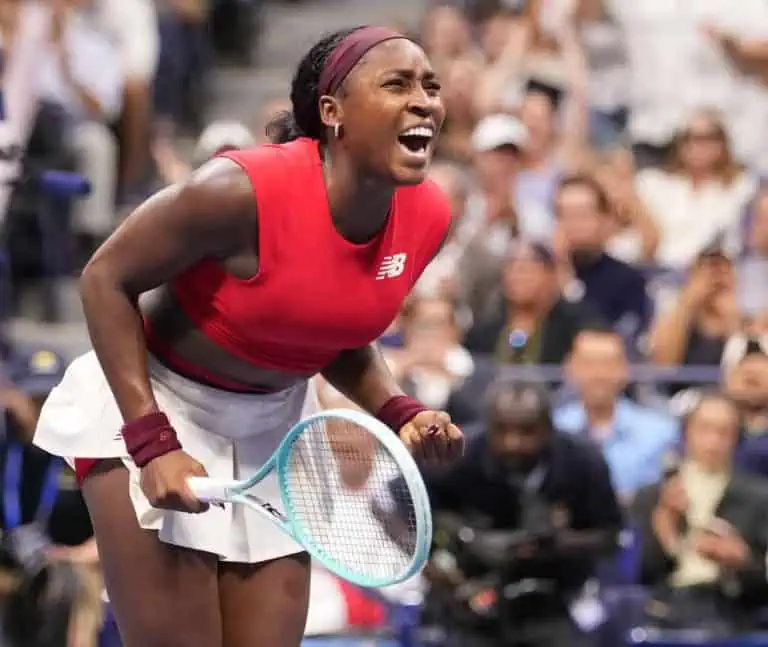
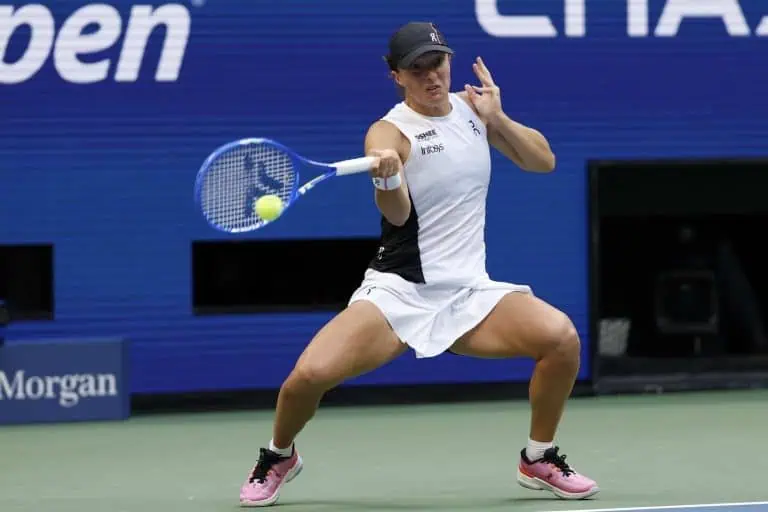
Let’s be honest, reboots rarely live up to the original. Whether it’s a lackluster movie sequel or a “modern reimagining” of a classic video game, the magic is usually lost in translation. Now, the tennis world is getting its own gritty reboot nobody really asked for, but we’re all inevitably going to watch. The upcoming “Battle of the Sexes” exhibition match between Nick Kyrgios and Aryna Sabalenka is set to go down in Dubai on December 28, and while the hype machine is in full swing, the original architect of the movement isn’t buying what they’re selling.
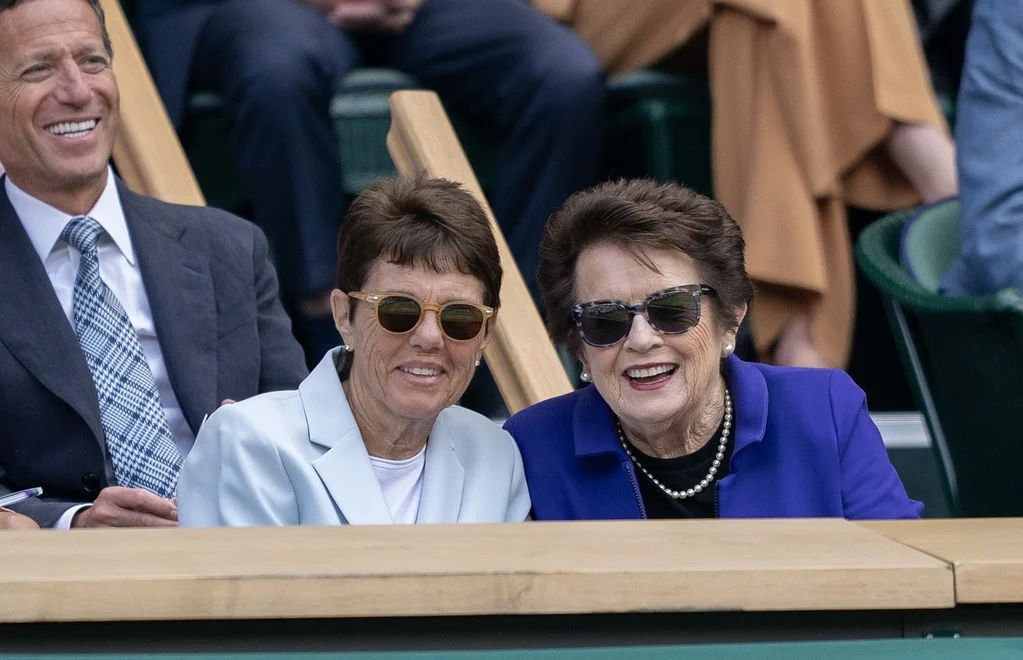
Billie Jean King, the absolute legend who legitimized women’s tennis globally, has come out swinging against the event. And honestly? She has a point. When you compare a watershed moment for human rights to a glorified exhibition match in Dubai featuring wacky rule changes, the math doesn’t quite add up.
The King of All Callouts
If you thought Billie Jean King was going to sit back and politely clap for this spectacle, you don’t know her history. The tennis icon recently sat down with the BBC and absolutely torched the comparison between her historic 1973 victory over Bobby Riggs and this upcoming Kyrgios–Sabalenka clash.
Her main gripe? Context. King didn’t play Riggs just for clicks or a massive paycheck; she played with the weight of an entire gender on her shoulders. “The only similarity is that one is a boy and one is a girl. That’s it,” King said, dismantling the marketing narrative in about five seconds. “Ours was about social change; culturally, where we were in 1973. This one is not.”
It’s hard to argue with her. In 1973, King was fighting for equal pay, the legitimacy of the WTA, and the passing of Title IX. She knew that if she lost to Riggs—a self-proclaimed male chauvinist pig—it would set women’s sports back decades. The pressure was suffocating. In contrast, the stakes for Sabalenka and Kyrgios involve… well, mostly pride and likely a very fat appearance fee.
Nerfing the Gameplay
Here is where the “gameplay mechanics” of this event get a little side-eyed. When King faced Riggs, she played him straight up. Three out of five sets, regulation court, no handicaps. She beat him fair and square.
The Dubai match, however, sounds more like a Mario Tennis mini-game than a serious contest. To level the playing field, the organizers are introducing a “smaller court” for Sabalenka based on movement data. Essentially, Kyrgios has to hit into a smaller target area, or Sabalenka has less ground to cover. Add in single-serve points and a deciding 10-point tie-break, and you’re looking at an arcade mode version of tennis.
King pointed this out specifically, noting, “I played on a court and didn’t change anything.” By altering the rules so drastically, the event admits upfront that it isn’t a true test of skill-for-skill, but rather a curated entertainment product. It’s fun, sure, but it’s not exactly a revolution.
Kyrgios and Sabalenka Clap Back
Naturally, Nick Kyrgios isn’t one to let criticism slide without an Instagram story or two. The bad boy of tennis—who, let’s keep it real, is pure box office gold—has been defending the event vigorously. When former pros like Rennae Stubbs and Steve Johnson questioned the necessity of the match, Kyrgios hit back, arguing that their negativity was just driving more engagement.
“We’re there to have fun and bring great tennis,” Sabalenka told the BBC, echoing Kyrgios’s sentiment. And look, they aren’t wrong. Tennis often takes itself too seriously, and seeing two of the biggest hitters on tour smash balls at each other will be entertaining. Sabalenka is a powerhouse, and Kyrgios is a wizard when he actually tries. Watching them interact will be pure content.
But framing it as a successor to King vs. Riggs? That’s where they lose the plot. Kyrgios argues it’s about bringing “new eyes” to the sport, which is valid, but you don’t need to co-opt a civil rights moment to sell tickets to an exhibition.
Why Context is King
We live in an era of content overload, where everything is branded as “historic” or “epic” to grab our attention for fifteen seconds. But King reminds us that some things actually were historic.
Her 1973 match had 90 million people watching because it was a proxy war for equality. It was political. It was rough. It meant something. This 2025 iteration is fundamentally different. It’s occurring in a completely different cultural landscape, free from the crushing societal expectations of the 70s.
Does that mean we shouldn’t watch? No. It’s going to be a blast. Seeing Kyrgios try to out-hit the WTA World No. 1 while navigating weird rule sets will be great internet fodder. But let’s respect the King and stop pretending this is anything more than high-budget entertainment. Grab the popcorn, enjoy the show, but maybe leave the history books on the shelf for this one.