Federal Antitrust Fight Ends as NASCAR Strikes Deal with Two Teams

The checkered flag has finally waved on the most contentious legal battle in modern stock car racing history. On a Thursday that began with the heavy atmosphere of a federal courtroom and ended with the quiet resolve of a compromise, a settlement has been reached. NASCAR, along with holdout teams 23XI Racing and Front Row Motorsports, have agreed to end the antitrust lawsuit that threatened to tear the fabric of the sport apart.
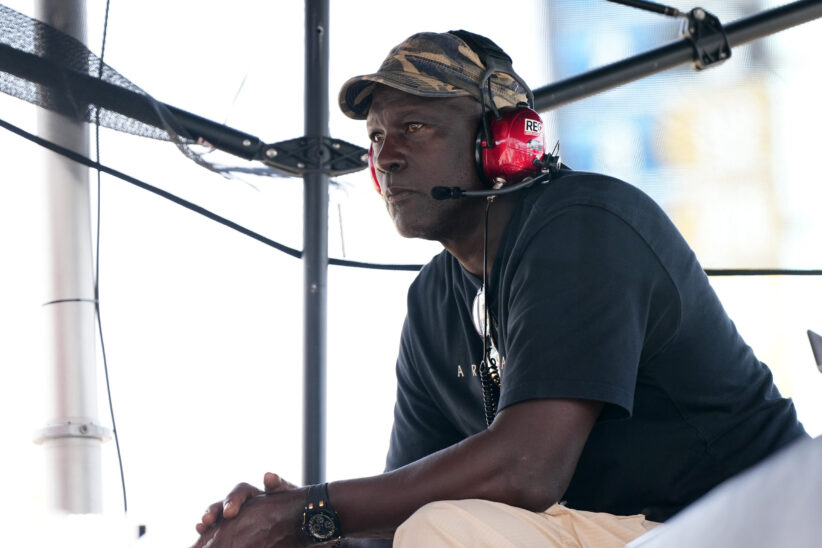
For nine days, the legal teams sparred, but it was the silence of a sidebar that signaled the end. This settlement closes a chapter that saw NBA legend Michael Jordan and veteran driver Denny Hamlin stand toe-to-toe with the France family dynasty, a conflict that forced the sport to look in the mirror regarding how it values its competitors.
The Tension Inside the Charlotte Courtroom
To understand the weight of this settlement, you have to look beyond the legal filings. Thursday morning in the federal court wasn’t just about motions and procedures; it was about the future of the garage. U.S. District Judge Kenneth Bell was prepared to hear arguments, but the air shifted when a sidebar was called.
For an hour, the room waited. In the high-stakes world of motorsport litigation, silence is usually where the real maneuvering happens. When Jeffrey Kessler, the heavyweight attorney representing the race teams, emerged from that conference room, the body language told the story. His words to the clerk “we’re ready “weren’t just procedural. They were the signal that the engines were being cut.
Watching Kessler lead Michael Jordan, Denny Hamlin, and Front Row owner Bob Jenkins out of the courtroom wasn’t just a legal procession. It was a visual representation of the gamble these NASCAR owners took. They walked away from the table in 2024, raced an entire season without the safety net of charters, and stood their ground until the very end.
A Season Raced on the Edge
It is impossible to overstate the risk 23XI and Front Row took to get to this settlement. When the initial charter agreement was presented in September 2024, 13 organizations signed. They took the deal NASCAR put on the table. Jordan and Jenkins did not.They spent the bulk of the 2025 season racing as “open” teams.
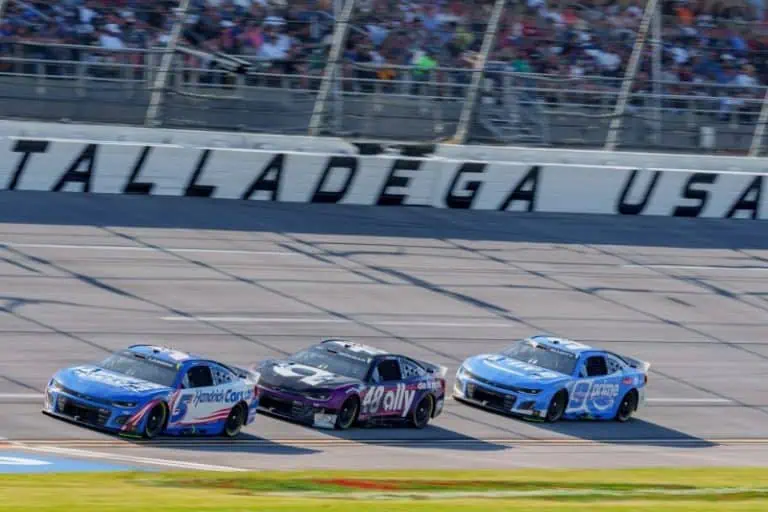
In NASCAR terms, that is living on the razor’s edge. Without a charter, you aren’t guaranteed a starting spot. You don’t get the same revenue share. You are essentially racing with one hand tied behind your back while trying to compete against powerhouses like Hendrick and Gibbs.
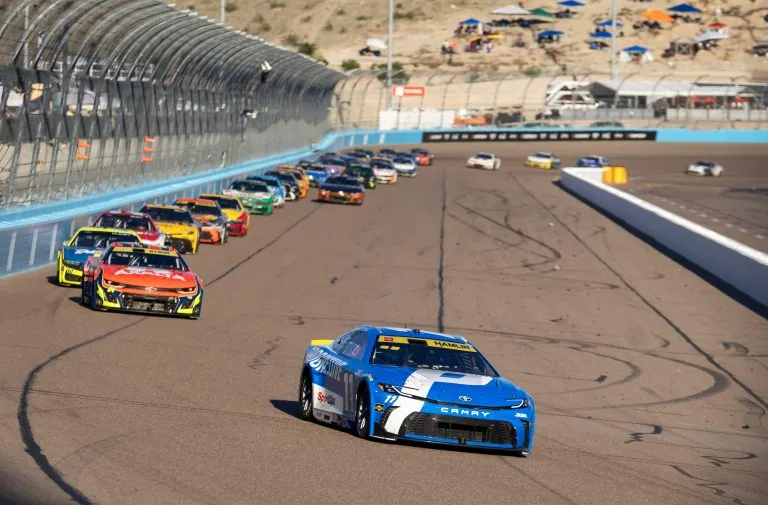
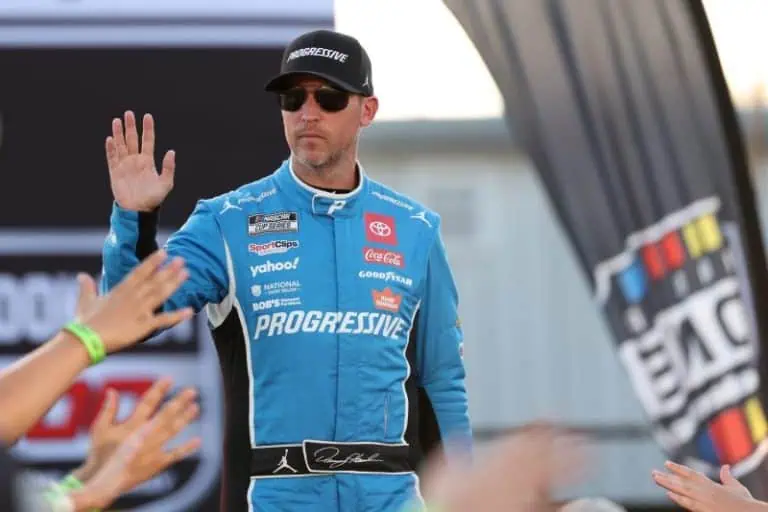
For Denny Hamlin, this had to be an agonizing year. Strapping into his No. 11 car every Sunday to drive, while knowing his own race team was locked in a federal lawsuit against the very sanctioning body he races for, requires a mental compartmentalization that few athletes possess. This settlement is likely more than just a legal resolution for him; it is a massive exhale.
The Legacy of the Lawsuit
Why did it come to this? Why push for a settlement rather than just signing the 112-page document back in 2024? It comes down to equity and permanence. The teams argued that the system was designed to keep them dependent, unable to build true franchise value like you see in the NFL or NBA.
By fighting, and eventually reaching this settlement, Jordan and Jenkins made a statement that the old ways of doing business in Daytona Beach were open to challenge. While details of the deal remain under wraps for now, the fact that a settlement exists proves that neither side wanted to see a jury determine the fate of stock car racing.
NASCAR avoids the potential catastrophe of a jury ruling that their business model violates antitrust laws. The teams avoid the financial bleed of a prolonged legal war and the uncertainty of an appeal process that could have dragged on for years.
Moving Forward After the Settlement
Now, the hard work of healing begins. The garage is a small ecosystem. Everyone knows everyone. Relationships have been frayed, words have been exchanged in depositions, and lines were drawn in the sand.
However, racers are pragmatic people. They want to compete. With this settlement signed, the focus can finally shift back to where it belongs: the race track. 23XI Racing and Front Row Motorsports can move forward with certainty regarding their business models. NASCAR can stop worrying about discovery documents and start worrying about the quality of the racing product.
Final Thoughts
For the fans, this is the best possible outcome. Nobody buys a ticket to watch a deposition. We buy tickets to see the best drivers in the world trade paint. With this legal cloud finally dissipating, the 2026 NASCAR season looks a lot brighter than it did just twenty-four hours ago. The gavel has fallen, and now, we can finally get back to racing.