AJ Lee’s Hidden Battle: The Fight Beyond the WWE Ring

AJ Lee, a trailblazer in WWE’s often-criticized Divas division, has pulled back the curtain on a struggle that was far more real than any scripted storyline. In a world where on-screen personas are meticulously crafted, she was fighting a silent, terrifying battle with bipolar disorder, a secret she guarded for fear of losing the very career she had scratched and clawed to build.
Hiding in Plain Sight: A Superstar’s Secret Struggle
Speaking with Stephanie McMahon on the “What’s Your Story?” podcast, AJ Lee spoke up. After a brief, unaffordable stint at NYU for film production, AJ Lee chose to pursue a pro wrestling career. Within two years on the indie circuit, she got the call from WWE to work there. Behind the scenes, AJ Lee was grappling with a bipolar diagnosis she received at 20.
“I didn’t have money for medicine, I didn’t have money for therapy, so I was just given this bomb, like ‘good luck,’” she recounted. Let that sink in. While fans saw a quirky, dynamic performer skipping her way to the ring, the real April Mendez was navigating a mental health minefield with no map and no resources. It was a secret she suffered through in silence, only truly tackling the disorder head-on after she retired in 2015.
The Danger of a Misdiagnosis
The path to getting help was anything but straightforward. Initially misdiagnosed with depression, AJ Lee was prescribed medication that, for someone with bipolar disorder, is like pouring gasoline on a fire.
It was only after stepping away from the ring and finding stability that she felt ready to speak out. Her 2017 autobiography, Crazy Is My Superpower, was a watershed moment, a deliberate choice to reclaim a narrative that had been hidden for so long. She knew it was a risk. “Even if I lost everything and no one ever wanted to hire me again,” she explained, “at least I could help make somebody feel less alone.”
A Call That Saved a Life
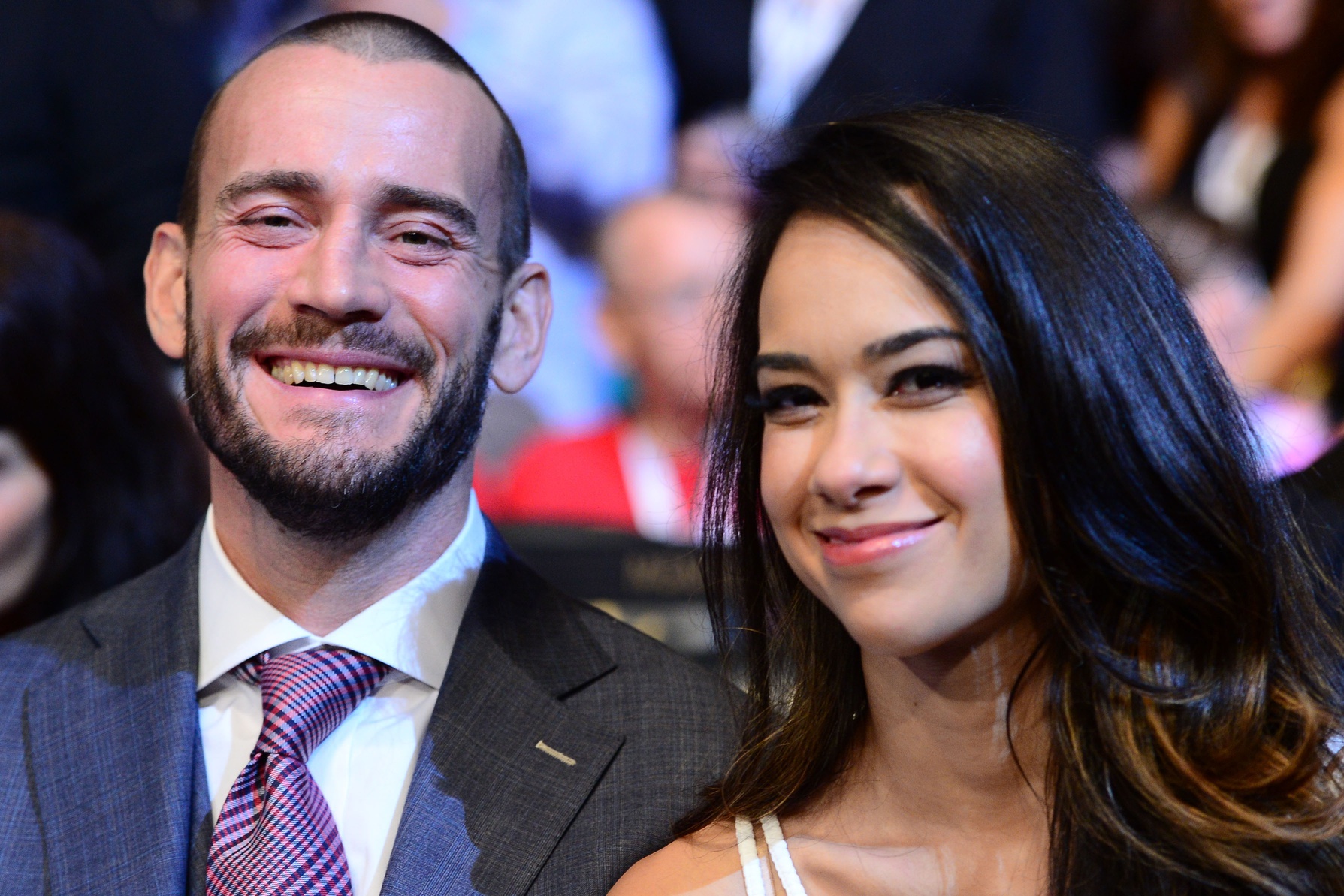
AJ Lee shared a harrowing story from after she left WWE. The perfect life on paper—a dream career, marriage to CM Punk—was crumbling under the weight of her illness. A tornado of life changes, including the many surgeries, along with CM Punk getting sued & fired on their wedding day, overwhelmed her.
She booked a hotel room, intent on ending her life. But a flicker of hope led her to call a suicide prevention hotline. In a twist of dark, cosmic humor, the call didn’t go as planned. Her out-of-state area code meant they couldn’t immediately route her to local emergency services. They gave her another number, which she didn’t write down. “That’s the sign I’m supposed to do this,” she thought.
But she tried again, this time dialing 311, the city’s non-emergency line, just to get the correct number. The man on the other end, a stranger whose job was to handle noise complaints, just listened. “I didn’t realize that it was the first time in a long, long time someone had shown me kindness,” she said, her voice filled with emotion. “I didn’t realize I just needed somebody to check in on me…this tiny, small act of kindness…literally saved my life.”
Final Thoughts
AJ Lee’s journey is a powerful and frankly necessary story for the wrestling world and beyond. It’s a stark reminder that the most brutal battles are often the ones we can’t see. While we were cheering for the Black Widow, a real person was fighting for her life. Her courage to speak out, to lay her vulnerabilities bare, has done more for mental health awareness than any scripted storyline ever could.