Real Madrid Are Closing In On A Record €1.25b Revenue As Their Financial Dominance Expands

Real Madrid marching into another season with a projected budget of €1.25b is not just accounting bravado. It is the product of years of institutional choices that married commercial ruthlessness with footballing ambition. This article explains how those decisions add up, why the figures matter, and whether the white shirt still deserves the “best run club in the world” tag.
Financial Muscle And The Numbers That Matter
Real Madrid closed the 2024/25 financial year with a set of accounts that underline a dramatic transformation in their income mix. The club officially published accounts showing improved liquidity and a modest net profit while highlighting ongoing investment in the Santiago Bernabéu project and a record turnover projection for 2025/26.
The club’s official statement confirms that the board approved the 2025/26 budget, which projects turnover at roughly €1.248b. Independent verification comes from Deloitte’s Football Money League which named Real Madrid the first club to surpass €1b in revenue in a single season.
That milestone did not come from one source alone. Higher commercial income, a step up in matchday receipts after the Bernabéu renovation, and continued success in European competition all combined to push them over the threshold. Deloitte’s analysis makes clear that these are structural revenue gains rather than one-off spikes.
Projecting a €1.25b budget for 2025/26 is bold but grounded. Reports from reputable outlets and Real Madrid-focused coverage note that the new Bernabéu is expected to generate a very large chunk of the projected income.
Media analysis suggests stadium-related income alone will be transformative. Conservative accounting would treat the Bernabéu cash flow as a multi-year play. The club appears to be monetizing that asset aggressively while keeping its on-field investment steady.
Governance Strategy And Commercial Execution
Real Madrid’s strength is not just cash flow. It is institutional continuity. The club has a long-standing leadership group and a board that has consistently prioritized marquee signings and stadium investment. That continuity is a double-edged sword.
Continuity breeds clarity in commercial negotiating and long-term stadium development. At the same time, it concentrates decision-making in a small group that must constantly justify itself to 100,000-plus club members.
Recent statements from the club and reporting indicate a move toward allowing outside investment for the first time. President Florentino Pérez and the board are exploring external capital to preserve and increase the club’s value while reducing reliance on debt.
That is a strategic shift for an institution that historically resisted the sale of equity. Allowing outside investors could widen commercial options and de-risk future stadium financing. Media coverage of this shift suggests management is trying to blend the benefits of deep balance sheet firepower with the traditional member-owned identity.
Commercial teams at Real Madrid have developed a clear playbook. They land premium partnerships, leverage a global fan base, and turn brand strength into recurring revenue. Winning on the pitch amplifies that effect. Recent seasons delivered trophies and global visibility, which converted directly into sponsorship renewals and new deals. The club’s ability to keep superstar-level talent on the roster while extracting revenue from their global brand is the result of years spent professionalizing every commercial channel.
Footballing Return On Investment And Sporting Risk
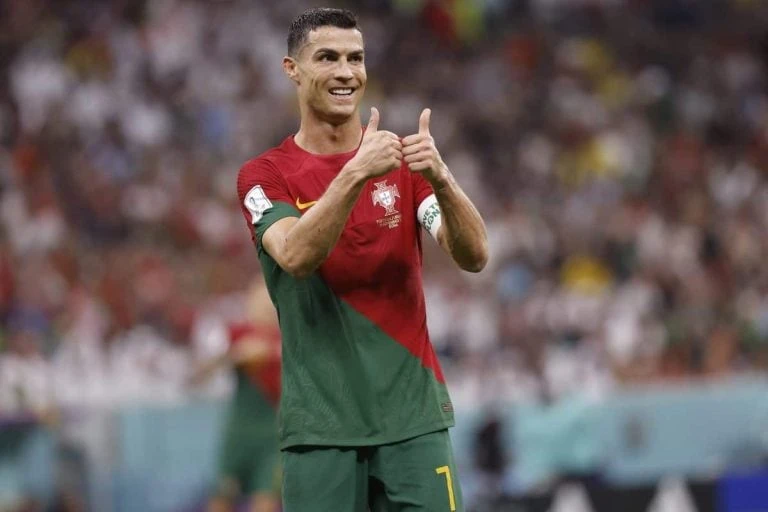
Money means nothing without smart deployment. Real Madrid has reinvested a large portion of those returns into squad upgrading and support structures. Current squad anchors include Jude Bellingham, Kylian Mbappe, and Vinícius Júnior, who remain central to the club’s sporting identity and marketability.
Both players are at Real Madrid as of today, and their presence reinforces why commercial partners pay a premium to be associated with the club. Relying on world-class players makes it easier to maintain high match-day and commercial income.
Risk is part of the model. A stadium’s heavy monetization strategy can backfire if match day or hospitality demand drops. Player contracts and transfer market inflation create recurring pressure to sustain top-line revenues.
Recent reports of contract tensions and transfer interest around key players show that sporting and commercial priorities sometimes collide. Staying the best run requires constant alignment between the sporting directors, the coaching staff, and the commercial operators.
One season of poor results or a failed broadcast negotiation could dent the carefully built momentum. A final footballing point stands clear. The club’s recent trophy haul amplified revenue in a way no marketing campaign could.
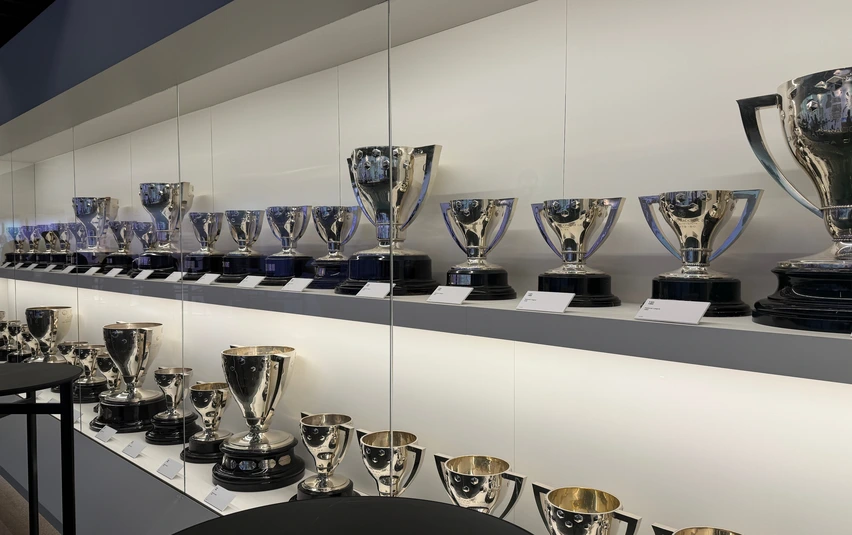
Winning the biggest competitions raises the price of broadcast and sponsorship deals and fills premium seats. Real Madrid has used sporting success to turbocharge commercial gains. Deloitte and independent press coverage both highlight that relationship between trophies and revenue growth.
Verdict Are They The Best Run Club In The World
Answering that requires nuance. Real Madrid sit at the intersection of elite sporting performance and commercial excellence. Their ability to translate stadium investment, global partnerships, and trophy wins into predictable revenue flows is unmatched in modern football. The official accounts, Deloitte’s Money League, and broad press coverage all demonstrate that Real Madrid have earned a level of financial sophistication that few clubs match.
Operationally, they tick many boxes of well-run organizations. Their finance team produces audited results with clearer liquidity positions. Their commercial machine secures high-value partnerships.
Their sporting strategy continues to attract elite talent. The club’s willingness to explore outside investment signals an adaptability that many national association-owned clubs lack. That adaptability could push them further ahead if executed thoughtfully.
There are rival claimants. Clubs with strong private backers, such as Paris Saint-Germain or Manchester City, operate with different advantages. PSG recently reported record revenue growth and significant sponsorship activity. Different models produce the same output in the short term.
Real Madrid’s claim to being the best-run club rests on a combination of commercial independence, consistent sporting success, and prudent asset monetization. On balance, they present a very strong case.
Final Thoughts
Labeling any club the best-run in the world is subjective. Real Madrid have built both scale and structure that make that claim credible on paper and in practice. Execution from here matters more than history. Decisions on outside investment and how they manage player contracts and stadium income will determine whether €1.25b remains a milestone or the baseline for something even bigger.